| OCR Text |
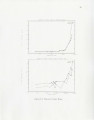
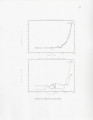
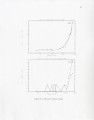
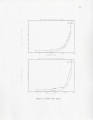
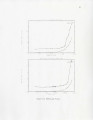
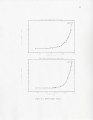
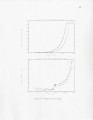
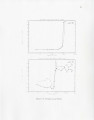
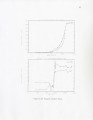
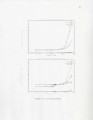
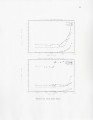
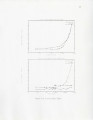
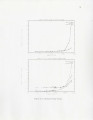
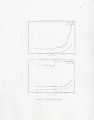
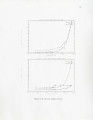
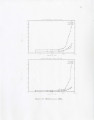
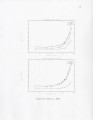
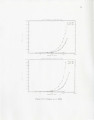
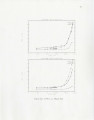
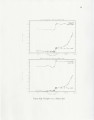
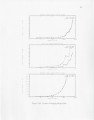
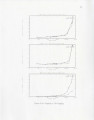
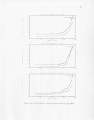
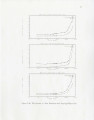
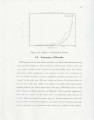
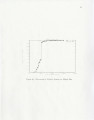
Show 5.5.1.4 ObServer: operations vs. nurnber of OIDs In this t<'st, the elapsed t inw for diffe rent oper<tt ions (create, load, and update) with vary ing number of OTDs in ObServer are compared. The comparison is clone 111 hoLh local and remote settings as can be sPen in Figure 5.17. It can be seen from the graph that the cn~ate time is greater than both the !odd n.nd 11pclate time. T his is to h<' <'Xpcctecl as create in vo lves a ll ocat ing space ror t lw ohject.s, <-l.ss ign ing OIDs, and creating the mapping tables . However, the cliffrrence becomes ve ry pronoun ced after 2000 objects and is most li kely clue to lack or performa nce tuning. 5.5. 1.5 ESM: operations vs. number of OIDs In th is test, t he elapsed t ime for di fferent operations (create, load, and update) wi t II varyill !S 1111 11\h('l or ()]])s ill F:Sl\11 arc compared. T h<' COillp<-triso \1 is doJW iu L)()LlJ loca.l and r<~·nwte sett ings as shown in Figu re fl. l8. !<rom Lbe graJJh, it is evident that both create and update times are worse than load t irne. It can be seen from thP graph t hat in remote case, the di fFe rence betwePn crt"a.te and update decreases. T'bis is because in tbe case of update, both t be befo re dnd aJter image a.re logged a.nd the logging system is distributed between t he client <1.11cl t hl' se rver. 5.5. 1.6 Postgres: operations vs. number of OIDs ln this test , the elapsed time for different operations (create, load, and update) with va.ryi ng 11 11 m bcr of 0 IDs in Postgres are compared. The compari son is clone Ill both local and remote' sett ings as can be seen in Figure 5.19. l'oc;tgrcs is il ·'JlO-O\I('rvv rit<'" sLO ld.l!;E' 11l211l<tger. ( :onseq tt f'nL!y, a ll updates are 111r1wrl into insert ions. lJpclate t im es a rc, t herefore, ex pected to be sim il ar to create t imes. T he ract t hat they a.re worse, ca.n be att ributed to the extra. overhead invol ved in managing both old a.ncl new tuples at the sa.me time. |