| OCR Text |
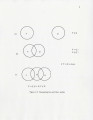
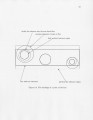
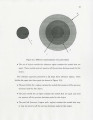
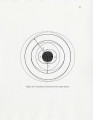
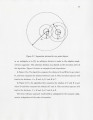
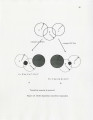
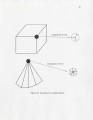
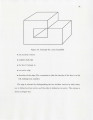
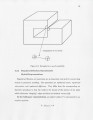
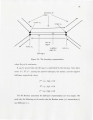
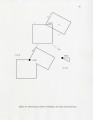
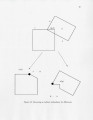
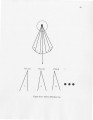
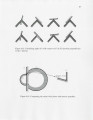
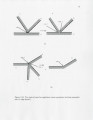
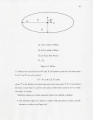
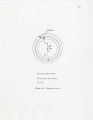
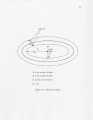
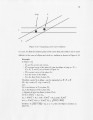
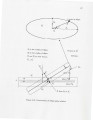
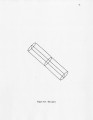
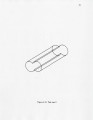
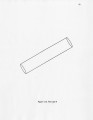
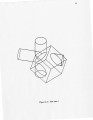
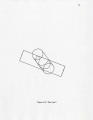
Show 23 For the adaptive-single-tolerance approach, the gecision n1ade is based only on the one-tolerance region P(c), whereas the tolerance approach presented in [5] needs to check the three regions P(c, J, ~). Obviously, the adaptive-single-tolerance approach will use less space and computation to execute. As has been proven above, the adaptive-single-tolerance approach preserves the same properties set as in [5]. Because of the differences in the definitions of the tolerance in the two methods, the decision-rnaking rules vary too. The following figures show the difference and the sirnilarity of the two approaches. Essentially the role of the tolerance region used in the adaptive-single-tolerance approach is the same as the c region used in [5]. In Figure 2.6, two points are rnerged using the rules in [5]. A and B representations will be rnerged into a single simple object C, which is a representation of one of their cornrnon analytic models. The new c and ~ regions of 0 are set to be the maxirnal regions of 0 inside the intersections of the c and ~ regions f A and B respectively. The new J region of C is set to be the n1inimal region of C enclosing the union of the J regions of A and B. Updating of the one dynamic tolerance used in the adaptive-single-tolerance approach is the same as the c region defined in [5]. The J regions of tolera~ce in the three-tolerance region approach are used to separate objects. According to [5], if the J regions do not intersect, the objects are apart, and the ~ regions are updated. If the J regions intersect, but the c regions do not intersect, as shown in Figure 2. 7, the two points are reported as arnbiguous according to the updating rules in [5]. However, for the adaptive-single-tolerance approach, since the c regions do not intersect, they are apart and need not be updated. Cornpared with the tolerance approach presented in [5], the adaptive-singletolerance approach is more relaxed for the following reason: Rather than detecting |