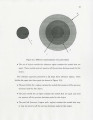
| OCR Text |
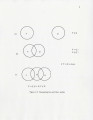
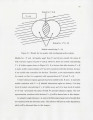
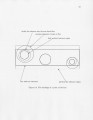
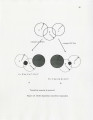
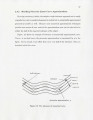
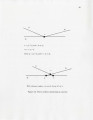
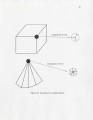
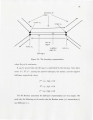
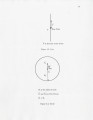
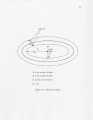
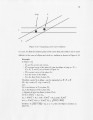
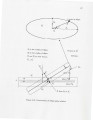
Show 21 region of A or C must be i~side the old c region of A which are already inside the c region of B from the relation A C B. Therefore C C B. 6. If B = Cis detected first, then obviously A C C because Band C have already been 1nerged when testing A C B. Now assun1e the relation of B and C is tested after the detection of A C B. From rule 2, B and C are merged and their c region has shrunk. This might make the c region of A no longer inside the c region of B or C, but because it is already know that A C B, according to rule 5, the tolerance regions of A should also be updated by the tolerance updating of B so that the relation A C B still holds. Therefore, A C C. 0 2.3 Comparison of Tolerance Approaches This tolerance approach is similar to previous tolerance approaches (5]. The adaptive-single-tolerance approach uses only one dynamic tolerance region as a bookkeeper instead of three tolerance regions that are used in the tolerance approach presented in (5]; therefore, it is simpler and more practical. 2.3.1 Comparing the Decision-Making Rules and the U pdatin,g Rules The adaptive-single-tolerance approach uses only one adaptive tolerance region to n1aintain consistency with the previous decisions. With this tolerance region, the space is divided into two parts (as shown in Figure 2.5). • The set of objects within the tolerance region contains the models that preserve all the previous decisions 1nade for this object. |