| Title |
William A. Wells, Salt Lake City, Utah: an interview by Becky B. Lloyd, January 28, 2003: Saving the legacy tape no. 626 |
| Alternative Title |
William A. Wells, Saving the legacy: an oral history of Utah's World War II veterans, ACCN 2070, American West Center, University of Utah |
| Creator |
Wells, William A., 1924-2014 |
| Contributor |
Lloyd, Becky B.; University of Utah. American West Center |
| Publisher |
Digitized by J. Willard Marriott Library, University of Utah |
| Date |
2003-01-28 |
| Date Digital |
2015-09-16 |
| Access Rights |
I acknowledge and agree that all information I obtain as a result of accessing any oral history provided by the University of Utah's Marriott Library shall be used only for historical or scholarly or academic research purposes, and not for commercial purposes. I understand that any other use of the materials is not authorized by the University of Utah and may exceed the scope of permission granted to the University of Utah by the interviewer or interviewee. I may request permission for other uses, in writing to Special Collections at the Marriott Library, which the University of Utah may choose grant, in its sole discretion. I agree to defend, indemnify and hold the University of Utah and its Marriott Library harmless for and against any actions or claims that relate to my improper use of materials provided by the University of Utah. |
| Spatial Coverage |
France; Belgium; Germany; Luxembourg; Salt Lake City, Salt Lake County, Utah, United States |
| Subject |
Wells, William A., 1924-2014--Interviews; World War, 1939-1945--Personal narratives, American; Veterans--Utah--Biography; World War, 1939-1945--Military operations, American; World War, 1939-1945--Campaigns--Europe, Northern--Personal narratives, American; Ardennes, Battle of the, 1944-1945--Personal narratives, American |
| Keywords |
Cooks; Artillery; Battle of the Bulge; Siegried line |
| Description |
Transcript (26 pages) of an interview by Becky B. Lloyd with William A. Wells on January 28, 2003. This is from tape number 626 in the "Saving the Legacy Oral History Project |
| Collection Number and Name |
Accn2070, Saving the Legacy oral history project, 2001-2010 |
| Abstract |
Wells (b. 1924) talks about his childhood in Salt Lake City, Utah. He was drafted into the army in December 1942 and was sent to cooks and bakers school at Fort Bragg, North Carolina. He later trained in the aviation cadet program, but was sent to Europe attached to the 87th Infantry Division, 334th Field Artillery Battalion. His service locations included France, Belgium, Germany, and Luxembourg. He gives his impressions of the Battle of the Bulge and combat on the Siegfried Line. 26 pages. |
| Type |
Text |
| Genre |
oral histories (literary works) |
| Format |
application/pdf |
| Extent |
26 pages |
| Language |
eng |
| Rights |
 |
| Scanning Technician |
Mazi Rakhsha |
| Conversion Specifications |
Original scanned with Kirtas 2400 and saved as 400 ppi uncompressed TIFF. PDF generated by Adobe Acrobat Pro X for CONTENTdm display |
| ARK |
ark:/87278/s6dj7dxg |
| Topic |
Personal narratives--American; Veterans; World War (1939-1945); Ardennes, Battle of the (1944-1945) |
| Setname |
uum_slohp |
| ID |
1022856 |
| Reference URL |
https://collections.lib.utah.edu/ark:/87278/s6dj7dxg |
| Title |
Page 11 |
| Format |
application/pdf |
| Setname |
uum_slohp |
| ID |
1022839 |
| OCR Text |
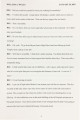
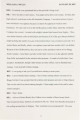
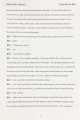
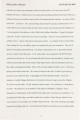
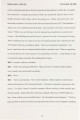
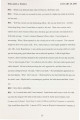
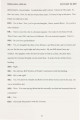
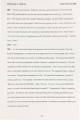
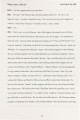
Show WILLIAM A. WELL J R 28,2003 with this one howitzer. We fired day and night. The Germans never knew when th y were going to have a round coming in. Of course the Army moved on. Everybody else moved. So, as I recall now, after a couple of days, the Germans in that castle started to get a little on the hungry side. They started to roam around and our infantry company took them. That ended my work at Metz. So then we went on into the Saar basin. The primary city there is Saarbrucken. That was in the area of the Siegfried Line. At this time, which was December of '44, the Germans had put together five or six hundred thousand soldiers and created the army that was then going to push in the area called the Bulge, up in the Luxembourg-Belgium area. If you remember the movie, "Patton", there's a scene where the three or four Army commanders are arguing about what they're going to do about this problem. Montgomery says he can transfer some troops in a week, so they argue around a little bit and finally, Patton says, "I can have three divisions there in forty-eight hours." My division (87th ID) was one of those. They pulled us pretty far back to the area of Reims, France. Then they sent us into the Bulge area. If you remember, that's where the lOlst Airborne Division was stuck in the City ofBastogne and the German commander demanded that they surrender. General McAllufe's answer was, "Nuts!" So we were then sent into that area. It's kind of mixed in my mind at this point because we were all over the place. One significant thing to bear in mind here is that this is the Ardennes Forest. It's rather a large, massive forest. One major mistake the Germans made was we had about 85,000 troops in this area facing 500,000 or 600,000 Germans. Even the three divisions transferred in from Patton's Army would add only, maybe, 45,000 men. But the German made a serious mistake. There were no freeways going through the Ardennes. Actually, there were only three possible forest routes 10 |
| Reference URL |
https://collections.lib.utah.edu/ark:/87278/s6dj7dxg/1022839 |