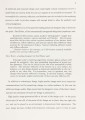
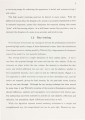
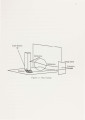
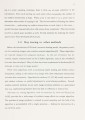
| OCR Text |
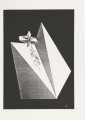
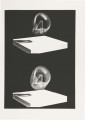
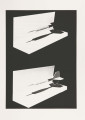
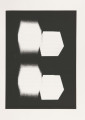
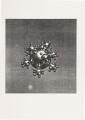
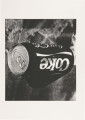
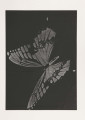
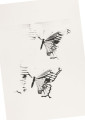
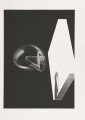
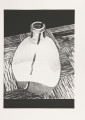
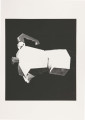
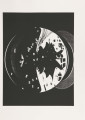
Show 63 Coke can A1odel by Robert Mecklenburg. 1 The texture maps for the can were taken from a digitized carton. After digitizing, the textures were enhanced, positioned and colorized with the Utah Raster Toolkit. The marble table was digitized from Brodatz[4]. Computation time was 12 hours. Butterfly Model by John W. Peterson. The texture maps for the wings were taken from "separation" drawings, composited and colorized with the Raster Toolkit. The background was cornposited later. The leaf textures were just green squares with a blurred dark edges, when mapped onto the surface they form a distinctive shape. The wings are actually modeled with square surfaces, an alpha mask is used to cut out the shape. Rendering time is approximately 30 hours. Flying butterflies A1odel by John Peterson, animation by Glenn McAfinn. The two butterfly images are taken from a 12-second animated sequence, and corn-posited together over a single background. The wings are motion-blurred. The sequence required 60 days of CPU time (approximately five hours per frame). Although the model itself is quite simple, the motion blur and texture require substantial super-sampling. Moving logo Afodel by Rich Riesenfeld, animation by Glenn A1cMinn and Rod Boga7'i. This is taken from a short animated sequence of the moving logo. The computation time was about 20 hours per frame. Whiskey bottle A1odd by Jim Cobb. This is an example of a refractive surface. The ripples are a side effect of the polygonal representation used by PRT being magnified by the refraction of the bottle (the subdivison produces about 10,000 polygons). The image took approximately seven days to compute. 1 During the production of a videotape on Alpha_!, a scene was shot comparing this image to a real coke can on a real marble table. The director of the video insisted on showing the image with the border visable, so the audience could tell the two apart. |