| OCR Text |
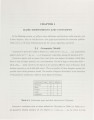
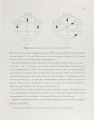
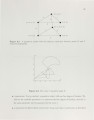
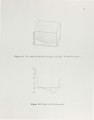
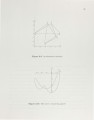
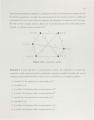
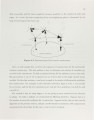
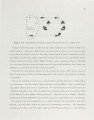
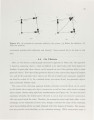
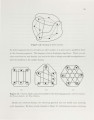
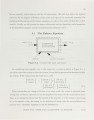
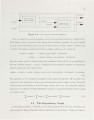
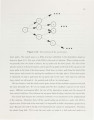
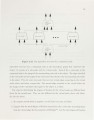
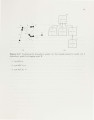
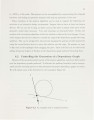
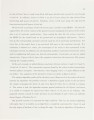
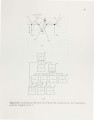
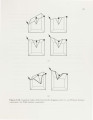
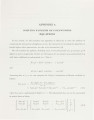
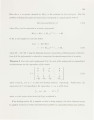
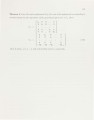
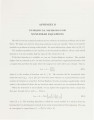
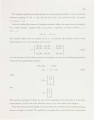
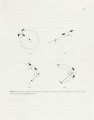
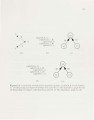
Show APPENDIX C ALTERNATIVE DERIVATION We will describe an alternative derivation of a more restrictive version of the d gr sof- freedom analysis algorithm from a geometrical point of view (see also [2 , 27]). Th algorithm will be derived for 2-D constraint networks consisting of points and a r pertoir of constraints on points. The types of constraint supported here are chosen to be compatible with the types of constraint predicates used in the symbolic geometric constraint solver, described in [7]. • pos(A, x) : The position of point A by a symbolic expression X· • dist(A,B, 6): The distance between points A and B is defined by o. • slope(A,B, a): The slope of the line through A and B is determined by an angle a. • vector(A,B, v): Point B is offset from point A by a vector v. • angle(A,B,C, B): The angle between line AB and line BC is e. C.l The Degrees of Freedom of a Single Constraint A point that is constrained by one of the above constraints has a degree of freedom determined by the type of constraint and the degrees of freedom of the other points constrained by the same constraint. For example, two points constrained by a distance constraint. If we fix the position of one point, then the other point has one degree of freedom and can move along a circle. If we give the first point one degree of freedom, then the degree of freedom of the other point is the Cartesian product of the two individual degrees of freedom , resulting in two degrees of freedom. |