| Title |
Interviews with Japanese in Utah: Okada brothers |
| Alternative Title |
Toru and Jim Okada: interview of August 18, 1984 |
| Creator |
Okada, Toru, 1919- ; Okada, Tetsu, 1926-2010; Okada, Kenge; Okada, Junior, 1929-1994 |
| Contributor |
Fuller, Sandra T., 1945- ; Kelen, Leslie G., 1949- |
| Publisher |
Digitized by J. Willard Marriott Library, University of Utah |
| Date |
1984-08-18 |
| Date Digital |
2014-05-07 |
| Access Rights |
I acknowledge and agree that all information I obtain as a result of accessing any oral history provided by the University of Utah's Marriott Library shall be used only for historical or scholarly or academic research purposes, and not for commercial purposes. I understand that any other use of the materials is not authorized by the University of Utah and may exceed the scope of permission granted to the University of Utah by the interviewer or interviewee. I may request permission for other uses, in writing to Special Collections at the Marriott Library, which the University of Utah may choose grant, in its sole discretion. I agree to defend, indemnify and hold the University of Utah and its Marriott Library harmless for and against any actions or claims that relate to my improper use of materials provided by the University of Utah. |
| Spatial Coverage |
Honeyville, Box Elder County, Utah, United States, http://sws.geonames.org/5776087/ ; Deweyville, Box Elder County, Utah, United States, http://sws.geonames.org/5773850/ ; Tremonton, Box Elder County, Utah, United States, http://sws.geonames.org/5783768/ ; Hawaii, United States, http://sws.geonames.org/5855797/ ; California, United States, http://sws.geonames.org/5332921/ |
| Subject |
Okada, Toru, 1919- --Interviews; Okada, Tetsu, 1926-2010--Interviews; Okada, Kenge, 1922- --Interviews;; Okada, Junior, 1929-1994--Interviews; Japanese Americans--Utah--Interviews; Japanese American farmers; Utah--Ethnic relations; World War, 1939-1945--Participation, Japanese American; Buddhists--Utah; Arranged marriages |
| Description |
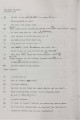
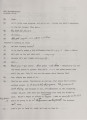
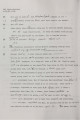
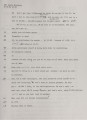
Transcript (typescript, 118 pages) of an interview by Sandra Fuller and Leslie Kelen with brothers Toru ("Beb"), Tetsu, Kenge and "Junior" Okada, Japanese-Americans living in Utah in 1984. In the transcript, Toru is called "1man," Kenge is "2Man," Junior is "3Man," and Tetsu is "4man." An unidentified woman, probably a wife, joined the conversation.The Okado brothers (b. 1919 to 1929) talk about the families of their mother and father in Japan, relocation to Hawaii, coming to Utah and raising sugar beets, and land ownership policies in the U. S. Other topics covered include picture brides, the Depression, civilian life during World War II, farming, and Japanese American organizations |
| Type |
Text |
| Genre |
oral histories (literary works) |
| Format |
application/pdf |
| Language |
eng |
| Rights |
 |
| Relation |
http://archiveswest.orbiscascade.org/ark:/80444/xv45901 |
| Scanning Technician |
Matt Wilkinson |
| Conversion Specifications |
Original scanned with Kirtas 2400 and saved as 400 ppi uncompressed TIFF. PDF generated by Adobe Acrobat Pro 9 for CONTENTdm display |
| ARK |
ark:/87278/s6x93v1x |
| Topic |
Japanese Americans; Japanese American farmers |
| Relation is Part of |
Mitsugi M. Kasai Memorial Japanese American Archive |
| Setname |
uum_ijau |
| ID |
901478 |
| Reference URL |
https://collections.lib.utah.edu/ark:/87278/s6x93v1x |
| Title |
Page 14 |
| Format |
application/pdf |
| Setname |
uum_ijau |
| ID |
901374 |
| OCR Text |
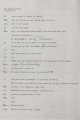
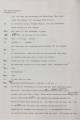
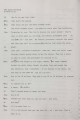
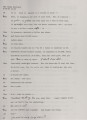
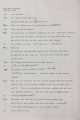
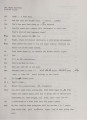
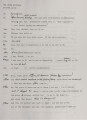
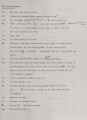
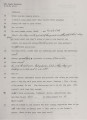
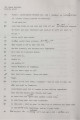
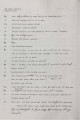
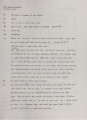
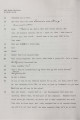
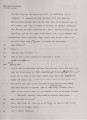
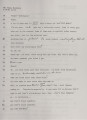
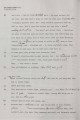
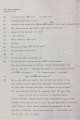
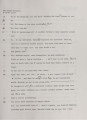
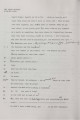
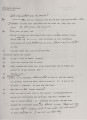
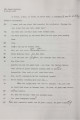
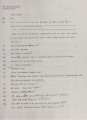
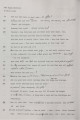
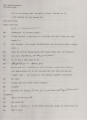
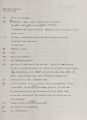
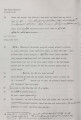
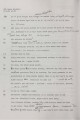
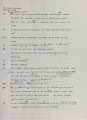
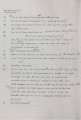
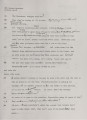
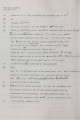
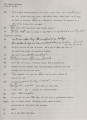
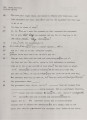
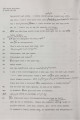
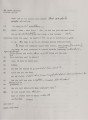
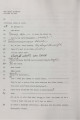
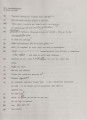
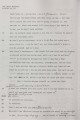
Show OHI Okada Brothers 8-18-84 sl:l3 LK 3Man LK 3Man ~Man LK 3Man ThatW)uldbe the spokesmen. And -and it was one of those things that came up through the -the bringing up process of the Oriental people from Japan. The custom. Was stillcarried on over here. And - of course, it - there'd be gratuities and th~7s involvedin that. Gifts •• Well, there'd be money or gifts. Or whatever. Labor or whatever theycould do. And -when he'd ask for some help, they'd go help him. And stuff like that. But -but in a way it's good· 6~; those are theones that knew what was was going on. Yeah. -fi,. 6o ~ J>eop/e. So it was a must for both people. It was a mustA- but the person up here wouldbenefit the most, of course . . ~ t.x.clck'L. . . ~~ () /) ~:._ ;I.~!J ,,4 ,-44 L1.ke A understand1.ng -~ CM /;r.K ..f:/111">'\._Jtu~ • ~ . · . . . rJ O,.frr/·c rl. f/.1'.4.5' Yeah. And so - you couldn't -~~ ~n a Caucasian becuase the Caucasians were against them - you know. Some were against them. But the people that wasn't against them wouldbe the people inthe same boat as they were. The lower echelons. Andso, so there was no tr~s.t. You know, becuase they came from Hawaii and they had no trust. And they learned not to trust)becuase they'd been ripped off so many times by the time they got over here. And so1 naturally, when they got somebody who knew what was going on in the system - how it worked ~re, they relied m them. And that's the way it worked. And so - So, you got these levels. And- the levels get coming over here1 too becuase of the customs and-- |
| Reference URL |
https://collections.lib.utah.edu/ark:/87278/s6x93v1x/901374 |