| Title |
Interviews with Japanese in Utah: MItsugi Kasai |
| Alternative Title |
MItsugi Kasai: interview on August 30, 1984 |
| Creator |
Kasai, Mitsugi, 1918-2013 |
| Contributor |
Kelen, Leslie G., 1949- |
| Publisher |
Digitized by J. Willard Marriott Library, University of Utah |
| Date |
1984-08-30 |
| Date Digital |
2014-05-07 |
| Access Rights |
I acknowledge and agree that all information I obtain as a result of accessing any oral history provided by the University of Utah's Marriott Library shall be used only for historical or scholarly or academic research purposes, and not for commercial purposes. I understand that any other use of the materials is not authorized by the University of Utah and may exceed the scope of permission granted to the University of Utah by the interviewer or interviewee. I may request permission for other uses, in writing to Special Collections at the Marriott Library, which the University of Utah may choose grant, in its sole discretion. I agree to defend, indemnify and hold the University of Utah and its Marriott Library harmless for and against any actions or claims that relate to my improper use of materials provided by the University of Utah. |
| Spatial Coverage |
Utah, United States, http://sws.geonames.org/5549030/ ; South Korea, http://sws.geonames.org/1835841/ ; Japan, http://sws.geonames.org/1861060/ |
| Subject |
Kasai, Mitsugi, 1918-2013--Interviews; Japanese Americans--Utah--Interviews; Japanese American soldiers; United States--Armed Forces--Japanese Americans; Military intelligence; Utah--Ethnic relations |
| Description |
Transcript (typescript, 164 pages) of an interview with Mitsugi Kasai, a Japanese-American living in Utah in 1984. Mr. Kasai (b. 1918) recalls his early life on an Idaho farm during the Great Depression. He also reminisces about his life-long career in military intelligence, including being stationed in post-war Japan and wartime Korea |
| Type |
Text |
| Genre |
oral histories (literary works) |
| Format |
application/pdf |
| Language |
eng |
| Rights |
 |
| Relation |
http://archiveswest.orbiscascade.org/ark:/80444/xv45901 |
| Scanning Technician |
Matt Wilkinson |
| Conversion Specifications |
Original scanned with Kirtas 2400 and saved as 400 ppi uncompressed TIFF. PDF generated by Adobe Acrobat Pro 9 for CONTENTdm display |
| ARK |
ark:/87278/s6321crx |
| Topic |
Japanese Americans; Japanese American soldiers; Military intelligence |
| Relation is Part of |
Mitsugi M. Kasai Memorial Japanese American Archive |
| Setname |
uum_ijau |
| ID |
900802 |
| Reference URL |
https://collections.lib.utah.edu/ark:/87278/s6321crx |
| Title |
Page 82 |
| Format |
application/pdf |
| Setname |
uum_ijau |
| ID |
900718 |
| OCR Text |
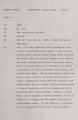
Show MK LK MK LK MK LK MK LK having a monetary redress? Or monetary compensation? Well, it's a tangible thing. Money in itself is not important but it becomes very symbolic. An apology doesn't mean anything if it's not backed up with something more meaningful and monetary compensation is meaningful. Very meaningful. Anybody can say I'm sorry and get away with it. But it doesn't mean much. You got to hit them hard. So you're saying kind of put it where your mouth is. If you're defame another person's character, you're not going to say, I'm sorry and get away with it. You're going to be sued. Hard. If you violate, try to violate, you're not going to go into court and say, I'm sorry. They're going to be· fined. This is where redress makes sense then. Oh, yeah, you betcha, believe it. It's so easy to say, I'm sorry. It's not going to mean too much. The redress, the internment and putting people in camps, and it happens again, then you hit them hard with monetary compensation they're going to think twice. What's happened to you though? In the last year? To make you commit so much time to this? Because I'm dedicated to this movement of redress. But why, why this year? What happened this year 81 |
| Reference URL |
https://collections.lib.utah.edu/ark:/87278/s6321crx/900718 |