| OCR Text |
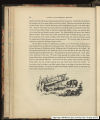
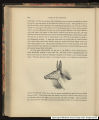
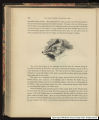
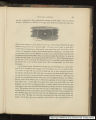
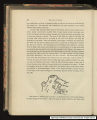
Show THE MANDANS----HUNTING-CABRI PARKS. 385 often killed in a short time. Plate XXXI. gives a clear idea of this chase. On these hunting excursions the Indians often spend eight or ten days; generally they return on foot, while the horses are laden with the spoil. The buffaloes are usually shot with arrows, the hunters riding within ten or twelve paces of them. If it is very cold, and the buffaloes keep at a distance in the prairie (which happened in the winter of 1833-34), they hunt but little, and would rather suffer hunger, or live only on maize and beans, than use any exertion ; and when, towards spring, many drowned buffaloes float down the river with the ice, the Indians swim or leap with great dexterity over the flakes of ice, draw the animals to land, and eat the half putrid flesh, without manifesting any signs of disgust. It is remarkable how instantly their famished dogs know and take advantage of the hunting excursions of their masters. When the horses return laden with the spoils of the chase, the children in the village utter a cry of joy, of which the dogs seem perfectly to understand the import, for they simultaneously set up a loud howl, run towards the prairie, the scene of the chase, and partake, with their relations, the wolves, what the hunters have left behind. When a hunter has killed an animal, he generally eats the liver, the kidneys, and the marrow of the large thigh bones, raw. If an Indian has procured some game he usually shares it with others. The entrails and skin always belong to the person who shot the animal. If an eminent man, who has performed some exploit, comes up when the animal has been just killed, and demands the tongue, or some other good part, it cannot be refused him. Dogs are not employed in hunting by the Mandans and Manitaries. They shoot deer and elks in the forests, antelopes and bighorns in the prairies, the Black Hills, and the neighbouring mountains. They make parks, as they are called, to catch antelopes, but not buffaloes. Brackenridge says, that the Indians drive the antelopes into the water and kill them with clubs; but this can only have happened in isolated cases, when some accident gave them the opportunity. The Manitaries make these cabri parks more frequently than the Mandans. They choose a valley, between two hills, which ends in a steep declivity. On the summit of the hills, two converging lines, one or two miles in length, are marked out with brushwood. Below the declivity they erect a kind of fence, fifteen or twenty paces in length, composed of poles, covered and filled up with hay and brushwood. A number of horsemen then drive the cabris between the ends of the lines marked out by the brushwood, which are very distant from each other, and ride rapidly towards them. The terrified animals hasten down the hollow, and at length leap into the enclosure, where they are killed with clubs, or taken alive. There are not many bears in this country; and the Indians are not fond of hunting them, because it is often dangerous, and the flesh, when roasted, is not very good. Brackenridge is mistaken when he says, that these Indians always shout before they enter the forest, in order to frighten the bears. If they did so they would, at the same time, frighten all other kinds of animals, and we see at once, from this statement, that that traveller was no sportsman. 3d |