| OCR Text |
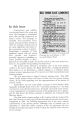
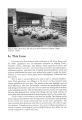
Show Prize fat lambs, April 1917, Salt Lake Live Stock Commission Company. Shipler Collection, USHS. In This Issue From the time of permanent white settlement in the Great Basin until the 1950s, agriculture was the dominant enterprise in shaping Utah's economy, values, landscape, and identity. Early agricultural needs and practices dictated water law, land ownership procedures and philosophies, settlement patterns, and much else. Farming also held profound social and religious implications for many early settlers who sought to make the desert blossom as a rose and in whose legacy most contemporary Utahns still take great pride. Due in part to natural phenomena and in part to cultural considerations, Utah agriculture was different at the outset and has retained some unique qualities to this very day. The articles in this issue highlight many of those differences. The first, for example, analyzes the introduction of cattle and sheep to the territory and notes several subde but lasting effects of those early migration patterns. The second article features a look at fox and mink farming and demonstrates, among other things, that the Utah tradition of innovation and experimentation in agriculture has lasted to the present day. Cache Valley is the setting for our final two articles. One focuses on the pioneering period and illustrates the importance of persistence and optimism in the creation of a strong commercial base for the area's agriculture. The other proceeds from that point and offers a specific look at the valley's sugar beet industry. Complementary analyses, they go far in illuminating those essential economic, technological, and sociological factors that define the historical traditions of a region and state. |