| OCR Text |
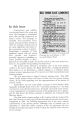
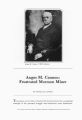
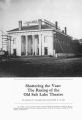
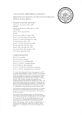
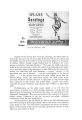
Show n i l HORSE RACE GAMBUNG! Hone mcing means gambling. Gantbling mean* dtstrca*. torrow and h«utacne. To get rid of one you mu*t 60 •way with the other. Every community that Ka« Had race meeta and the gambhng that goes with them, reports an increase in vice and crime during and following the r«cMc MMon. Race track gambling fosters and enoouragea gmmbling of other types Busineaa suffer* aitd the morals o( the community become corrupted. Bov* and girk partake of the vicious influence and are led into waywardness and sin. Let us free Utah from this evil. There is only one way to do ^ais and that is to REPEAL THE RACING LAW. Amendmanl* will do no good. KILL HORSE RACE GAM _BL11*1 : Front page box in the February 7, 1927, issue of the Deseret News. In this issue Controversies and conflicts run through history like warp and woof. Our attempts to understand them often provide perspective on today's events. The campaign to establish state-controlled horse racing and pari-mutuel betting in 1925, for example, elicited some of the same arguments one hears today concerning a state-run lottery. Surprisingly, a majority of Utah legislators agreed with the racing bill's sponsor, and Utahns - generally opposed to gambling on moral grounds - began to place legal bets at racetracks in July. As the first article in this issue points out, however, the gamble with gambling was short-lived. The second article presents a revisionist view of the worst Indian conflict in the state's history, the Black Hawk War. Traditional histories often depict it as an aberration, a violent reaction to a relatively minor frontier incident, ignoring years of Ute unrest over white encroachment and broken promises. The next piece looks at Angus Cannon's mining career. This LDS church leader poured money and years of effort into his various mining claims, all the while agonizing over the appropriateness of his pursuit of mineral wealth. Ambivalence was one of the milder reactions to Fawn Brodie's 1945 biography of Joseph Smith. Given her "naturalistic perspective," the book was bound to create heated controversy. Ironicafly, the fourth article asserts, a more comprehensive and balanced study of the prophet has yet to appear, and No Man Knows My History continues to influence the writing of early Mormon history. The final article returns readers to the twenties and the razing of the Salt Lake Theatre, an early and well-documented preservation controversy. Completed in 1862, the building represented one of the great cultural achievements of the pioneer period. Although cries of outrage over its demolition in 1928 have faded, mention of the old playhouse still stirs feelings of nostalgia and regret in older Utahns that replicas of the structure do not assuage. |