| OCR Text |
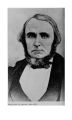
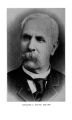
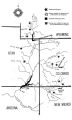
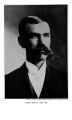
Show AH INVITATION Colorado in Spanish means red. Father Escalante in seeking a short route from Mexico to Monterey in California crossed a wild and turbulent stream which had, over the centuries, cut a deep gorge across a high plateau. The water, heavily laden with silt, was reddish in color. That was nearly two hundred years ago. For a hundred years after the white man's first recorded crossing, the river was master over man. The fantastic terrain through which the river flows made it difficult to cross, and its wild and violent seasonal fluctuations made it impossible to control and use. Late in the nineteenth century, the white man attempted small diversions along the lower reaches of the river. Near the beginning of the twentieth century a bold attempt was made to divert water from this mighty stream on to the vast desert lands in the Imperial Valley of California. During the same period numerous attempts were made to divert water locally along the main stream and its many tributaries. None of these were large nor wholly successful. The river, some 1400 miles long and draining one-twelfth of the United States, was still its own master and at will, during periods of high flow, washed out the simple, crude works built to control it. GEORGE D. CLYDE The picture of Governor Clyde is from an oil portrait by Everett C. Thorpe, which hangs in the Board Room of the State Capitol and illustrates the governor as a builder and engineer concerned with the development of Utah's natural resources. 196 UTAH HISTORICAL QUARTERLY By the end of the first quarter of the twentieth century, it became evident that if the mighty resource of the Colorado River were to be made available to man, it must be controlled. The high spring floods must be put in storage for use during the periods of low flow. The Colorado River drains all or parts of seven states and Mexico. The United States, Mexico, and each of the states of Colorado, Utah, New Mexico, Wyoming, Nevada, Arizona, and California had a vital interest in its development because in this area, the Pacific Southwest, water is the limiting factor to economic development, and even if all the water in the Colorado River were utilized consumptively, there would not be enough to meet all needs. As early as 1916 a master plan for the total development of the Colorado began to evolve. By 1922 a compact between the United States and the seven Colorado Basin States was agreed upon, and a later treaty between the United States and Mexico was consummated. The compacts divided the waters of the river between the Upper and Lower Basins of the Colorado with the dividing line located at Lee's Ferry. The treaty specified the amount of water to which Mexico was entitled. The master plan proposed a total consumptive use of the waters of the Colorado for domestic, agricultural and industrial purposes, and for such nonconsumptive purposes as power, navigation, recreation, and wildlife as could be developed in harmony with the major uses. The plan included control of floods, storage, regulation, and conveyance to points of use. It provided for the capture and conversion of the energies of falling water into electrical energy and its sale to help pay the costs of construction. It was a bold plan and nothing like it on a similar scale had ever before been attempted. The first unit of the comprehensive development of the Colorado was the Hoover Dam started in 1928 and completed in 1935. The construction of this dam placed the mighty Colorado from Boulder Canyon, the damsite, to the sea under the control of man. Other dams below Hoover (Parker, Davis, Imperial, and Morelos) followed in succession. The river above Hoover Dam was still wild, unruly, and uncontrolled. Twenty-one years after the completion of Hoover Dam, the Congress of the United States authorized the Upper Colorado River Storage Project and Participating Projects, initial phase. This project includes the construction of four storage dams, many power plants, and several participating projects. At the present time, three dams, two power plants, and two participating projects are under construction. It is estimated that it will require forty years to complete the initial phase of construction. AN INVITATION 197 The final phase of the Upper Colorado River Storage Project and Participating Projects will include all remaining projects necessary to fully control and utilize the waters of the Colorado. When complete, no waters from the Colorado will be wasted into the sea. The ultimate development will no doubt include the conversion of sea water to supply the lands within reach and the transfer of rights to the natural flow of the river upstream to insure maximum use of the water resource. The plan for the development of the Colorado, which is now under way, is unique in all the world. In size, in cost, in difficulty, and in potential, it exceeds anything man has yet attempted. It will make possible ultimate use of the land, water, power, minerals, scenic, recreation, and other resources of this area. The articles which follow tell the history of the discovery and man's increasing acquaintance with the Colorado Basin and define and bring into focus the detail and plan of development of this unique and great resource - the Colorado River. A greater acquaintance with the scenic and economic potential, both through a perusal of the literature and by personal visits to this vast and colorful region, is a rewarding experience which I heartily recommend. GEORGE D. CLYDE Governor, State of Utah |