| OCR Text |
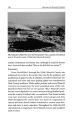
Show WORLD WAR II D«es pite the New Deal efforts, complete relief from the Great Depression did not come untd the United States entered World War II. With a war economy, industries expanded and created more jobs. But the war was more than simply ending the depression; most Americans saw it as an all-out fight to save their country and their freedoms. While the government drafted men to fight, it asked all Americans-men, women, and chddren-to make sacrifices to fight for victory. As Clarence Cutland, superintendent of the Wasatch County School District, explained, "In these fateful days . . . we stand ready to make every sacrifice for the defense of our country against Axis aggression."1 The war also brought rationing of essentials such as food, gasoline, and clothing. Americans were encouraged to spend money to buy bonds and support the war effort by contributing money. Though on the surface Americans seemed willing to make any sacrifice to win the war, the federal government established agencies to convince citizens that the war was necessary and to enforce its restrictions. President Franklin D. Roosevelt created the Office of War 194 WORLD WAR II 195 Information (OWI) in June 1942 which used the printed and radio media to articulate American values and goals for those at home and abroad. The Office of Civilian Defense (OCD) boosted citizens' morale and instructed them in civil defense programs. To deal with shortages and price controls, the government formed the War Production Board (WPB) and the Office of Price Administration and Civilian Supply, later the Office of Price Administration (OPA). These agencies enforced the "sacrifices." The government warned Americans that rubber, sugar, gasoline, and other commodities were in short supply and asked people to conserve. But simply asking for voluntary control was not enough. To get the citizens to actuady cut back on their use of these items, the government established a complex rationing system. The OPA administered the government rationing programs, supervising 5,500 rationing boards nationwide. Most of the boards used volunteers, but the bureaucratic demands became so complex that the OPA also had more than 60,000 full-time employees. It became, as one history explains, "everyone's favorite wartime scapegoat," and tales of OPA inefficiencies made instant folklore. For example, the OPA office in Philadelphia had to close down because it did not allocate enough fuel for itself.2 Utah benefited from the war in several ways. The federal government opened military installations and new industries such as Geneva Steel in Utah County. With an increased demand for agricultural products, farmers prospered. The war also brought a shift in the population as people from rural areas moved to urban settings to take advantage of the new employment opportunities. More people came into the area, bringing new ideas, religions, and beliefs. These expanded the state's residents' horizons but brought more of the problems of the outside world. World War II made it impossible for Utah to return to its rural past. For Wasatch County, World War II meant the end of the Depression. But it also meant an all-out war effort. Residents supported the war by sending their sons and daughters to war, by working in war industries, and by sacrificing through rationing and war-bond programs. New industries were springing up outside the county, and some residents migrated, looking for better opportuni- 196 HISTORY OF WASATCH COUNTY Heber City Main Street, January 1941. (Utah State Historical Society) ties. Wasatch County later became a bedroom community for such wartime industries as Geneva Steel in Utah County. Service Personnel Young men from Wasatch County responded to the military needs of the country. Because of the war in Europe and the fear that the United States might have to be involved, every male eighteen years and older registered with the draft board during the fall of 1940. The first draft took place in November that year, and Wasatch County's quota was one man. Curtis Robbins went into the mditary, supposedly for only one year. Townspeople, the business community, friends, and the high school band gave Robbins a grand sendoff.3 On 12 December 1941, just five days after Pearl Harbor, the local newspaper opined that a "heavy quota of selective service men wdl be called." Two months later ten men from the county had reported to Fort Douglas in Salt Lake City for physicals; three returned after having failed their physicals. A week later the paper reported the WORLD WAR II 197 names of 772 men who had already registered with the county draft board. By then the military had inducted fifty-five and twenty-five had enlisted. Captain J. J. Summerhays of the state selective service headquarters visited Heber and met with the county draft board. He "severely criticized the leniency of the local board regarding the classification of registrants and emphaticady stated that the law and rules as set down must be adhered to regardless of sympathetic plans and petitions filed in defense of any qualified candidate for deferment." In April 1942 the Wave listed all the men registered with the local draft board and gave the order in which they would be drafted. Then each issue of the paper listed the men who were going to war.4 Local residents supported all the men leaving for war. When the first group went to have physicals, a women's club gave each man a box of candy. Wallsburg and Midway held dances "in honor of ad the boys of the county who leave in the near future for the US service." In April 1944 the Wallsburg reporter wrote, "A dance was held Saturday evening in honor of Lemond Givens who is leaving in the near future for the US Army." The LDS seminary sent newsletters and picture books of Wasatch County to encourage the servicemen.5 With reports from the army's public relations department, the newspaper kept residents abreast of what was happening to the area's servicemen. Sometimes the news was pleasant; for example, Roy D. Moulton, a Heber City airman, received many awards for his flying. Other times the information was routine-such as that Joe Lloyd was building bridges in Italy. Often, however, there were tragedies. The paper recounted that the Germans had taken a former Charleston man, Private Ferris Casper, prisoner. Lawrence Dee Clayburn of Wallsburg was wounded in France. John R. Bell, a Heber flier, was reported missing and then killed over France. The mditary returned Max K. Bell, the only surviving son of LaPreal Bed McKnight, to the States after one brother died and another was reported missing in action. As the war ended, the selective service column that once had listed the men leaving for the war changed to a column listing discharges. Farewed parties changed to homecomings.6 How Beautiful Upon the Mountains, by William James Mortimer, lists the county men who served in the military during World War II. 198 HISTORY OF WASATCH COUNTY Twenty-two county men lost their lives in the war: seven died in the Pacific, twelve died in Europe, and three died in the United States.7 Town Heber Midway Charleston Daniel Center Creek/ Lake Creek Wallsburg Keetley Army 341 61 36 34 21 39 14 Navy 111 35 21 16 8 14 Marines 10 10 1 5 1 3 Army, Navy, Marine, or Air Corps 54 12 10 13 2 13 A few county women also served in the military. For them the newspaper ran a short article instead of just listing their names. The military wanted more women to volunteer. In May 1944 recruiters from the four women's services came to Heber on a statewide drive "to delay as long as possible the induction of fathers and heads of families in Utah, to keep ready essential agricultural workers on the farms, and essential industrial workers in their plants."8 There was not a rush to volunteer after the visit, however. Home Front Most Wasatch County residents stayed at home and waited anxiously for news of the war from afar. But whde the Wave was full of war news, little dealt directly with the county. But the newspaper reflected the effect the war had on the residents. They were concerned about family members and friends who were gone, but in many respects life went on much the same as before the war, particularly for those who did not have family members in the war. James W Carlde's journal from the war years, for example, did not even mention the war other than three mentions of rationing and of a few men leaving to fight and letters received from them. During the war, the high school continued to produce plays and play sports. In March 1944 the big news was that the Wasatch Wasps won their first state basketball championship. The newspaper carried several articles praising the team. The next year the Wasps won the basketball cham- WORLD WAR II 199 pionship again, but by then the community expected success and the newspaper coverage was not as extensive.9 In 1941 the high school debate team, band, and state livestock judging team won regional and state honors. But the war curtailed some of these activities. In 1943 the local board canceled a music festival in Heber because Jordan, Granite, and Davis school districts could not attend. Instead the Wasatch High band went to a regional conference in Orem. Opinions were split as to whether there should be a county fair in 1942; some thought it was a good educational tool; others felt that it would be too much celebration. When no one could come to a decision, the Wave complained that no one seemed to care, adding, "In the present emergency it is unpatriotic and unwise to sit back and not participate in decisions of this kind." The next year Wasatch County officials decided that a fair provided education.10 War Support Those on the home front waited for letters from loved ones and read about the war in the newspapers. The articles included weekly features such as "Town and Farm" and "Farm War News" on how to conserve. At Christmastime, the Wave editorialized about what the war meant to the county. For example, in 1942 the paper declared: "Christmas this year comes to a confused world. The false prophets who guide the destinies of dictator nations have brought untold suffering to a sorely tried humanity." The towns were smad enough that residents could "clearly [see] the suffering caused by war," yet, the paper continued, "the spirit of neighborly love and devotion has eased many a saddened heart . . . when the road ahead seemed impossible."11 A year later the paper declared, "Whde it is true that the columns of this paper since last Christmas have been dominated by the efforts of the war lords . . . we know that the peace loving 'little' men of goodwdl far outnumber the evil."12 The federal government and local organizations provided ways residents could help the war effort. Schools were recruited to provide assistance. Before the United States entered the war, the Red Cross used the Midway school during the summer of 1941 to prepare materials for British relief. During the war, the Red Cross used the domes- 200 HISTORY OF WASATCH COUNTY tic science rooms at the high school to make bandages. Schoolchildren were heavdy recruited for the Junior Red Cross.13 Just before the United States entered the war, Congress approved money for the State Board of Vocational Education. Ten days later, Utah set up its Vocational Education for National Defense. The Wasatch County School Board offered defense classes in wood- and metalwork at the high school under this program before the nation entered the war but canceled them when only five boys enrolled. Later the board helped sponsor auto mechanics and welding classes at the CCC camp. The newspaper congratulated a woman who graduated from the welding course and encouraged other women to sign up since there were jobs available for trained workers. The high school also sent a busload of students to the Central Utah Vocational School in Provo, and twenty-four students completed courses in welding, blacksmithing, airplane mechanics, and electricity. In May 1942 the Wave carried an appeal for mechanics to help construct the steel plant in Orem and do farmwork in Utah County. "With the country at war, every available worker of both sexes will be needed for agricultural work. Transportation and housing for this employment will be furnished.... Chaperons wdl be placed over each group of girls leaving any community for work in this area." In July 1943 the Woods Cross pea-canning factory urged women and men over sixteen to apply for jobs, offering higher wages than the year before.14 The school board helped in other ways. Just after the U.S. entered the war, the state school board asked high school students to budd fifty model airplanes for the government. Aviation was stid relatively new, and models helped the mditary determine how planes would fly. The local board supported the plan. Superintendent Cutland even saw the school lunch program as being part of the war effort because it kept the children alert. He wrote, "For more than 300 years Americans have fought and died for these freedoms" and during these same years the schools had praised "heroic deeds that have made America 'the land of the brave and home of the free.'" A month later Wasatch County teachers were told, "If we are to remain a free people we must defend our ideas and go ad out for the American way of life. There is no freedom without the resultant responsibdities and if the flag of freedom is to be kept flying each one of us must do his WORLD WAR II 201_ bit for the preservation of the nation against the insidious foes that are aligned against it." Midway's grade school helped "depict the role [the students] playfed] in the nation's defense" by presenting a radio show on station KOVO. A girls choir sang patriotic songs such as "We're on our Way to Victory," and two students gave talks on how they could be involved in the nation's defense.15 Wasatch County women also encouraged each other to support the war effort. In January 1942 the Shakespearean Club, a women's book club, read This Above All, called "the first great novel to come out of the war." The club's reporter told the Wave: "All women will have to help in civic responsibilities whether they want to or not. Women cannot spurn service nor do we wish it. Women have always had to serve since the beginning of time and they wdl continue to do so." A year later the club's reporter asked, "Have you registered for defense?" She continued that defense was more than "soldiering [shouldering] a musket or training for air raids or such. Air raids may never come to us, if we live right, according to the Savior's plan. We have been promised protection here in the mountains, but an ad out defense means everything-how you conserve on food, clothing, tires, fuel, practically everything that touches our lives." Norma Smith, the Farm Security Administrator for Utah and Wasatch counties, explained, "A farm woman who makes over an old dress or turns out the living room lamp when it isn't needed is making a contribution to America's victory program." The county school district sponsored a "ladies' gym class" Wednesday afternoons. According to a newspaper article, "At this time it is every patriotic citizen's duty to build and maintain the highest degree in physical fitness." Since homemakers took care of their families, they needed to exercise and the gym class would help.16 Men who remained at home expressed support of the war effort. The first week in January 1942, just after the United States entered the war, the 4,000 Lions Clubs throughout the country asked the members to support the war campaign. The Heber Lions Club met at the CCC camp and discussed the need to "preserve our heritage as a free people. The Heber men sent telegraphs to Utah's governor and the president of the United States "pledgfing] our full cooperation . . . that every effort will be made and complete victory wdl be ours 202 HISTORY OF WASATCH COUNTY in this war against the forces of oppression and enslavement." The next month two Wasatch County farmers, Nephi Probst and Fred Price, took part in a "radio program . . . to show how Wasatch County farmers are adjusting to meet the changed conditions brought on by war and indicate some of the things they can do to help win the war and establish a lasting peace."17 The government suggested ways that men, women, and chddren in Wasatch County could help fight the war from home. These included buying bonds, supporting rationing efforts, and providing salvage materials. A Wasatch County miner summarized these efforts in a letter to a sador. "Though we are too old to shoulder a musket, we can stdl drdl a round of holes and gouge out the lead you need; we can get along without things we did not think possible, we can write you a letter; we can give to the Red Cross 'til it hurts; we can produce even in that back lot if need be, the foodstuff necessary."18 Rationing At first, the government asked Americans to cut back voluntar-dy. The initial shortage was rubber. The war blocked off access to the usual sources of rubber, and the mditary needed ad that was avadable for combat. While the search for synthetic rubber went on, Americans conserved the national supply. In March 1942 Leon Henderson, director of the Civdian Supply and Price Administration, reported that defense workers would have to use "reclaimed tires" whde "ordinary citizens" would have to do without. The government set up a county rationing board in Heber in February 1942 to fill requests for tires.19 The Wasatch Wave praised and condemned the efforts of Wasatch County residents in July 1942: "Citizens in Heber and Wasatch County we feel sure are making every effort to do their part in this drive since we believe that they realize that a shortage of rubber is considered the main reason for the threatened rationing of gasoline." The article concluded, "Remember a busted hot water bottle can help win the war."20 But eventually rationing rubber was not sufficient, and gasoline limitations had to be adopted to curtafl travel. In September 1942 the federal government initiated nationwide controls. The OPA established procedures for registration, catalogued drivers, and instituted WORLD WAR II 203 Sawmill located on the outskirts of Heber City, January 1941. (Utah State Historical Society) rationing by November. Those driving for "pleasure" had an A sticker that entitled them to three to five gadons a week. The highest priority sticker, an E for emergency, was assigned to policemen, clergymen, and politicians. Those claiming special needs such as farmers, defense workers, health workers, or unavoidable commuting responsibilities received B or C coupons.21 Sugar was the first food rationed. The rationale for the restriction was that the military used sugar in making alcohol which was then used to make gunpowder. The war in the Pacific cut off sugar from the Philippines and reduced the amount of Hawaiian sugar being produced. In May 1942 the Wave reported, "Next week your Uncle Samuel is registering all his relatives for sugar rationing purposes." Wasatch residents, like those throughout the state, went to schools to register.22 The government asked Americans to voluntarily cut the use of other goods such as meat. In November 1942 the Wasatch newspa- 204 HISTORY OF WASATCH COUNTY World War II posters encouraged Americans to buy bonds, use ration stamps, plant gardens, and salvage cans, metals, and other materials. per encouraged cooperation by playing on feelings of gudt: "What if you don't stay within the limits? What is the penalty? Answer that to your own conscience. The war is a united effort. If you do not share the responsibility, you will be endangering the health, welfare and possibly even the lives of our own armed forces or those of our allies. Surely somewhere among them there is a friend or relative of your own." Eventuady the government rationed other foods. As with gasoline and sugar, residents knew beforehand what was to be rationed. WORLD WAR II 205 In February 1943 one Heber resident explained, "Ma [his wife] was up town shopping getting a little canned stuff on hand before the ration starts."23 Once rationing began, the government controlled the sale of food items such as meat and canned goods by issuing two ration books for each person (regardless of age) per month. One had forty-eight blue coupons for canned goods and the other contained sixty-four red coupons for meat, fish, and dairy products per month. Published schedules in 1945 show the complex system: for canned foods "stamps C2 through G2 good through April 28. Stamps H2 through M2 good through June 2, and stamps N2 through S2 good through June 30. Stamps T2 through X2 good through July 31." Different meats, fruits, and vegetables carried different point values depending on their abundance. For example, in March 1943 a can of applesauce took ten points; a year later it required twenty-five points. During the same year, grapefruit juice dropped from twenty-three points to four. In May 1943 round steak was so scarce it required more points than porterhouse or sirloin. Spareribs, brains, and tongues were plentiful and required fewer points. The next year, consumers could purchase hamburger and pork where they were avati-able without any ration stamps, but the government stdl controded the purchase of steaks, roasts, butter, margarine, cheese, and evaporated milk. As the meat supply increased during the spring of 1943, OPA issued fewer meat "red" points, but shortages a year later produced more restrictions on meats. Some canned goods became plentiful, but the rules were still complex; for example, a newspaper article explained, "The reduction in the blue point value of tomato juice and vegetable juice combinations applies only to the 24 ounce can. The value of this can is reduced from 20 to 10 points."24 County officials declared that accepting rationing and using the stamps correctly was a patriotic duty. When meat rationing became mandatory in June 1943, the Wasatch County meat committee declared, "Our first aim . . . is to regulate the meat program in such a way that no sador, soldier or marine wdl have to do without the meat he needs to keep him fit and strong simply because someone in Wasatch County didn't do his part." The Wave continued to carry articles about rationing. Almost all the articles came from wire ser- 206 HISTORY OF WASATCH COUNTY vices and were not about Wasatch County. The government asked residents to support the ration-board members and their decisions. An article in the Wave asked that when the board turned down requests that the citizens "make the best of it in a spirit of patriotism and cooperation. Do not be resentful with your friend and neighbor of the rationing board. He is serving his country and without pay to assist in the general plan of civdian defense." There were black markets, but few people talked about them. Not collecting stamps for home-produced goods sold or exchanging stamps with neighbors was technically breaking the law, but few Americans remember that. A rare hint in Wasatch County was when Nephi Probst said that farmers selling butter also had to collect rationing stamps.25 War Drives Wasatch County residents, like other Americans, supported the war effort by contributing to drives. At the beginning of the war, the Red Cross asked Americans to donate books. Edna Montgomery, the chair for the Wasatch County book drive, carefudy pointed out that the Red Cross did not want old textbooks, encyclopedias, congressional records, or books that "wdl in anyway tear down morale." She encouraged nonfiction, especially Berlin Diary, Inside Asia, and You Can't Do Business with Hitler. In two weeks county residents collected more than 500 books: the CCC camp gave over 300; schools gave 200. The county drive was so successful that L. M. Kirkpatrick, the director of the Utah division of the Victory Book Campaign, wrote to Montgomery, "Heber City should be proud of the way they have responded to the Victory Book campaign. After losing your library a year or so ago, to give so generously is certainly a mark of real patriotism." When the campaign ended in March 1942 he wrote again, "Wasatch County has contributed the most per capita of the whole state."26 Residents did not always meet the federal government's expectations. For example, throughout the early part of the war the government asked Americans to turn in scrap metal. The appeals started as early as January 1942. Anderson Implement Store in Heber offered to collect iron until there was enough to take to a smelter. In April city officials and the LDS church staged clean-up efforts and encour- WORLD WAR II 207 aged residents to give any old metal they found to the war effort. The city asked all businesses to close one morning so the employees could participate in the clean-up. It was not enough. In May 1942 the War Production Association maded a form letter to all Wasatch County residents. The Wave asked all citizens to return the attached card listing the scrap metal they had. The article concluded, "Because the scrap metal and rubber on your premises is badly needed for the production of war materials, will you kindly attend to this matter at once?" To encourage more people to turn in metal, the government set quotas for the states. The state committees then divided these up by county and community. These quotas provided opportunities for friendly competition. In June the Wave reported that Heber City and the surrounding area needed to collect more metal to keep up with the rest of the state.27 The county committee made special appeals to get people involved. The local "Salvage for Victory" committee told women they would help local soldiers in budding "bombs for Berlin." "An increasing number of boys from this city are already seeing active service. We on the home front must see to it that industry does not lack the materials needed for adequately arming and equipping them." It was hoped that "true to feminine tradition in this war Wasatch women will play a leading role in the campaign" for scrap metal. In October the local board promised the LDS wards money for the scrap they collected and then added an emotional appeal: "Your neglect may cost some brave boy's life. Do your part! Get in your scrap!"28 The articles also carried practical advice. The board asked housewives to go through their houses and examine pots, knives, bed-springs, chairs, and wire clothes hangers. It also asked farmers to double-check their equipment and give what they were not using. Everyone was asked to look along the side of the roads for metal. When it looked like the county would not make its quota, the Wave exclaimed, "Our Nation is facing a crisis in its war production program. Unless we immediately salvage at least 6 midion tons of scrap iron and steel and great additional quantities of rubber and other materials, we are not going to meet our production quotas, and our boys and our Allies are not going to get the materials they need in time.... The situation is serious.... Your help is needed now." When 208 HISTORY OF WASATCH COUNTY the drive ended, Wasatch County was still short. Although residents had turned in 232 tons of scrap, the county had not gone "over the top." Wasatch was seventh out of twenty-six counties in per capita scrap codection, however. The salvage efforts continued throughout the war. In Aprd 1944 the Wave explained, "Salvage collection is one way we can assist in bringing this conflict to an end. Let us all do our part on the homefront."29 Federal Bonds Rationing limited goods and using salvage materials could not pay for the entire war. It cost large sums of money for the government to build ships and airplanes, underwrite its Allies, and arm, train, and maintain its troops. The federal government imposed a 5 percent surcharge on all income taxes. But taxes paid for less than half the cost of the war. One way to raise money was to ask the citizens to "invest" in America by buying bonds, of which the government sold seven types. Corporations purchased Series C tax notes or two types of treasury bonds that paid 2 or 2.5 percent interest depending on when they matured. Individuals bought Saving Bonds Series E, F, or G. In all, Americans bought $135 billion in bonds during the war in units ranging from $25 to $10,000.30 In April 1942 the Wasatch Wave declared: "We are in an all out total war for the preservation of our national existence and our right to live as free men. Let's rise to the challenge and support our great President and ad our officials on high places." In doing so, the paper concluded that the country could achieve "maximum efficiency in this gravest hour in the history of civilization." LDS church apostle Charles A. Callis praised Utah and the nation for oversubscribing to the 1943 bond sale: "This shows that patriotism is not dead and that the love of pleasure does not predominate the spirit of sacrifice. Every American should do all he can to frustrate the wicked ambition of those who would rather rule in hell than serve in heaven." This continued to be a theme argument throughout the war. In Aprd 1945, as the war was ending, Governor Herbert B. Maw issued a proclamation "calling attention to an increasing desire to expedite the war being waged in defense of liberty of the individual, of security for this government, of civilized ideals throughout the world." There also were WORLD WAR II 209 financial reasons to participate. John A. Anderson, the chair of the Wasatch County War Bond staff, pointed out that not only was purchasing bonds essential for winning the war but that the purchasers would receive four dollars for every three dollars when the bonds matured.31 As with other war efforts, the government also sponsored bond drives and set quotas. In May 1942 the U.S. treasury's goal was one bdlion dodars a month by July. The May quota was $600 mdlion, and Utah's share was $1.2 million. The quota was based on citizens spending 10 percent of their income on bonds. During the war, the federal government sponsored seven war-bond drives. Wasatch County residents viewed meeting quotas as a patriotic duty and rallied to show their support. In 1942 Governor Maw declared the second week in February Defense Saving Week. Schools, communities, and churches encouraged people to purchase bonds and stamps. The Wallsburg school gave each student a stamp book. Center Creek, Daniel, Charleston, Midway, and Heber each had a bond meeting. During that week LDS sacrament meetings stressed the need to purchase bonds. The Wave carried cartoons showing employees asking "pay me with defense stamps . .. and if you'd Idee to give me a raise, you can make it bonds." Articles asked chddren to buy stamps instead of valentines. Clarence Ostlund, who headed the bond drive in the county, stressed, "Wasatch county has 92 boys in the armed forces .. . and it is our duty, as true Americans to support them by the purchase of defense bonds and stamps."32 To emphasize the importance of purchasing bonds, in Aprd 1942 the bond committee divided the county along ward lines and assigned individuals and service organizations to visit each home. The newspaper detailed the county quota; each citizen needed to purchase $1.07 worth of bonds in January, $0.96 in February, and $1.28 in March. A week after the article appeared, the members of the committee visited every home. According to a report, "They were very successful and found most of the people very loyal and wtiling to do what they could in defense of our country."33 Each month the Wave proudly listed bond sales. In April 1942 Heber raised over $7,000. In May the county purchased $11,987.50, more than $9,000 over its quota. The newspaper reported that the 210 HISTORY OF WASATCH COUNTY Charleston town councd had purchased $3,000 in series F bonds and then explained, "Doesn't it make you proud to be an American.... Let's ad resolve here and now to meet our pledges and help our country and our boys carry on in the greatest fight for freedom the world has ever known. Let's each soberly and resolutely resolve to keep the flag of freedom flying over our homes and our children, over our embattled coasts, over the high seas and over ad liberty loving people. Let's buy war bonds and stamps." Ralph F. Gdes, Heber's mayor from 1939 to 1947, recalled, "Shortages of materials and the City's low priority prevented our purchasing except bare necessities with which to maintain, not to mention, improve city services." Heber City bought a $500 government bond every month so the city could buy supplies when they were avadable.34 Wasatch County leaders tried a variety of ways to encourage residents to buy bonds. Owners of the New Park Utah Mining Company were proud to report that their 200 employees ad signed up for payroll deductions to buy bonds. Citizens turned out to see Uncle Sam's War Caravan on war bond day. Simultaneously, the Ideal and Wasatch theaters offered a free movie ticket for the last week in September 1942 to each person who purchased a twenty-five-doflar bond. A year after Pearl Harbor, the women's division of the war-bond staff sponsored a remembrance program in the Heber tabernacle. Heber City mayor Ralph Giles spoke and the high school presented a play, "Father Wins the Peace." The committee sold $12,258 worth of bonds that day.35 In February 1943 Wasatch High School planned a special bond drive. The students wanted the $1,300 they hoped to raise to go toward purchasing jeeps and parachutes. Although the army would not allow them to list how the money would be spent, the students were still enthusiastic. They made plans to collect money in their home rooms and to have concerts and plays. The state war-bond committee encouraged their efforts by promising to send a mditary talent show to Heber if the students met their goals. The high school drive was more than successful-a week after it started, the students had raised $4,420. Principal O. L. Pearson declared that the drive had "eclipsed even the fondest dreams of the most optimistic." The state sent the talent show. It was held in the LDS tabernacle so everyone in WORLD WAR II 2H the county could come. By the next week the students had raised $10,000.36 The second war-bond drive started in Aprd 1943. For this drive and the next four of the five that followed, local businesses placed a full-page advertisement in the Wave asking people to buy bonds. The quota was higher: Wasatch County was asked to raise $200,000. Nephi Probst, chair of the agriculture committee, encouraged farmers to buy bonds: "Since the farmer is first and hardest hit in a depression following the inflation, he knows the importance of a counter inflationary program." Probst added that purchasing bonds would "take money out of circulation when consumer goods are scarce and thereby retard inflation." Wasatch County exceeded its quota for the April bond drive by $33,500, including $125,000 bought by the Commercial Bank of Heber City.37 The county also topped its quota for the third bond drive by raising $263,936. Again, businesses purchased most of the bonds. The New Park Mining Company bought bonds worth $100,000, the Denver and Rio Grande Railroad acquired $10,000, and Utah Power and Light purchased $2,000. Businesses were purchasing most of the war bonds throughout the United States. The federal government had hoped citizens would buy the bonds and started setting quotas for the types of bonds as well as the amount. For the fourth war-bond drive in January 1944, Wasatch County's quota was $199,500-$110,000 of that for individuals. By the middle of February the county had purchased the $199,500 but did not have enough individual sales. Before the end of the drive, however, the area made its goal.38 As the war wound down, people did not buy as many bonds. Leaders had to use new methods to get people to buy bonds. There was the "you are doing wonderful but you can do better" appeal. The Wave declared at the end of the fifth bond drive, "We are one of the very few counties in the State who have exceeded the quota in each of the five war loan drives. That shows not only loyalty and patriotism to the war effort but sound judgment of our citizens who have so generously invested their funds in bonds of the greatest nation on earth." The sixth war-bond drive in November 1944, just six months 212 HISTORY OF WASATCH COUNTY after the fifth ended, started slowly. The school board was so afraid the county would not make its goals that it considered using salary funds to purchase a bond. This was not necessary, though. There was fear that the seventh drive in May 1945 would be even slower, so the Salt Lake Tribune and a movie association sponsored a statewide queen contest. Contestants were nominated based on the number of bonds sold in their name, and won based on the number of bonds sold. Wasatch County sent Mrs. Myrl Dayton Mayhew as its representative to the state contest. The bond drive after the war was over was caded a Victory Loan Drive.39 Businesses As in other parts of the United States, county businesses appealed to patriotism as a way to sell products. A Heber Exchange advertisement provided information for customers on ration stamps. Edis Clyde claimed he could repair tires without rationing. The Denver and Rio Grande Radroad urged Wasatch County people to "travel on the train and save cars and tires to help Uncle Sam." Anderson Implement and Hardware encouraged farmers to feed their animals Purina Chows and save grain and other feeds for the war effort. Seiter Bakery said it would use the money it collected on Lincoln's birthday in February 1942 to purchase bonds. Stores advertised seeds to plant victory gardens. When the federal government offered a premium on copper, lead, and zinc, the Park Utah Mine reopened the Keetley mine. According to the mine officials, "Your company has ftdly realized its responsibility to use every effort to produce so as to do ad in its power to develop and produce these needed materials for the war effort."40 Agriculture Throughout World War II, Wasatch County's primary economic base was still agriculture. Food was in high demand, and the Department of Agriculture encouraged farmers to grow more. The department's secretary declared 9-14 March 1942 Plant for Victory Week and asked all farmers to increase their crops. By the end of the week, 403 farmers, or 95 percent of the farmers in the county, had signed pledges to increase their crops. However, the newspaper WORLD WAR II 213 Heber City Main Street, January 1941. (Utah State Historical Society) reported the plan was not to plant every available acre as in World War I; instead, farmers should boost their production on the acres they were farming. The government rewarded cooperating farmers. The state extension agents supported classes on how to increase production. Those who pledged to grow all their own food could display a window sticker showing they supported the war. The next year, the farmers who signed up for the Food for Freedom program received a certificate. Even more importantly, the Department of Agriculture offered loans to help farmers meet their production goals. The efforts were successful. In March 1943 the Wave reported that 135 farmers in the county had increased their production by 10 percent to as much as 13 percent.41 The government encouraged everyone to plant "victory" gardens and offered encouragement and rewards. The state extension service gave special lectures on growing gardens. In September 1942 the state invited women from Heber and Midway to visit Julia Anderson's garden in Daniel. There they saw "one of the most complete gardens that is grown in our county. Mrs. Anderson and her sister Marie Erickson produce practicady 100 percent of their home food supply right there on their farm." There were also other incentives. Toward the end of 214 HISTORY OF WASATCH COUNTY the war those with victory gardens could receive extra gasoline rations.42 The local Future Farmers of America also helped support the war with awards to young men who produced farm goods. In January 1945 the club recognized two Daniel boys. Sherman Fisher had grown six lambs and forty turkeys and raised two acres of peas and one acre of potatoes. In addition, he had a victory garden and had spent 102 hours fixing farm machinery. Bid Casper also had a victory garden, worked on farm machinery for 128 hours, and raised two acres of peas and ten hogs. Other students also helped. Schools dismissed those needed to help with spring planting with ftdl credit for the term if they met preparation requirements.43 All citizens had to register with the labor committee in their community and state their abdity to work. "It will be considered the patriotic duty of every citizen of the county," the Wave declared, adding, "No able bodied persons should be allowed to roam about with nothing to do during these war times as the production of food is so necessary in the winning of the war."44 Other than agriculture and mining, most wartime employment was outside the county. As a result, the county's population dropped between 1940 and 1943. Heber lost 7 percent of its population, Midway dropped 4 percent, and the rural areas decreased by 6 percent. World War II may have influenced the population decline in some areas as people moved to the cities for jobs. Keetley and Japanese Americans Fodowing the Japanese attack on Pearl Harbor, many Americans feared continued aggression on the mainland. Unable to recognize the difference between Japanese Americans and Japanese citizens, Americans feared that Japanese Americans would support their homeland rather than their adopted country. To prevent Japanese Americans living on the coast from assisting Japan, the United States government forced them to relocation centers throughout the West. Before the forced resettlement, the government allowed some to vol-untardy move inland. Those wishing to move faced several problems. First, it was hard to find an area where the current residents were not hostde and did not question the Japanese Americans' loyalty. In addi- WORLD WAR II 215 tion, with rationing, many Japanese Americans could not get enough fuel for lengthy travel. Despite these limitations, some looked to relocate in Utah and selected Keetley.45 Keetley started as a mining community, but the Depression of the 1930s hit the mining industry hard and the town's population dropped. By the early 1940s the only remaining residents serviced highway travelers. Fred Isamu Wada, the first Japanese American to come to the area, decided to explore possibdities in Utah because his wife was originally from Ogden. He first looked in Roosevelt. Residents of Duchesne County were willing to accept the Japanese Americans, but Wada felt it was too far from the radroad. He passed through Keetley and liked the area. Later he signed an agreement with George A. Fisher, the founder of the mining community; Wada gave Fisher $500 as a down payment to lease 3,500 acres. When Wada's references in Oakland checked out, Fisher agreed to the lease. Wada subsequently paid an additional $7,500.46 Some Heber City residents were angry when they heard that Japanese Americans would be moving into their county and protested to Governor Herbert Maw. Maw was upset because he had told Wada he could only go to counties that agreed to let the Japanese Americans settle there, and only Duchesne County had consented. Fisher tried to calm the Heber residents by explaining that he would only accept "citizen Japanese," but some local residents stid opposed the move.47 The first Japanese Americans arrived in the area on 26 March 1942. By the last week of March fifteen families had relocated from San Francisco, Oakland, Los Angeles, and Santa Barbara. The last group arrived just before the federal government revoked Japanese American permission to move on 30 March. The Wasatch Wave declared that the new arrivals were ad American-born Japanese and continued, "They wdl produce food stuffs and materials for their own maintenance and wid operate as a nonprofit organization."48 The Wasatch County School Board questioned who should provide schooling for the Japanese students. Wada told the board there were twenty-nine high school and twelve elementary students in the area and suggested the board hire a Japanese teacher. The board decided to ask for federal funds to help educate the newcomers. 216 HISTORY OF WASATCH COUNTY •C^MM^T^ Japanese Reolocation Farm, Keetley, Utah. (Utah State Historical Society) When it did not receive funding for a separate school, the board had the students attend Wasatch County schools. In September board members asked Superintendent Clegg to make sure the school principals were "tolerant of the Japanese chddren."49 Farming in Keetley was not easy. One Japanese American recalled that after the snow melted it was "ad hilly with rocks and sagebrush. Hell, we had to move fifty tons of rocks to clear 150 acres to farm." Clark L. Wdson, an engineer and geologist for the New Park Mining Company, remembered seeing the Japanese Americans puding the alfalfa roots by hand so they could plant lettuce and strawberries. He continued, "I recad a little fuss when Wada and his group moved in but it was soon quieted down and they were excellent neighbors- well respected for their hard work and quiet living." After the war, the Japanese stayed to harvest their crops and then moved. Keetley returned to being a sleepy rural town. By the 1980s it was not much more than a road sign.50 War's End When the war ended, Wasatch County celebrated with the rest of the nation. The Wave recorded, "When the news was heard . . . the WORLD WAR II 217 residents of Heber went wild with ecstasy, with sirens shrieking and wildly honking cars racing up and down main street. The Wasatch High School band marched and played on Main Street in Heber. Residents attended a free Tuesday evening dance in the Heber Social Had."51 Wasatch County residents had responded similarly to most other Americans to World War II. They sent their sons off to war, scrimped to buy bonds, salvaged scraps, grew more crops, accepted rationing, and cooperated in other ways to help the United States win the war. Because of the war, there was an increase in dependency on state and federal policies, as there had been in previous decades. ENDNOTES 1. Wasatch Wave, 19 December 1941,1. 2. For more information on the federal agencies, see Allan M. Winkler, Home Front U.S.A.: America during World War II (Arlington Heights, 111.: Harlan Davidson, Inc., 1986), 28-39. The story about the rationing board comes from Ronald H. Bailey, The Home Front: U.S.A. (Alexandria, Va.: Time-Life Books, 1977), 110. 3. Guy S. McDonald, Personal History, in possession of Guy S. McDonald. 4. Wasatch Wave, 12 December 1941, 1; 23 January 1942, 1; 6 February 1942,1; 3 Aprd 1942. 5. Wasatch Wave, 23 January 1942, 1; 13 March 1942, 1;6 February 1942; 29 May 1942,1; 14 Aprd 1944; 4 February 1944,1. 6. Wasatch Wave, 8 September 1944; 18 August 1944,1; 9 March 1945, 1. 7. Mortimer, How Beautiful, 1149-58. 8. Wasatch Wave, 5 May 1944, 1. 9. James W. Carlile, Journal, 2 June 1943,31 March 1943,15 October 1943,15 December 1943,1945, Utah State Historical Society. These are the only mentions of servicemen. Mentions of other wartime activities are scattered in the journal. Wasatch Wave, 24 March 1944,1; 23 March 1945,1. 10. Wasatch County Board of Education minutes, 17 February 1941, 294; 19 May 1941, 308; 6 October 1941, 327; 6 April 1946, 349; Wasatch Wave, 10 Aprd 1942,1; 19 March 1943,1. 11. Wasatch Wave, 25 December 1942,1. 12. Wasatch Wave, 24 December 1943,1. 218 HISTORY OF WASATCH COUNTY 13. Wasatch County Board of Education minutes, 30 June 1941, 313; Wasatch Wave, 19 December 1941,1. 14. Twenty-fourth Report of the Superintendent of Public Instruction of the State of Utah, 1942, xiv; Wasatch County Board of Education minutes, 16 February 1942, 343; Wasatch Wave, 5 May 1942, 1; 4 September 1942, 1; 15 May 1942, 1; 2 July 1943, 1; Utah School Report, 1942-1944, 165. 15. Wasatch County Board of Education minutes, 16 February 1942, 343; Wasatch Wave, 19 December 1941,1; 23 January 1942; 3 April 1942,1. 16. Wasatch Wave, 16 January 1942; 20 February 1942, 1; 16 January 1942,1; 27 November 1942,1. 17. Wasatch Wave, 8 January 1942, 1; 20 February 1942, 1. 18. Wasatch Wave, 16 January 1942. 19. Salt Lake Tribune, 6 March 1942, 1; Wasatch Wave, 20 February 1942,1. 20. Wasatch Wave, 3 July 1942. 21. Wasatch Wave, 9 May, 31 May, 26 September, 14 October, 17 November, 1942; Ronald H. Badey, The Home Front: U.S.A. (Alexandria, Va.: Time-Life Books, 1977), 110. 22. Salt Lake Tribune, 22 March 1942,1,8; Wasatch Wave, 1 May 1942,1. 23. Wasatch Wave, 27 November 1942,1; Carlde, Journal, 16 February 1943. 24. Bailey, The Home Front, 112; Salt Lake Tribune, 8 April 1945, B-l; 1 May 1943, 1; 4 May 1944,1; 27 April 1945,1. 25. Wasatch Wave, 11 June 1943, 1; 13 February 1943, 1; 23 January 1942, 1; 11 June 1943, 1. 26. Wasatch Wave, 16 January 1941, 1; 30 January 1942, 1; 6 February 1942, 1; 27 March 1942,1. 27. Wasatch Wave, 23 January 1942; 20 February 1942,1; 10 April 1942, 1; 15 May 1942,1; 12 June 1942,1. 28. Wasatch Wave, 7 August 1942, 1; 31 July 1942, 1; 28 August 1942, 1; 9 October 1942,1. 29. Wasatch Wave, 31 July 1942, 1; 11 September 1942, 1; 2 October 1942, 1; 14 October 1942, 1; 21 October 1942, 1; 14 April 1944,1. 30. Badey, The Home Front, 108. Allan W. Winkler says that taxes covered 50 percent of the war costs; see Home Front U.S.A.: America during World War II (Arlington Heights, 111.: Harlan Davidson, Inc., 1986), 19. Samuel Eliot Morison said taxes paid for 40 percent of the war costs; see The Oxford History of the American People (New York: Oxford University Press, 1965), 1010. Wasatch Wave, 23 April 1943. Badey, The Home Front, 108; WORLD WAR II 219 Winkler, Home Front U.S.A., 19. see Morison said that it was 97 billion; Morison, Oxford History, 1010. 31. Wasatch Wave, 20 November 1942, 1; Charles A. Callis, October 1943, Conference Reports (Salt Lake City Church of Jesus Christ of Latter-day Saints, 1943), 55; Salt Lake Tribune, 8 Aprd 1945,12-A. 32. Salt Lake Tribune, 1 May 1942, 8; Wasatch Wave, 30 January 1942, 1; 6 February 1942; 6 February 1942,1; 3 Aprd 1942, 1. 33. Wasatch Wave, 10 Aprd 1942,1. 34. Wasatch Wave, 15 May 1942, 1; 12 June 1942, 1; Ralph F. Giles, History, 30. 35. Wasatch Wave, 26 June 1942,1; 25 September 1942,1; 11 December 1942,1. 36. Wasatch Wave, 19 February 1943,1; 26 February 1943, 1; 5 March 1943,1. 37. Wasatch Wave, 2 Aprd 1943, p; 23 Aprd 1943, 1; 7 May 1943, 1. 38. Wasatch Wave, 1 October 1943, 1; 7 January 1944, 1; 11 February 1944,1. 39. Wasatch Wave, 14 July 1944, 1; 17 November 1944, 1; 4 May 1945, 1; 13 July 1945,1; 18 October 1945,1; Wasatch County Board of Education minutes, 7 February 1944, 423.1 am guessing that nothing happened since the board minutes did not mention the subject again. 40. Wasatch Wave, 28 January 1944; 19 February 1943; 10 April 1942, 2; 6 February 1942; 29 January 1943,1; 16 January 1942, 1; 13 March 1942,1. 41. Wasatch Wave, 6 March 1942, 1; 13 March 1942, 1; 22 January 1943,1; 12 June 1942; 11 June 1943, 1; 5 March 1943; 12 March 1943, 1. 42. Wasatch Wave, 18 September 1942; 30 March 1945. 43. Wasatch Wave, 12 January 1945,1; Utah School Report, 1942-1944, 165. 44. Wasatch Wave, 8 May 1942,1. 45. Sandra C. Taylor, "Japanese Americans and Keetley Farms: Utah's Relocation Colony," Utah Historical Quarterly 54 (Fad 1986): 328-29. 46. Ibid., 333-34, 336-37. 47. Ibid., 336. 48. Ibid., 337; Wasatch Wave, 3 April 1942,1. 49. Wasatch County Board of Education minutes, 14 April 1942,353; 7 September 1942, 367; 17 September 1942, 371. 50. Taylor, "Japanese Americans," 337; Clark L. Wilson to Stanford J. Layton, 9 January 1987, Utah State Historical Society. 51. Wasatch Wave, 17 August 1945,1. |