| OCR Text |
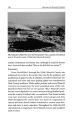
Show 158 HISTORY OF WASATCH COUNTY The Schneiter's Hot Pots (now the Homestead) were a popular recreational area in Wasatch County. (Utah State Historical Society) similar celebrations on Pioneer Day. Although it could be harvest time, Vernon Probst recalled, "Hay in the field did not matter."85 Summary From World War I through the 1920s, Wasatch County was influenced by events in the world. The war, the flu epidemic, and prohibition all played a role. In addition, Strawberry Reservoir was completed and water and some grazing rights were transferred to Utah County residents. While earlier policies had moved Wasatch County's raw resources to the more populated areas of the state, Strawberry Reservoir had an even greater effect. Wasatch County became more dependent on other areas providing finished products; the county furnished only raw materials. This theme became even more prominent as the twentieth century progressed. And, while throughout the county there was more of a separation of church and state, church leaders continued to control some decisions and serve in many capacities. Throughout the 1920s the LDS church played an important role in Wasatch County and would for years to come. WAR AND THE ROARING TWENTIES, 1917-1929 159 ENDNOTES 1. Wasatch Wave, 22 May 1914, 4; William Lindsay Reminiscences, 331. 2. Wasatch Wave, 7 July 1916, 4; 27 July 1917, 5; 20 Aprd 1917, 4; 10 August 1917, 4; Vernon H. Probst, Oral History, interview by Marsha Martin, 10 May 1985, Ogden, Utah, LDS Famdy Life Oral History Project, Charles Redd Center for Western Studies, Manuscript Division, Harold B. Lee Library, Brigham Young University, Provo (hereafter cited as LDS Family Life). 3. Salt Lake Mining Review, 30 October 1903,5:34; 30 November 1915, 17:32; 30 June 1916, 18:40; Will C. Higgins, "The Ozokerite Deposits of Soldier Summit, Utah," Salt Lake Mining Review, 30 September 1915,15. 4. Wasatch Wave, 23 August 1918, 4; George W. Johnson, Personal History, LDS Historic Arts Program, LDS Archives, 10. 5. Project Manager to Heber Horse and Cattle Association and Wallsburg Live Stock Association, 11 May 1917, Heber Horse and Cattle Grower Association, Misc. Livestock and Grazing, Strawberry Water Collection, Box 140, Folder 9, Utah State Historical Society; Elijah M. Hicken, "The Early Days of Elijah M. Hicken," 34-B, copy in author's possession. 6. Uinta National Forest Fdes, Heber City Offices; Wasatch Wave, 27 April 1917, 5; 20 Aprd 1917, 4; 11 May 1917, 4; 23 August 1918, 5. 7. Wasatch Wave, 29 June 1917, 4; 19 Aprd 1918, 4; 8 February 1918, 4; 22 April 1918, 5. 8. Wasatch Wave, 22 February 1918,4. 9. Wasatch Wave, 31 August 1917, 5; 9 November 1917,4; 11 January 1918, 4; 18 January 1918, 4; 17 May 1918, 4; 20 September 1918, 4; 29 March 1918, 4; 19 October 1917, 5; 22 February 1918, 4; Wasatch Stake priesthood meeting, 17 June 1917, LDS Church Archives, 192; Melba Duke Probst, Oral History, interview by Marsha C. Martin, 9 May 1985, Ogden, Utah, LDS Family Life, 7. 10. Wasatch Wave, 21 September 1917, 4; 12 October 1917, 4; 26 October 1917,4; 19 April 1918,4; Wasatch Stake minutes, bishop meeting, 21 October 1917,216; priesthood meeting, 21 October 1917,217; Quarterly conference, 27 October 1917,219, LDS Church Archives. 11. Wasatch Wave, 1 February 1918,4; 27 September 1918,4; Wasatch County Board of Education minutes, 19 February 1923, 86. 12. Wasatch Wave, 14 March 1919,4; Perris Jensen, Oral History, interview by Stevan Hales, 14 November 1981, LDS Famdy Life, 2. 13. Wasatch Wave, 4 October 1918,1; 11 October 1918,1,4, 5. 160 HISTORY OF WASATCH COUNTY 14. Wasatch Wave, 18 October 1918, 5; 26 October 1818,1; 26 October 1918,4; 1 November 1918, 3. 15. Wasatch Wave, 26 October 1918, 4; 15 November 1918, 5; Melba Duke Probst, Oral History, 12. 16. Wasatch Wave, 26 October 1918, 5; 1 November 1918, 5; 8 November 1918, 5. 17. Wasatch Wave, 22 November 1918, 5; 6 December 1918, 4; 13 December 1918, 5; 20 December 1918, 4; Wasatch County Board of Education minutes, 6 January 1919, 151. 18. Wasatch Wave, 27 December 1918, 5; 3 January 1919,4. 19. Wasatch Wave, 17 January 1919,4; 31 January 1919, 5. 20. Wasatch Wave, 15 November 1918,4; 29 November 1918,4. 21. Wasatch Wave, 26 October 1918,4; 22 November 1918,5; 3 January 1919, 5; Wasatch County Board of Education minutes, 18 November 1918, 146. 22. Wasatch County Board of Education minutes, 15 January 1917,76; 17 March 1924,144; 18 January 1926, 222; 1 February 1926,223. 23. Heber East Ward priesthood meeting, 1 March 1879, 237; Heber West Ward quarterly conference, 13 January 1885, 517; 4 April 1886, 480; Wasatch Stake high priest minutes, 20 March 1881, 67; Journal History, 14 March 1888, 5-6. 24. Wasatch Stake high priest minutes, 2 March 1895; Wasatch Wave, 28 May 1895, 3; Heber City Councd minutes, 20 October 1902, 20; Smart, Journal, 14 July 1903, 40-41; Wasatch Stake High Council meeting, 3 November 1906,16. 25. Wasatch Wave, 1 June 1906,2; 10 February 1905, 5; 30 June 1905,3; 28 December 1906, 3; 4 January 1907, 3; 5 April 1907,3; Heber City Council minutes, 26 June 1906, 98; 18 March 1907, 152. 26. Heber City Council minutes, 6 May 1907, 156; Wasatch Wave, 14 June 1907, 2; 21 June 1907, 5. 27. Wasatch Wave, 4 November 1908, 5; Heber City Council minutes, 18 November 1908, 208-09; 8 December 1908, 211. 28. Wasatch Wave, 11 December 1908, 2; 1 January 1909, 5; 27 August 1909, 3. 29. Wasatch Wave, 15 January 1909, 2; 28 April 1910, 2; 28 January 1910, 2; Reed Smoot, Journal, 23 February 1909, volume 8, 6-7, BYU Library. 30. Wasatch Wave, 24 March 1911,4; 19 April 1912,4; 23 June 1911,5; 30 June 1911, 4; 15 February 1917, 2; Heber City Council minutes, 3 July 1911,276. WAR AND THE ROARING TWENTIES, 1917-1929 161 31. Wasatch Wave, 4 June 1909, 2; Heber City Council minutes, 3 July 1911, 279; 28 December 1909, 248. 32. Wasatch Wave, 27 August 1909, 3; 7 January 1910, 2. 33. Wasatch Wave, 4 August 1911, 5; 20 September 1912, 5; 18 July 1913, 5; 25 July 1913, 5; Heber City Council minutes, 5 October 1913, 303; 22 March 1913, 33; 1 Aprd 1913, 315; 7 November 1913, 334. 34. Wasatch Wave, 7 November 1913, 4; 1 September 1916, 4; 19 February 1919, 5; 4 June 1915, 4. 35. Heber City Council minutes, 17 January 1916, 4; 24 February 1917, 34; 5 March 1917, 37; 20 March 1917, 38; 20 February 1918, 55; Wasatch Wave, 30 March 1917, 5; Virgil F. Fraughton, Uinta National Forest Files, Heber City Office. 36. Letter from Heber Horse and Cattle Growers Association and Wallsburg Livestock Association to J. L. Lytel, Project Engineer, 20 March 1920, Box 141, Folder 1; Heber Horse and Cattle Association and Wallsburg Grazing Association to A. P. Davis, Director of Chief Engineer, United States Reclamation Service, 1 August 1919, Box 141, Folder 2, Strawberry Water Collection, Utah State Historical Society. 37. E. A. Sherman, Acting Forester to the Uinta Cooperation, Reclamation Service, 12 August 1919, Strawberry Water Collection, Box 141, Folder 1. 38. Project Manager to Director and Chief Engineer, 17 September 1919, Box 141, Folder 2; F. K. Lane, Secretary of the Interior, to A. R. Wilson, Secretary, Water Users Grazing Land Committee, 22 September 1919, Box 141, Folder 1, Strawberry Water Collection. 39. Minutes of meeting between the Heber and Wallsburg Stock Association and the Grazing Lands Committee of the Strawberry Valley Project, 24 October 1919, Box 141, Folder 1; Water Users Grazing Lands Committee, 28 October 1919, Box 141, Folder 1; Chief of Construction to Director of Reclamation Services, Washington, D.C., 10 December 1919, Box 141, Folder 1; Memo or Minutes, Payson, Utah, 20 March 1920, Box 141, Folder 1, Strawberry Water Collection. 40. "Grazing Lands and Receipts Therefrom," Grazing Lands, Misc., 1916-1931, Box 140, Folder 7, Strawberry Water Collection; Hearing before the Committee on the Public Lands, House of Representatives, HR 10861 adding land to Uinta National Forest, 5 and 7 Aprd 1922, 4, 7, 20, 42, 55, Uinta National Forest Files, Heber City Office. 41. Strawberry Water Users Association to W. L. Whittemore, Project Director, Strawberry Water Project, 11 October 1923, Box 142, Folder 18, Strawberry Water Collection, Utah State Historical Society. 42. Cattle and Horse Permittees of Uinta and Wasatch National Forests 162 HISTORY OF WASATCH COUNTY to Secretary of Agriculture, 23 September 1919; D. A. Houston, Secretary of Agriculture to L. C. Montgomery, 29 September 1919; Permittees of the Wasatch National Forest to Secretary of Agriculture, 6 March 1920, Heber Cattle and Horse Company, Utah State Historical Society. 43. During the first two decades of the twentieth century, the number of cattle in the county increased, and the number of sheep as well as cattle grew in both Utah and Salt Lake counties. By 1910 there were over 11,800 head of cattle and 114,500 head of sheep in Utah and Salt Lake counties. Many sheep and cattle from these two counties were trailed each summer to eastern Wasatch County. Ten years later the cattle numbers increased to over 49,300 and sheep increased to over 205,000 head. See U.S. Agricultural Censuses for the decades of 1910 and 1920. 44. Heber Horse and Cattle Association, 6 January 1925,48-49; Delbert H. Chipman, Oral History, interview by John Bluth, 5 June 1974, Simpson Springs Oral History Project, Charles Redd Center for Western Studies, Manuscript Division, Harold B. Lee Library, Brigham Young University, Provo, Utah, 5, 9-10; Charles DeMoisy, "Some Early History of the Uinta National Forest," Uinta National Forest Files, Heber City Offices. 45. Charles DeMoisy, "Some Early History of the Uinta National Forest." 46. Wasatch Wave, 2 March 1923,4; 10 March 1922,4; Journal History, 20 August 1926, 6, LDS Church Archives; Frank R. Arnold, "Getting to Know Your Wasatch," Journal History, 25 November 1922, 5-6, LDS Church Archives; Utah Planning Board, "Wasatch County: Basic Data of Economic Activities and Resources" (Salt Lake City: Utah Planning Board, 1940), 2. 47. P. H. Hunt, "History of the Park Utah Mine," Wasatch Wave, 10 October 1924,4; "Mining Activities in Northern Wasatch County," Wasatch Wave, 6 October 1922,4; Vernon H. Probst, Oral History, 3. 48. Salt Lake Mining Review, 15 April 1917, 27; 15 June 1917, 50; 15 March 1918, 36; 15 April 1918, 35; 30 June 1918,19; 30 September 1921,22; 15 July 1925, 14; 15 October 1925,12. 49. Snake Creek Mining and Tunnel Company v. Midway Irrigation and Wilford Van Wagenen, Supreme Court of the U.S., Oct. Term, 1922, Utah State Historical Society, 3-7. 50. Wasatch Wave, 31 July 1914,4; 18 June 1918,4. 51. "Memories of Nymphas C. Watson," Historical Arts Oral History Collection, interview by Mr. and Mrs. Vernon W. Price, LDS Church Archives, 9. 52. Wasatch Board of Education minutes, 13 February 1922,16-17. 53. There are several stories about how Soldier Summit got its name. WAR AND THE ROARING TWENTIES, 1917-1929 163 One is that six U.S. army defectors from Johnston's Army stationed in Cedar Valley during the Utah War froze to death trying to make their way across the summit in 1861. Another version suggests that when Johnston's Army was called to the east at the outbreak of the Civfl War, some of the soldiers headed east up Spanish Fork Canyon and there six became Ul and died. Yet a third version indicates that the canyon was routinely used by the army to move soldiers and equipment over the summit. See John W. Van Cott, Utah Place Names: A Comprehensive Guide to the Origin of Geographic Names (Salt Lake City: University of Utah Press, 1990), 347. 54. Arnold Irvine, "Soldier Summit on Comeback," Deseret News, 7 September 1968, B-l; S. Glen Gardner, Oral History, interview by Jessie Embry, 16 Aprd 1976, Labor Oral History Project, Charles Redd Center for Western Studies, Manuscript Division, Harold B. Lee Library, Brigham Young University, Provo, Utah, 22-23; Mortimer, How Beautiful, 1118. 55. Gardner, Oral History, 9. 56. Wasatch Wave, 11 March 1923,4. 57. Eleventh Report of the Superintendent of Public Instruction of the State of Utah, 30 June 1915,7,57-58; Wasatch County Board of Education minutes, 17 January 1916, 32-33; 17 Aprd 1916, 44. 58. Thirteenth Report of the Superintendent of Public Instruction of the State of Utah, 20 June 1920, 4; Wasatch County Board of Education minutes, 20 August 1917, 98; 19 February 1918,115; 5 August 1918,135. 59. Thirteenth Report of the Superintendent of Public Instruction of the State of Utah, 20 June 1920, 4; Wasatch County Board of Education minutes, 18 October 1920, 224. 60. Thirteenth Report of the Superintendent of Public Instruction of die State of Utah, 1920,68; Wasatch County Board of Education minutes, 6 December 1920,231. 61. Wasatch County Board of Education minutes, 3 October 1921,297. 62. Ibid. 63. Wasatch County Board of Education minutes, 7 May 1917, 88; 18 June 1917, 92; 17 April 1922, 31. 64. Wasatch County Board of Education minutes, 3 March 1920, 199-200; 8 March 1921, 250-251; 19 march 1921, 257; 28 March 1921, 259. 65. Wasatch County Board of Education minutes, 23 February 1921, 246-247; 28 March 1921, 262; 20 June 1921, 282; 15 August 1921, 289; 19 September 1921, 293, 5 December 1921, 5. 66. Wasatch County Board of Education minutes, 23 January 1923,71. 67. Wasatch County Board of Education minutes, 5 February 1923, 74; 6 February 1923, 76; 3 March 1923, 92; 25 May 1925,192. 164 HISTORY OF WASATCH COUNTY 68. Wasatch County Board of Education minutes, 5 December 1921,6; 19 December 1921, 8-9; 6 February 1923, 76-77; 19 February 1923, 85; 19 March 1923, 95; 26 March 1923, 99. 69. Eleventh Report of the Superintendent of Public Instruction of the State of Utah, 1916,141-42; Wasatch County Board of Education minutes, 17 March 1924, 143-44; 3 May 1926, 234; 17 May 1926, 235; 21 February 1927, 262; 12 February 1929, 18; 3 June 1929, 27; LeRoy Sweat, Oral History, interview by Rebecca Vorimo, 4 February 1994, Wasatch County Oral History Project, Charles Redd Center for Western Studies, Manuscript Division, Harold B. Lee Library, Brigham Young University, Provo, 2. 70. Wasatch County Board of Education minutes, 11 September 1915, 14; 20 October 1919, 183; 20 February 1922,19-20. 71. Wasatch County Board of Education minutes, 19 March 1921,257; 2 June 1922, 37; 19 June 1922, 39; 21 August 1922, 45; 4 September 1922, 48; 3 October 1922, 53-54; 13 November 1922, 57-58; 20 August 1923, 122-23. 72. Wasatch County Board of Education minutes, 21 November 1926, 251; 3 January 1927, 257; 21 February 1927, 262; 21 March 1927, 268; 4 April 1927, 269; 25 September 1928, 6-7; 5 November 1928, 10; 22 July 1929, 31; 31 September 1929, 36; 7 February 1927, 260; 7 March 1927,265. 73. Wasatch County Board of Education minutes, 21 August 1916,43; 4 September 1916, 55. 74. Wasatch County Board of Education minutes, 20 September 1920, 219; 4 October 1920, 222; 18 October 1920, 223; 1 August 1921, 287; 15 August 1921, 288; 4 September 1922,48-49; 18 September 1922, 52-53. 75. Wasatch County Board of Education minutes, 15 September 1924, 162; 4 June 1925, 195; 18 June 1925, 198; 3 September 1928, 3; 23 September 1929, 35. 76. Wasatch County Board of Education minutes, 3 July 1916,; 5 December 1921, 5-6; 19 December 1921, 9; 10 September 1928, 4; 16 January 1922,11; 2 January 1924,138; 1 October 1923,127; 2 August 1926, 239. 77. Wasatch County Board of Education minutes, 28 March 1921, 262-63; 31 March 1923, 104; 18 February 1924, 1943; 21 April 1924,147; 1 October 1924, 165; 25 May 1925, 193-94; 17 August 1925, 205. 78. Wasatch County School Board minutes, 17 January 1927, 259; 21 February 1927,262; 7 March 1927,164; Marie E. Gooderham, History of the Granite School District, 1904^1976 (Salt Lake City: Granite School District, n.d.), 38. 79. Thirteenth Report of the Superintendent of Public Instruction of WAR AND THE ROARING TWENTIES, 1917-1929 165 the State of Utah, 1920, 32-34; Wasatch County Board of Education minutes, 23 March 1923, 28-29; 5 May 1923, 110. 80. Wasatch County Board of Education minutes, 14 April 1926, 231; 19 Aprd 1926, 233. 81. Wasatch County Board of Education minutes, 21 May 1917, 89; 30 July 1917, 95; 21 December 1925, 217; 2 September 1918, 139; James B. Allen and Glen M. Leonard, The Story of the Latter-day Saints (Salt Lake City: Deseret Books, 1992), 484; Wasatch Stake Presidency Meeting minutes, 29 September 1917, 213; 31 March 1918,256; 20 April 1918, 261, LDS Church Archives. 82. Wasatch Stake Presidency minutes, 25 July 1919, 313; 27 September 1919, 329; 27 June 1920, 383-94, LDS Church Archives; Wasatch County Board of Education minutes, 15 September 1919,177; 26 September 1919, 182-83; 4 October 1920, 222; 15 August 1921, 290. 83. Wasatch Stake priesthood meeting minutes, 21 May 1922,97, LDS Church Archives; Wasatch County Board of Education minutes, 15 October 1923, 129; 2 June 1924,152; 4 May 1925, 191. 84. Wasatch County Board of Education minutes, 21 April 1924, 148-49; 7 January 1924,138; 19 December 1927, 291. 85. Perris Jensen, Oral History, 39; Melba Duke Probst, Oral History, 6-7; Vernon H. Probst, Oral History, 11. DEPRESSION, 1930-1941 Lor much of America, the wdd optimism of the 1920s ended with the stock market crash in October 1929. The 1930s was a time of depression, unemployment, and agricultural disasters. Republican President Herbert Hoover and Democrat Utah Governor George H. Dern offered the same philosophy: the depression would be shortlived and private organizations would provide relief. When the Great Depression continued, Americans elected Democrats in 1932. Shortly after taking office, President Franklin D. Roosevelt declared a bank holiday to stop runs on banks and launched an assault on Capitol Hill. His "Hundred Day Congress" passed federal relief programs. The Federal Emergency Relief Act assigned $500 million as direct relief to states, cities, counties, and towns. That figure was later increased to $5 billion. Harry Hopkins, the director of the Civil Works Administration (CWA) that distributed the funds, believed the unemployed wanted to work and not simply receive a handout. CWA money helped build and improve roads, schoolhouses, airports, parks, sewers, and water systems. Governments receiving the funds provided a partial match. The National Industrial Recovery Act 166 |