| OCR Text |
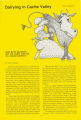
Show at Forest Farm W SAND BW- S NOW WVER WE * SWFORESf FARM. THE OCD FAlWHOtlSE TO PIONEER TRdtLS STATE PARK, fS A REMINDER OF THE AGR1CUtTURAL ~ F U M E M T SO F BRlbW 3 WNG AND OTHER EARLY UTAH FARMEW. What kinds of % ts, vegetables, and other pIants can be grown in Utah? To answer this question, early settlers planted many kinds of seeds they had brought h mth e eastern United States and fmm other countries. Brigham Young's Forest Farm in the Sugarhouse area of Salt Lake City was one pIace where large experimental plantings were made. Forest Farm got its name horn the many trees that Brigham Young had planted there. Walnut trees lined the long driveway up to the farmhouse. Apple, plum, peach, apricot, pear, and cherry trees filled the orchards with sweet fruits. Ash and locust bees were grown to provide wood for furniture and tools. And, in a famous experiment, 25 acres of mulberry trees were pIaated and an oriental cocoonery built. The mulberry trees were to feed silkworms imported from France. Although some silk cloth was made, this experiment was not too successful. Brigham Young was proud of the crops produced on this farm and brought visitors out to see how the experimental farm was run. Alfalfa, sugar beets, and a wide variety of fruits and vegetables were harvested each year. At the 1860 fair sponsored by the Deseret Agricultural and Manufacturing Society, Brigham Young won more prizes than anyone. His apples and strawber-ries took four awards. Prize vegetables included tomatoes, cabbage, celery, carrots, c a d - flower, parsnips. onions, peppers, eggplant, squash, and kohlrabi. Two unusual prize- winners were Chinese sugar cane and chufa nut, an edible Ahican root. Success at farming meant survival to the early settlers. The experiments at Forest Farm and an other farms in the territory proved that many hits, vegetables, and other crops could be grown in Utah's semiarid climate. 32 |