| OCR Text |
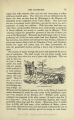
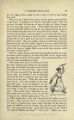
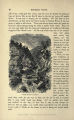
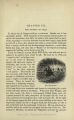
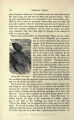
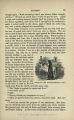
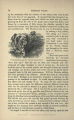
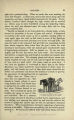
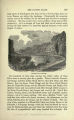
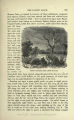
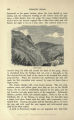
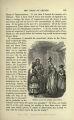
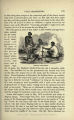
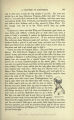
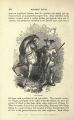
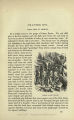
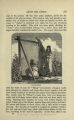
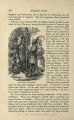
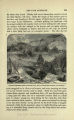
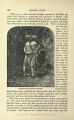
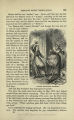
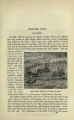
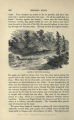
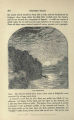
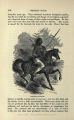
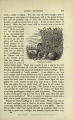
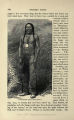
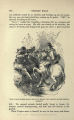
Show 254 WESTERN WILDS. My horse, bridle, saddle, lariat, gun ( a Spencer), and two Navajo blankets cost me two hundred dollars. My Navajo knew a few words of Spanish, perhaps fifty in all - about equal to my list in his language; but, unfortunately for general conversation, our words covered about the same objects. Such words as the following were in constant use: Tohh . . . Water. Klohh . . Grass. Chizz . . , Wood. Knuhh . . . Fire. Klee . . . Horse. Klitt . . . Smoke. Hahkohh. . . Come. Tennehh . . . Man. I represent the sharp accent at the end of some words by doubling the final letter, and the prolonged nasal sound by nh. The numbers as far as twenty- two run thus : Kli, nahkee, tah, dteen, estlahh, hos-tonn, susett, seepee, nostyy, niznahh, klitzetta, nahkeetsetta, tahtsetta, dteentsetta, estlahta, hostahta, susetetta, seepetta, nostytsetta, nahta, nahta kli, nahta nahkee, etc. " Thirty " is tahta, " forty " dteenta, and so on, while after each the ten integers run as at first. We are off before noon of June 18th, the whole white population joining us in a " stirrup cup," and white, brown, and red waving a good- bye. John, as I christened my Navajo, led the way up Cafion Benito, and over a low spur of red hills into a beautiful green valley about a mile square, quite level, and covered with grass a foot high. On every side of it rose bare columns and ridges of sand- rock, but from their base trickled here and there tiny rills of water enough to keep the valley fertile. Herds of sheep and goats, attended by Nava-jo girls, and some horses attended by boys, enlivened the scene. Through this, and on to another sand- ridge, then three miles more, brought us to a long narrow valley, winding for miles among the hills, and looking as if it had once been the bed of a river, and been heaved up by some convulsion. For hours we crossed such valleys every two or three miles, none of them more than a hundred yards wide, and separated by barren ridges. The grass in the valleys was rank and thrifty ; the ridges had nothing but an occasional sprig of sage- brush or cactus. Every- where along the grass- plats were shepherd girls with considerable flocks, each girl carrying a set of Navajo spools and spindle and a bunch of wool, on which she worked in the intervals of watching. These spools are very similar in shape to those used in our rural districts, but large and clumsy. " With a pointed stick, turned in the right hand, the spinner runs the wool on to the larger spool in |