| OCR Text |
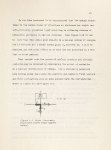
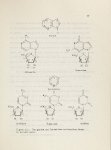
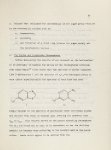
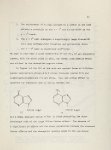
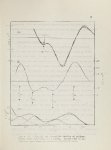
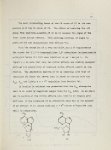
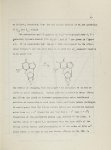
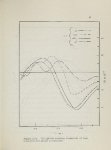
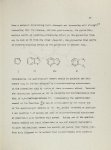
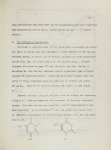
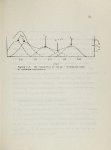
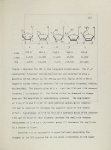
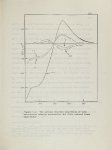
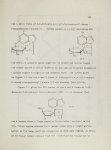
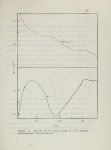
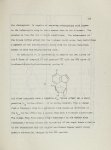
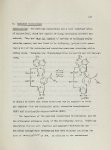
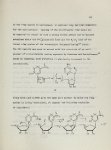
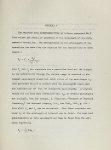
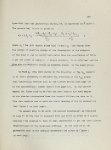
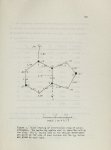
Show 176 on the purine The Katz or pyrimidine baseso discovery of the reaction of mercury(II) [So Katz, So Am, Chema SOCOt 1!. 2238 (1952)] the demonstration of Thomas 6032 [CQ Ao Tbomas with the the a site of is certain that purine and pyrimidine bases, It is Such in study a lab= our does react with the mercury reaction possible to determine with the bases does indeed of the proposed that attchmento mercury(II) model for the reactions of other metal it should be 7e chromophoreo by the many nucleoside derivatives available Because it 0 SOCOt . mercury-nucleoside system be studied objective of locating the will aided oratory CD and ORD or the 0 position of attachment mercury to the various nucleoside moleculeso absorption. base by followed by was qo Amo Chern (1954)] that mercury is attacheq to the These studies have not defined the the ion with DNA can serve as ions, and by comparison. for any metal whether reaction occurQ Study the Optical Rotatory Disp!r!ion of Flavine Nucleotid I Fluorescence and solvents absorption spectroscopy indicate that flavine-adenine dinucleotide (FAD) takes up formation in which the flavine and adenine imitYe Since the rings are a con= in close prox= optical rotatory dispersion of FAD should depend on this intramolecular interactioTIo in 6M-urea in of FAD folded side=chai,n of the flavine chromophore is optically active it is to be expected that the or in aqueous dimethyl sulfoxide(DMSO) the approaches that of its constituents fluorescence Furthenore intensity (flavin mononucleotide |