| OCR Text |
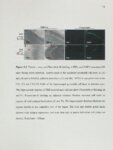
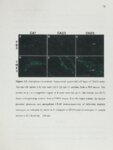
Show 94 Summary, Speculations and Conclusions The studies presented in this dissertation were designed to test the hypothesis that on the appropriate mouse genetic background, Theiler's virus (TMEV) infection induces structural, cellular and molecular damage associated with persistent hyperexcitability, altered seizure susceptibility, and epilepsy postinfection. This hypothesis was rooted in several key findings: (1) Theiler's virus infection induces acute encephalitis in C57BL/6 (B6) mice, after which the animals completely clear the virus and recover from the acute infection (Theiler, 1937); (2) TMEV-infected B6 mice display spontaneous afebrile seizures within the first week after inoculation (Buenz et al., 2006; Libbey et al., 2008); (3) seizure activity correlates with hippocampal pyramidal neuron transforming growth factor (TGF)- expression (Libbey et al., 2008); pyknosis and and (4) various other inbred mouse strains, including SJL/J, BALB/c and FVBIN, do not display seizures during acute TMEV-induced encephalomyelitis (Libbey et al., 2008). To test our hypothesis, we utilized a combination of histological, electroconvulsive threshold (ECT) testing, corneal kindling and continuous video-electroencephalogram (VEEG) monitoring techniques. In Chapter 2, we identified the brain regions involved in acute TMEV -induced seizures. F os immunoreactivity studies indicate that the hippocampus and thalamus are activated during these spontaneous seizures. We also assessed the effect of TMEV infection on chronic in vivo seizure thresholds and kindling acquisition. Specifically, corneal kindling rates and partial psychomotor (6 Hz), minimal clonic and maximal tonic hindlimb extension (THE) electroconvulsive threshold (ECT) tests were conducted after B6 mice cleared the virus and recovered from the acute infection. The results suggest |