| OCR Text |
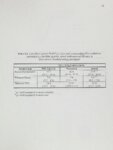
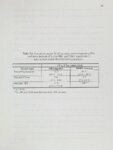
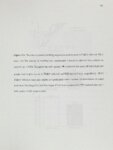
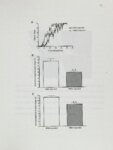
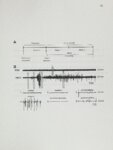
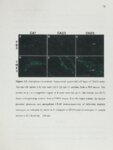
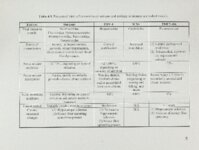
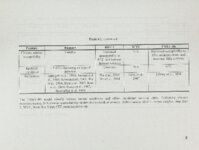
Show 34 maximal THE seizures were not significantly different from nonseized and PBS-injected. In contrast to seized mice, nonseized B6 mice had a lower maximal THE threshold relative to PBS-injected control mice, but did not display significant differences in partial psychomotor or minimal clonic seizure thresholds. Calculated CCso values and corresponding 95% confidence intervals (CI9s) are summarized in Table 2.1. Kindling acquisitions experiments were also conducted at 2 months p.i. Seized mice displayed an enhanced rate of kindling, that is, they required fewer stimulations to reach 5 consecutive nonseized and generalized Stage 4 or 5 seizures (Fig. 2.5A) compared to both PBS-injected mice. In fact, seized mice required a fewer number of stimulations to reach either a partial seizure (Fig. 2.5B) or a fully generalized seizure (Fig. 2.5C). The rate of kindling acquisition was not significantly different between PBSinjected and nonseized mice. Seizure thresholds and kindling tests in SJL/J mice To determine whether genetic background plays a role in alterations in TMEV induced seizure susceptibility, we conducted seizure threshold testing and corneal kindling in SJLlJ mice. As previously reported, TMEV -infection does not induce acute spontaneous seizures in SJLlJ mice (Libbey et al., 2008), although they do develop acute encephalitis and a chronic demyelinating disease. Additionally, viral particles persist in the spinal cord throughout the life of the animal [for review see (Oleszak et al., 2004)]. In contrast to our observations in B6 mice, the seizure threshold for TMEV-infected SJLlJ mice was markedly enhanced in the partial psychomotor and maximal THE seizure threshold tests (Table 2.2). Interestingly, none of the TMEV-infected rmce (n=12) displayed tonic hindlimb extension seizures at a current intensity (100 rnA) that was at |