| OCR Text |
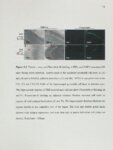
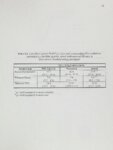
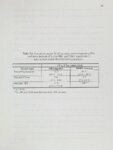
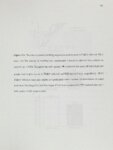
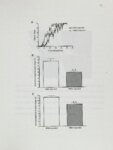
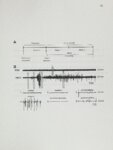
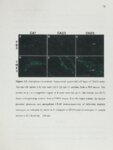
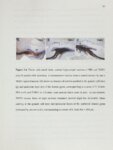
Show 74 animals for 1 month at 4 and 7 months p.i. Our results showed that the average seizure incidence and frequency did not change significantly over time. Cumulatively, 65% of TMEV mice and 100% (n=15/23) monitored chronically displayed Stage 4-5 behavioral seizures (n=23/23) exhibited epileptiform activity. The mean seizure frequency was 1.4 ± 1.6 per mouse per week, with an average duration of 54 ± 25.5 seconds. None of the PBS mice (n=9) displayed seizures or epileptiform activity. Hippocampal sclerosis Brains from chronically infected TMEV mice were harvested at 2 months p.i., and stained with cresyl violet. An investigator blinded to treatment protocols assessed stained sections for gross pathological deficits. These studies revealed damage characterized by cell loss in the CA 1 and CA2 severe hippocampal pyramidal cell layer and corresponding enlargement of the lateral ventricles (Fig. 3.4A and B). This damage was further confirmed by measuring the ventricular and hippocampal area using NIH ImageJ software (Fig. 3.4C). Since there did not appear to be any obvious ipsilateral versus contralateral differences, sections were grouped together for quantification purposes (4 - 16 sections per animal). In seven TMEV mice, the lateral ventricle area was significantly enlarged (area 0.001 = 0.92 ± 0.11 = 0.44 ± 0.057 mm"; p < by unpaired t test). Furthermore, the hippocampus was significantly smaller in TMEV mice (area < mm") compared to PBS mice (area = 1.7 ± 0.081 mm") compared to PBS mice (area = 2.3 ± 0.11 mm"; p 0.001 by unpaired t test). NeuN staining was used to further confirm neuronal cell loss in the pyramidal cell layer. Tissue for chronic histological analyses was harvested at various time points post infection (2-8 months p.i). The hippocampal pathology appeared to be progressive. While significant cell loss and collapse of the alveus is evident at 2 |