| OCR Text |
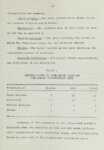
Show 31 neighborhood problems. evident in the was more cent of per questions on than more "greater neighborliness" the schedule. the of latent the hood showed manifest prior to their that ita "bonus" unusual but an cent of respondents the There neighborliness relationships to move All lived on it the the avenues fifty-two repondents of borhood City. in Salt Lake When the postman respondents them felt was about atmosphere in Northcrest. and met few of the it were was interviewed, the was experience. and had maintained many Northcrest, and most resident and believed desirable extremely to Northcrest tionships. seen social necessities. do neighbor they had not anticipated such acceptance and interaction. They considered move the as or Informal discussion with the neighborhood. respondents respondents apparently satisfaction found in the with much emotional within The well as 75 of response nearly one-half of the to respondents neighborliness of general feeling meely conform to evidence was A friendly and However, he Fifty prior to per their satisfed with "idealll neigh- with agreed the courteous indicated residents, probably somewhat earlier rela the he a that he had less than 30 per cent. Social class. --In of ing the to ne Lghbor-hood, the 1 the male to determine respondents Hollingshead "Two Factor Index lAugust Posi tion'n .o r-d er- B. Hollingshead, "Two were social class ra ted of Social Factor (New Haven, Connecticut, 1957). the Index of accord Position."l Social (Mimeographed. ) |