
Contents | 29 of 209






















Page 29


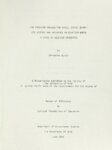
| Title | The American College for girls, Cairo, Egypt: its history and influence on egyptian women a study of selected graduates |
| Publication Type | dissertation |
| School or College | College of Education |
| Department | Educational Studies |
| Author | Sproul, Christine |
| Date | 1982 |
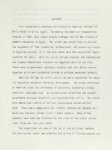
| Description | This dissertation examines the history of American College for Girls (ACG) in Cairo, Egypt. Founded by the American Presbyterian Mission in 1909, this school played a unique role in the history of women's education in Egypt. The school was established to educate the daughters of "the landowning, professional, and governing classes of Egyptian society" at a time when there were few educational opportunities for girls. With its junior college program, ACG represented the highest educational standard for Egyptian girls at the time. There were no government secondary schools, and only three hundred Egyptian girls were attending foreign or private secondary school s. American College for Girls quickly gained a reputation for quality education and moral character development. The school reflected an American style and philosophy of education, stressing a broad, practical knowledge base. Extra-curricular activities and student government stressed leadership and organizational skills. The school also emphasized a motto of service, encouraging social welfare work. There was a democratic and friendly interaction between students and teachers seldom found in other schools. Many of the teachers were American missionaries who lived at the school during their three and four year terms. The study looks at some of the social and political factors influencing the school and examines the period of nationalization and later the school name change in 1967. Since that date, the school has been named Ramses College for Girls. Today its reputation rests upon its excellent academic performance although much of the former curriculum and emphasis on activities has been modified in response to societal trends and pressures. The twentieth century has seen rapid social changes for Egyptian women. Many ACG graduates hold reputations as pioneers in the Eygptian women's movement. This study examines the position of women in twentieth century Egypt and details the role certain ACG graduates played in pioneering social welfare work, educational advances, and career opportunities for women. Thirty graduates from the 1919-1969 period were interviewed. Their biographies are included in this study, detailing their particular contributions to the changing society and their perceptions of the influences and decision points in their lives. One cannot conclude that these women accomplished what they did because of their ACG education. Many other factors including family background, parental guidance, social connections, university training, individual mentors, personal motivation, talent and determination, societal and legal changes, circumstances and luck contributed. Yet, the education at ACG was certainly an important part in their contributions to Egyptian society. The vision and spirit of this school and the contributions of its graduates deserve to be recognized and recorded. The study adds to the history of women's education and the role of women in Egypt's development. v Additionally, these women's reflections on the changes of women's roles provide insight into the opportunities and problems confronting Egyptian women relative to the worldwide women's movement. |
| Type | Text |
| Publisher | University of Utah |
| Subject | American college for girls (Cairo, Egypt); presbyterian church; missions Women; egypt; social conditions |
| Dissertation Name | Doctor of Philosophy |
| Language | eng |
| Rights Management | © Christine Sproul |
| Format | application/pdf |
| Format Medium | application/pdf |
| ARK | ark:/87278/s6bdkh5h |
| Setname | ir_etd |
| ID | 2136754 |
| Reference URL | https://collections.lib.utah.edu/ark:/87278/s6bdkh5h |
Page Metadata
| Title | Page 29 |
| Format | application/pdf |
| Setname | ir_etd |
| ID | 2136783 |
| OCR Text | Show |
| Reference URL | https://collections.lib.utah.edu/ark:/87278/s6bdkh5h/2136783 |