| OCR Text |
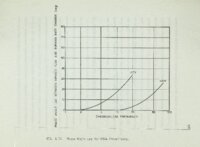
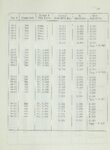
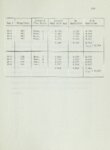
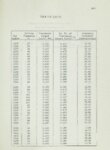
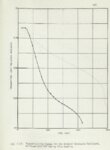
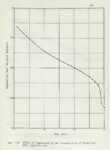
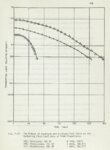
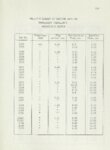
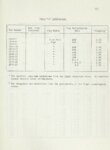
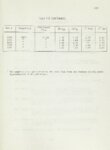
Show 195 increases with increasing heating between the various propellants pre-ignition temperature. for the PBAA-fue1ed oxidizer at lower loading causes The ingly higher for Possibly polymer the dizer before rate the it 315 to to reach a catalyst, ignites The at on at for as the The influence of observed VBZ higher to correspond fuel The effect of loading. the oxi a burning computed pre-ignition the same the 525°C, are data. computed Both pre burning whereas on or the The the Of rate uncata1yzed course artificial because the does not conditions -the polymer and UBT. are between 500°C and 550°C. by light transmission changes, propellants 575 begin computed ignition temperature, however, computation boundary appear to to versus using these essentially computed ignition temperatures either the loading higher higher temperature than between 475°C and propellant VAQ ignites terms, the Propellant UBZ, containing same. equation used 340°C for VAQ be undetectable and UBZ had ignition temperature. these observed that the appreciable pyrolysis begins. propellants VAQ the is propellant containing must computed the effect of oxidizer pre-ignition reaction catalyst, N-buty1 ferrocene, is not be noted from the computed ignition temperatures the temperature appears was Comparing temperatures, i.e. 600°C for VCI. can propellants, Definite differences rates. as contain chemical reaction distributed reactions. ignition transient, can be noted as by comparing computed pre-ignition temperature between 350°C and 375°C for UBT, whereas for propellant VBZ, |