| OCR Text |
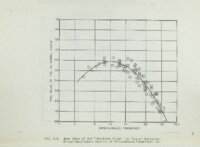
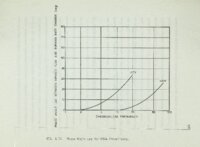
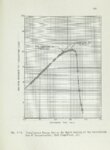
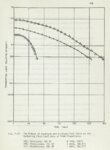
Show 107 T-burner and L*-burner te s t s A , both general plot containing L*-burner and T-burner data and the response function determined in this shown is study L*-burner data between the results frequency as show that subtle of transfer only the T-burner meets, of suitable pellants course offers responsivity perturbing of frequencies for of can the be taken in on a test to acoustics of screen The time. rocket in a problem The is date, device study of for the criteria experimental technique Data for the To of developed five pro testing propellant of advantage the controlled variable is that The of rocket propellants particular application. study and applied be used. short formulations propellant experiments, preferably some instability. require elaborate equipment. can The results although only approximately, this as driving of the interaction between laboratory conditions. flux the chemical reaction rates, another solution to the under heat controlling complexity consistent for potential instability The similarity study. technique. rely must one test the to simple, reliable and the of surface and the burning factors during this the types of experiments is gratifying thermochemistry, all these range of predict the potential instability to the to narrow studying propellant response. by using However, due a the differences between various chamber. a Note the data of this superior value from the propellants heat the desirable is to from different means a become apparent It compared as and demonstrates Figure 6-20. on simple a using the wide range and does not the entire response function |