| OCR Text |
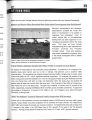
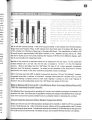
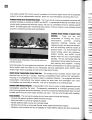
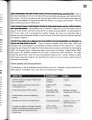
Show becomes feasible. Using Transit Scores based on Year 2020 population and employment forecasts, and LRT target scores, charrette participants talked about shifting population and employment to centers in the core of the region. These centers largely represent the traditional centers that already exist, such as Princeton Borough, Princeton Junction, and Plainsboro Village. Using feedback from the charrette, the modeling team shifted approximately 26,500 jobs and 2,600 households to the US 1 Corridor where new transit services were proposed. Under trend population growth, transit zones (defined within 0.5 miles of a transit station) represent 4.6 percent of the study area, but 20.2 percent of the jobs and 6.1 percent of the households. With "Smart Growth," the zones near transit would increase to 28.0 percent of the employment and 7.8 percent of the households. Using input from the charrette, and their knowledge of the area, New Jersey Transit staff developed a tentative alignment for an LRT line to link the centers, see Figure 3. No engineering study was performed to test the alignment's viability; it was developed solely to test the ridership potential of an LRT line and diversion from other transportation modes. The charrette also identified improvements to existing transit lines and new feeder services to the LRT. Each scenario had a unique combination of land use, highway, and transit assumptions defined by the Forum. Below is a brief description of each scenario: Existing (Base Year) Scenario - Quantifies existing travel patterns, used as comparison to future "Do Nothing." It uses 1997 base year land use and demographics, the existing highway and transit networks, and existing transit services. "DO Nothing" Scenario - Determines what future conditions will be if there are no transportation improvements. It is used to compare future conditions to existing conditions, and is a neutral scenario used to rate the effectiveness of the alternate improvement scenarios. It consists of DVRPC and NJTPA forecasted 2020 population and employment, trend land use, existing transit network and services, and existing highway network with projects already under construction (such as the Meadow Road grade-separated interchange). Highway I Scenario - Examines the impact of committed highway projects (as identified in DVRPC's and NJTPA's Transportation Improvement Programs) plus selected highway improvement projects. For example, it adds US 206 Bypass in Hillsboro, US 1 widening in South Brunswick, New Jersey Turnpike's widening of its outer lanes, and the CR 522 Extension to the "Do Nothing" highway network. Demographics, land use and transit assumptions remain the same as the "Do Nothing" scenario. Highway II Scenario - Examines more ambitious highway improvements by adding the Millstone Bypass and SR 92 to the Highway I network. Again, demographics, land use and transit assumptions remain the same as the "Do Nothing" and Highway I scenarios. Transit/land Use Scenario - Models a center oriented "Smart Growth" land use pattern and modified demographic trend in combination with LRT and other new transit services identified by the charrette. A travel demand management (TDM) component was also incorporated into the scenario. It assumed the "Do Nothing" scenario highway network. |