| OCR Text |
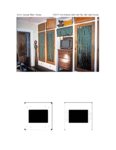
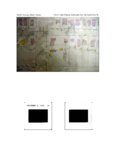
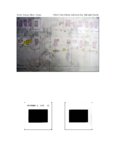
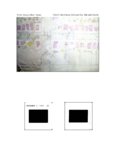
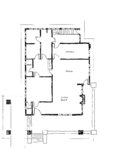
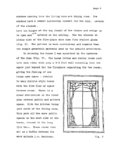
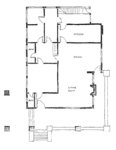
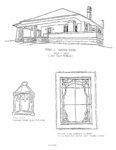
Show There are a variety of window types used in the house. Many of the windows are casement type, the most interesting of which are the stained glass windows on either end of the living room mantel and in the front bath (formerly a part of the entry hall). These stained glass windows have a more curvilinear and organic design than many of the prairie architects' geometric pattern, and are highlighted with green and gold colors (see drawing in appendix). The bookcases flanking the fireplace are also encased with leaded glass doors which have a more elaborate geometric pattern. There are two large picture windows, one each in the living room and dining room. The east side bedrooms and the kitchen contain standard single hung windows, whereas the back of the house contain large casement type windows with small panes in them. Some are hinged on the top, swing into the room and hooking on the ceiling for a "porch-like" effect. The large living and dining areas are open to each other with only a 2-3 foot wall separating the two spaces midway down on the west side of the room (see floor plan). Markings on the original quarter-sawn oak floors and salvaged red gum woodwork found in the attic suggest that the two rooms were formerly separated by built-in bookcases enclosed with leaded glass doors on either side of the living/dining "division". George Albert Smith's granddaughter, Margaret Hatch, reports that the living and dining areas were also separated by full-length folding glass doors that stretched between the built-in bookcases 2 • The dining area also originally had a built-in buffet cabinet on its south wall with a pass-through to the kitchen. Other gumwood detail including a large plate rail about two-thirds up the wall height were removed during Mr. Lamoreaux's occupancy. These former and present wood accents would have been typical of a praire bungalow home. Much of the original woodwork has been painted, but the entry hall "divider", the |