| OCR Text |
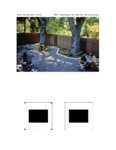
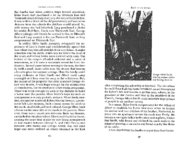
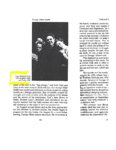
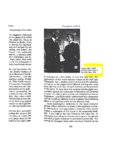
Show George Albert Smith with Boy Scout at This Is the Place Monument George Albert Smith at garden party, July 24, 1947 and limousines carrying Church and government dignitaries. Leading this colorful column in his distinctive Buffalo Car was the smiling, bearded Mormon Prophet, decked out in a white, western-style Stetson that he waved intermittently to acknowledge the waves of applause that greeted him along the route. It was a genuinely joyous occasion for the man who reveled in pageantry, who loved the pioneers and the heritage they had left, and who delighted in honoring and memorializing them for their lives of faith and devotion. But the parade, dramatic as it was, was merely a prelude to the culminating drama to be staged later east of the city at the entrance to the Salt Lake Valley. The details of the unveiling of the heroic monument and its dedicatory ceremony have already been given. It is sufficient here merely to add that, in a sense, the events of this day capsulized the life and ministry of the man who conceived them and brought them to fruition. They demonstrated his love for the lives and deeds of those who had gone before. They demonstrated his love and concern for those who would follow by providing physical symbols of their heritage that would stand as constant reminders of the qualities of character they should emulate. And because he had insisted that the This Is the Place Monument recognize and memorialize all groups and individuals who had contributed to the development of the area, whether members of the Church or not, they demonstrated his ~niversallove for all people, regardless of race or religion. A ~eat day' was George Albert Smith's simple summation of the key events of the celebration for which he had planned, prepared, and prayed for so long. During the crush of events connected with the Centennial, President Smith received an answer to fervent prayers he had offered during the first two years of his administration. The first hints of fulfillment were tentative. "Arthur Haycock helped me," he wrote of the young 338 339 |