| OCR Text |
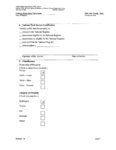
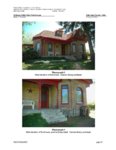
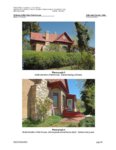
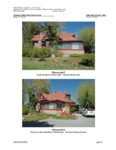
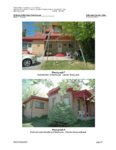
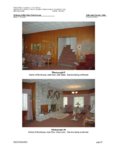
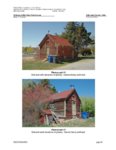
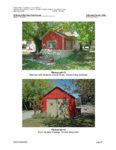
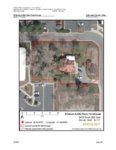
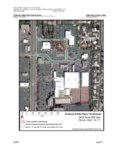
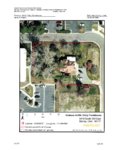
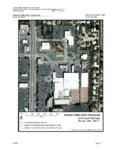
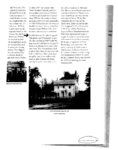
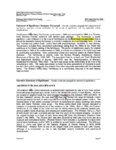
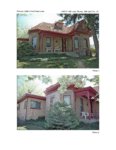
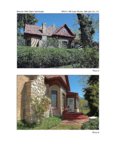
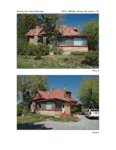
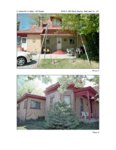
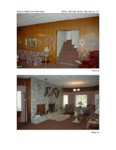
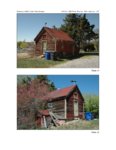
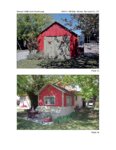
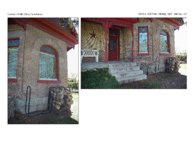
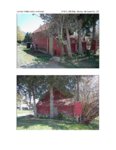
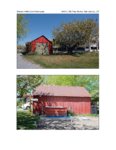
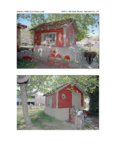
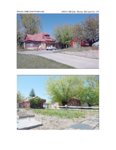
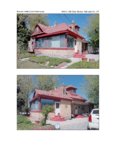
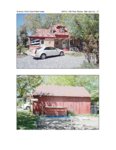
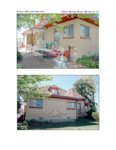
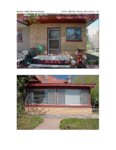
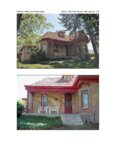
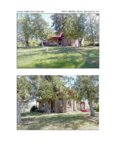
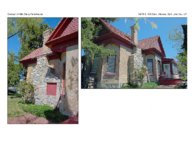
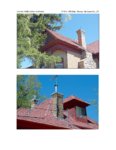
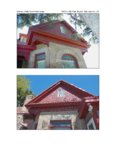
Show United States Department of the Interior National Park Service I National Register of Historic Places Registration Form NPS Form 1G-900 Erekson Artillo Dairy Farmhouse Name of Property OMS No. 1024-0018 Salt Lake County, Utah County and State The Walton, Wesley and Frances, House is located 0.38 miles northeast of the Erekson property at 5197 South Wesley Road. Built by a rancher and politician in 1899, the Walton house is 2%-story brick Victorian Eclectic central-block house, similar in size to the Wheeler farmhouse. The Walton house is currently located on a 0.43-acre remnant of the original parcel and has no extant agricultural outbuildings. It is located on a private lane surrounded by midtwentieth century subdivision development and a mobile home park. The Walton, Wesley and Frances, House was listed on the National Register in 1995 (NRIS# 95000983). Victorian-era substantial masonry homes were rare in the triangle of farmland between the early communities of Murray, Holladay, and Union in Salt Lake County. Both the Wheeler and Walton residences are architecturally unique that could be categorized as mansions. In contrast, the Erekson farmhouse represents a more modest example of the Victorian Eclectic central-blockwith-projecting-wings residence. The central-block was the most common house type built in Utah between 1890 and 1910. The emergence of the type corresponds to the dissemination of architectural pattern books and the availability of standardized building components. The central block was easily adapted for the variety of materials, asymmetrical exteriors, and the large, bright rooms favored by builders at the turn-of-the-twentieth century. The Victorian Eclectic central-block appeared frequently as both mansions and tract housing in the streetcar subdivisions of Salt Lake City. In smaller towns, like Murray, the type was built in the commercial district and on outlying farms. The Erekson farmhouse is the only known and extant 1%-story example along 900 East in east Murray. The Erekson farmhouse, built in 1894, exhibits all of the characteristics of the Victorian Eclectic central-block house. The materials include granite blocks, fired yellow brick, and variety of wood shingle imbrication. The Erekson property is located near the Vine Street path for wagons hauling granite blocks from Little Cottonwood Canyon to the Salt Lake LOS Temple site. The use of granite discarded as a foundation material was common in the area. A unique feature of the house is that a layer slag from the Murray smelter was placed under the foundation to prevent settling . The yellow brick was likely obtained from one of two early brickyards in Murray. The integrity of the original design can be seen in the asymmetrical fayade and the decorative brick masonry. Although the interior was remodeled in 1963, the characteristic feel of the Victorian-era large rooms with high ceilings and tall windows is intact in the front of the house. The unique history of the Erekson farmhouse is represented by the historic character of the 1963 remodeling. By the 1960s, most of the nineteenth century farm parcels in the neighborhood had been divided and developed, and many of the older residences demolished. Much of the Huffaker farm where the Walton house is located became the Huff Acres subdivision in the early 1960s. Although the Wheeler farm was not divided, the house was vacated and much of the land lay fallow. In the same time period, the Erekson family, not only modernized and expanded the house in 1963, but kept dairy cows on the pastures surrounding the farmhouse until 1990. As part of the remodeling, the Ereksons chose to match the granite and yellow brick of the original house, but included popular mid-century Modern details such as flat roofs, curved stoops, and aluminum slider windows. Each building phase of the Erekson Artillo Dairy Farmhouse property, including the outbuildings, maintains its distinct characteristics of integrity in the qualities of location, design, materials, and workmanship. Although the associated pasture land has been developed, the landscape of the Section 8 page 10 |