| OCR Text |
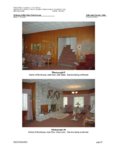
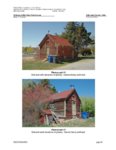
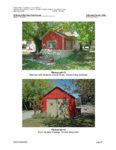
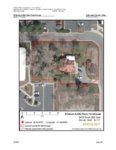
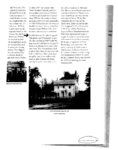
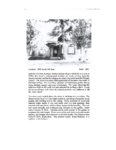
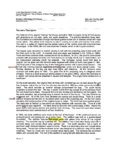
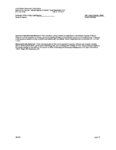
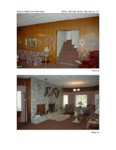
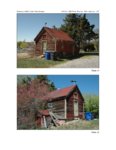
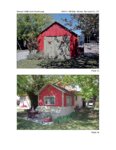
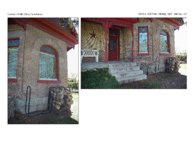
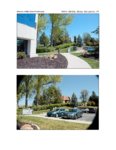
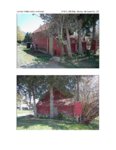
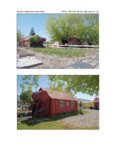
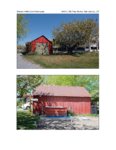
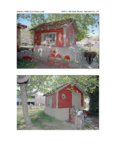
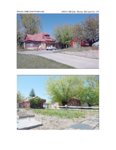
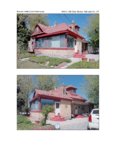
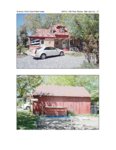
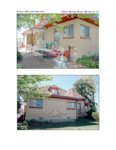
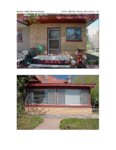
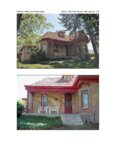
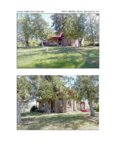
Show United States Department of the Interior National Parlt Service I National Register of Historic Places Registration Form NPS Form 10-900 Erekson Artillo Dairy Fannhouse Name of Property OMB No. 1024-0018 Salt Lake County, Utah County and State On the interior, the Erekson farmhouse has 1,874 feet of space on the main floor and 789 feet of finished attic space. The house does not have a basement. The 1963 expansion and remodeling effectively updated the interior from the Victorian-era to a Modem-style ranch house. The front door was locked and the main entrance moved to the south side; however, because parking was at the rear, the south doors were rarely used. The front foyer was turned into a walk-in closet, although the original front door is still visible and currently operable. The parlor and dining room on the south side of the house were originally separated by pocket doors. In 1963, these doors were removed and a large living room was created. The original fireplace was replaced with a wall of rock showcasing a Modem-style hearth and mantel. The remaining walls were paneled. The original narrow stairs to the attic are accessible from the living room, but the opening and lower steps were widened. The kitchen in the southeast comer was enlarged to open into the family room addition. The interior has not been modified since 1963. On the north side of the interior, the front room was converted to a bedroom. In this room, the ceiling was not lowered and the original Victorian window casings with pate rae are intact. A hall connects this bedroom to a full bathroom and the northeast addition. The addition includes a second bedroom (now used as an office) and a three-quarter bathroom. The original bathroom at the rear of the house is now a laundry room. A pantry was removed when the kitchen was enlarged in 1963. The upper floor has two bedrooms, one bath, and a storage room arranged around a narrow landing. The current legal parcel includes two contributing outbuildings. Just east of the house is a circa 1930 seamed metal garage with a corrugated metal roof. This 12 by 18 foot building faces south. The second contributing outbuilding on the property is a circa 1920 pump house near the northeast comer of the house. The pump house is built over a well on a raised concrete foundation. There is a door on the west elevation and windows on the secondary elevations. The walls are shiplap siding. The simple gable roof features exposed rafters. On the east elevation, the concrete foundation projects to form a trough formerly used to keep milk cans cool. The trough has a hinged wood cover. A third outbuilding associated with the farmhouse is on the northeast comer of the adjacent parcel to the south. However the granary is under separate ownership and is not included within the boundary of this nomination. 1 The Erekson farmhouse sits on a 0.62 acre parcel that is the remnant of a fifty-acre dairy farm. In 1990, the family sold the property surrounding the house for commercial development. All of the commercial parcels, except for the adjacent parcel to the south have been developed. Although the surrounding landscape has changed, the immediate setting of the farmhouse remains remarkably intact. The front yard features a long sloping lawn, historic hedge rows, and numerous historic trees. Both the north and south yards feature landscaped slopes. The back yard is the current entrance to the property. There is a gravel drive and parking near the rear of the house. The immediate surroundings of the property and both the interior and exterior have remarkable historic integrity representing the early 1960s within the historic period. 1 Although on a separate legal parcel, the granary is incorporated into the landscaping of the fannhouse and is maintained by the owners of the farmhouse. The granary was built in the 1890s on a brick foundation with walls clad in drop-novelty siding. The primary elevation faces east with a six-panel door and small window. The granary is built into the slope of the site and has a covered basement entrance to the south. A lean-to extends from the west elevation with a secondary door facing north. Section 7 page 6 |