| OCR Text |
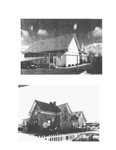
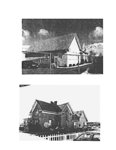
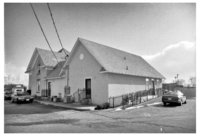
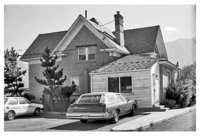
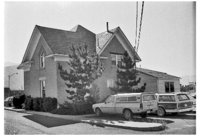
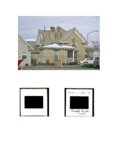
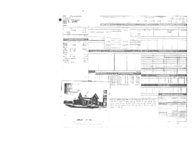
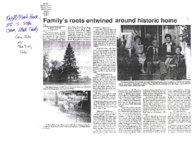
Show I'RESS ASSOCIA nON Clipping .'itn·ice (801) 328-8678 OR~:;\t roots entwined around historic home by REVA BOWEN City Editor The historic home on State Street has survived at 212 South, an example of what historic preservationists can "adaptive reuse" --- bringing an older .t~- ture along with the future by applying a tMdern use to it. The buainess houaed in the stately Victorian structure is called "Thru the Grapevine" and ..lis homemade craft items, dried floral arrangements and wreaths, home decorations, crocheted \ handiwork, and antiques. Like other Orem homes, this one has a rich history. But it is much more than just a house and more than just a busi ness. It is the repository of memories for a family --- the Joseph H. and Ethel Davis Finch family - who lived there from June of 1926 until the home was sold following the death ofmatriareh Ethel D. Finch in 1974. The yellow brick, eight-room houae was, in a sense, the stage on which the family enacted the drama of life - and that drama contained many elements: love, birth, happiness, hard work. and m arriages. but also lllness, ad· versity, tragedy, and death. An interview with famil y member The Finch home at 212 South State In Orem as It looked before the large pine tree was cut down. Mary Lylene Peay and a study of the family's written history have provided a glimpse behind the curtain of time and a view of what Orem was like in the 1920s and 1930s. Family background Seven children were born to Joaeph H, and Ethel Davis Finch, and five of the aeven are still living: Merlin Finch and Louis "Jay· Finch, who both farmed in Orem and worke d at Geneva Steel. for many yesrs; Mary Lylene Peay; Rosa Mae Gurr, who teaches second grade in Pleasant Grove; and Afton Graff. Merlin, Jay, Lyl e ne, and Afton are currently all Orem residenta, Jind Rosa Mae lives in Provo. The oldest son and brother in the family, Stanley Finch, also an Orem resident, died in 1991. A sister, Elizabeth , the third born in the family, died of pneumonia at 21 years of age. History o( the home The stately ho use wa s built in In this 1940 photo, Mary Lylene Finch wa_habysitting her nephews at tbe fruitstand in front of her home on State Street _inOrem. 1909 by Newel James and Eliza Stratton Knight. The cou ple Jived in the hom. until 1916, when they sold it to Thomas and Anna WaI ters and moved to Idaho. The Knights reportedly regretted the move, and tried to buy the home back when they returned to Orem, but they were not able 1.0. The Finch family bought the home in JUTl <:> of 19:16. Lyle nc, th e ron" ... 1. :1 ,1 .••• , J .1 .• .. Meeting tolfether for a photo at their childhood home were membeJ'1l of the Finch family: (Back row,left to right) Mary Lylene Peay, Jay Finch, and Afton Graff. Center front., Merlin Finch; front right, Ro.. Mae Gurr. ing the frwt to lell. Cherries, tomatoes, and peaches had to be "faced" --- plaCed just a certain way in the box. Lylene said the fruit had to be of high quality and at the appropriate slage of ripene88 in order to pass inspection. Everyone in the family was relieved when fruit Ihipments "passed". Some of the prodljCC was packed and shipped through Muir's, but Lylene sa id the biggest and best was reserved for special CUg· tamers --- wholesalers who would purchase it and sell it in tum. Local people and those pasaing through the area would buy fruit from the stsnd the family ran under a huge pine tree in front of the house. The tree provided shade for the merchandising, but had to be cut down in the late 1950s when it grew ao tall that it swayed and threatened power " • . , A . . . ,~ 11 .. _ .~ .. ~ A " _' and associating with friends and neighbors. The resort had a large danae pavtlion with a jukebox for entertainment and dancing. AA long 8S chores were completed and money was earned for the show ticket or the swimming, Finch family members had the opportunity to participate in activities. Attending Strawberry Days was a family activity which conai.ted of watching the parade, going on the rides, snd eating a free dish of strawberries and cream. Muaic played an important role in the Finchea' lives as well. "Our home was not without musical instruments, ror I remember as young as I was that my father supplied the opportunity for the family to develop their talents in music: Lylene wrote. Farm products like milk,eggs, and but'~~ we;e tr~ded eo ~ girls could those organuations. Family prayer and blessings on the food were important in the household. When the family joined extended family for reunions or holiday celebrations, "invariably, the main conversation revolved around religion among the adults: Lylene wrote. She said her brother, Stan, Ister followed in his father's footsteps and became bishop of a Sharon ward. Joy and tragedy The Finch home was the site of joyous events when both Jay and Merlin were married thereon separate occasions. Merlin's wedding ceremony was performed by his rather. Jay'a marriage came later. Tragedy struck the family in 1936, when Joseph Finch, suffering with tuberculosis, was confined to the Mulrose Sanatarium in DU8Tt~. CAHforniR . Rp.Rnnn. |