| OCR Text |
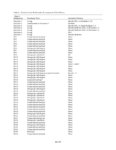
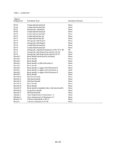
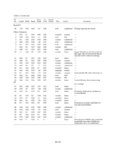
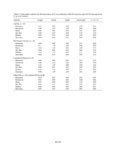
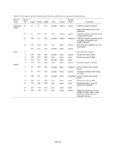
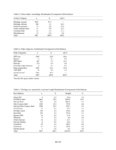
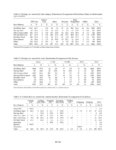
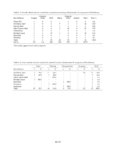
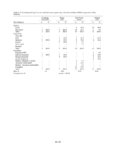
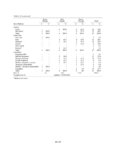
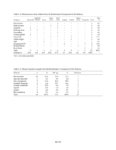
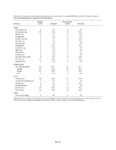
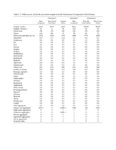
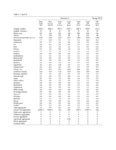
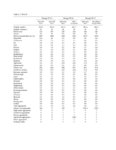
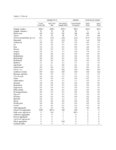
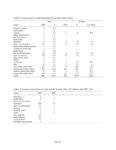
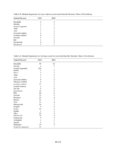
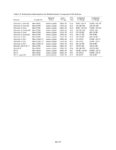
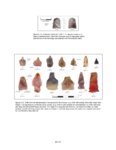
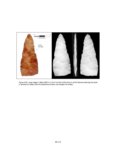
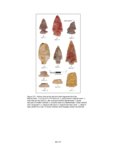
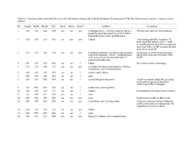
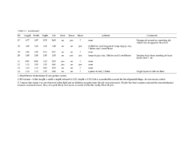
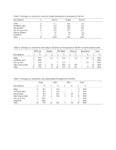
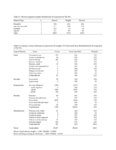
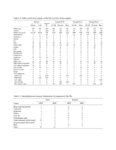
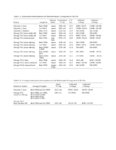
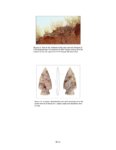
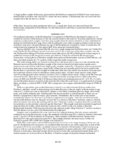
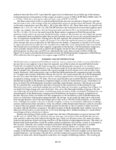
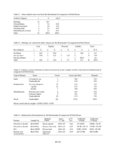
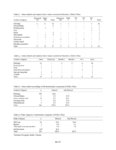
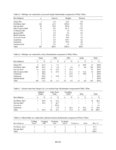
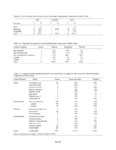
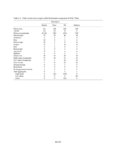
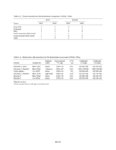
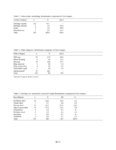
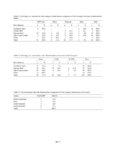
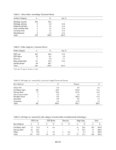
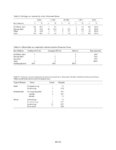
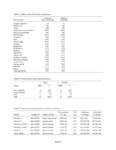
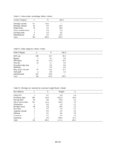
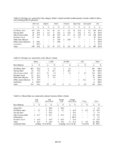
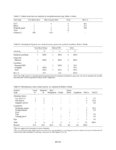
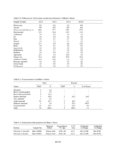
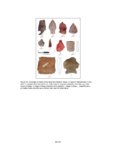
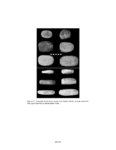
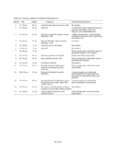
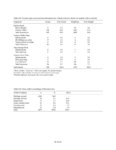
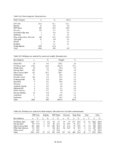
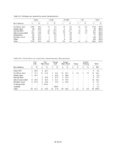
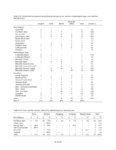
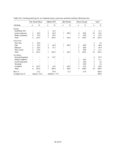
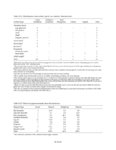
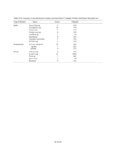
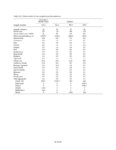
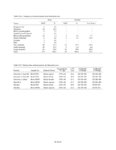
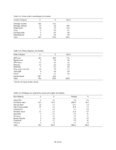
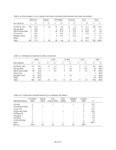
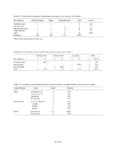
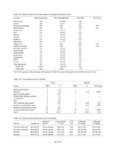
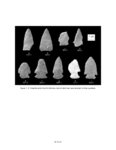
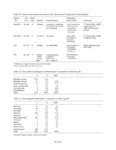
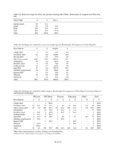
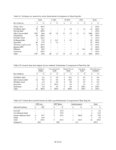
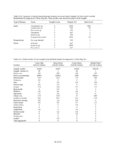
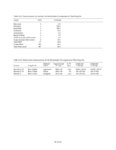
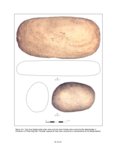
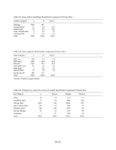
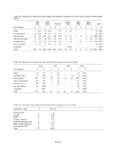
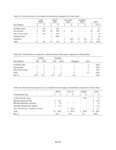
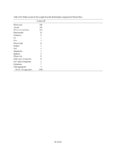
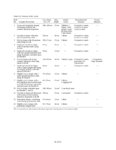
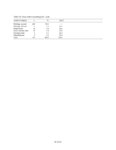
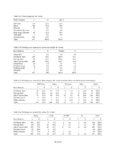
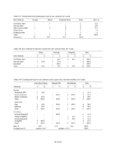
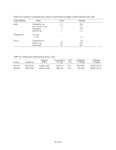
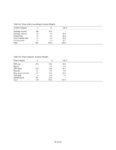
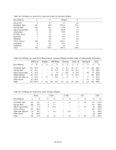
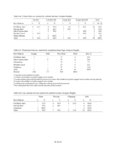
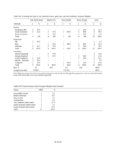
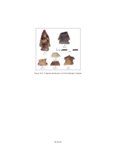
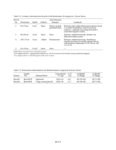
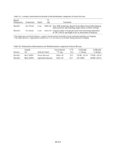
Show site. The combination of no cortex and the high proportions of flake types from later stages of the manufacturing sequence indicate that primarily thinned blanks were brought into the site to be further reduced into usable tools. Despite the abundant evidence that biface reduction was emphasized, evidence of intentional thermal alteration or heat treatment of rock by the Basketmaker II occupants is essentially lacking. We identified just 3 flakes out of 3805 as heat treated and a fourth flake as possibly heat treated. Yet, 60 flakes showed evidence of having been burned, so perhaps the few examples of heat treatment were merely fortuitous. Table 14.6 shows that 57 tool spalls or rejuvenation flakes were identified in the Basketmaker II assemblage. A variety of tool types are represented, but the majority of them come from bifacial tools, including the knife refurbishing flakes, biface margin fragments, and projectile point tip or tang fragments. These flakes illustrate the manufacture of various tools, their use, and the need to resharpen or rejuvenate them for continued use. Tools The composition of the lithic artifacts from this component of the site is consistent with the debitage identified, in terms of both raw material types and technology. As shown in Table 14.7, of 36 tools from the Basketmaker II component, more than half are flaked facial tools. Given the debitage evidence for intensive biface reduction, this finding is expectable. That the occupants undertook activities other than biface production is evidenced by the utilized flakes, which comprise 30 percent of the tool assemblage, with core/nodular tools and grinding tools each comprising another 8 percent. Given the proportion of Navajo chert in the debitage assemblage, it is no surprise that tools of Navajo chert comprise well over half of the assemblage. Utilized Flakes. Eight of 11 utilized flakes are of Navajo chert; the others are of Owl Rock chert and Glen Canyon chert (Table 14.8). Half of the utilized flakes were used in cutting activities, 40 percent were used for scraping tasks, and one flake was used as a chopper. It is probably significant that all but one of the used flakes is from DFP core reduction (90.9%); this means that 9 percent of all DFP core flakes from the component were used. In contrast, the single used biface thinning flake constitutes less than 1 percent of all biface thinning flakes. This indicates to us that biface reduction had but a single objective-the production of a final thinned tool form-and that the debitage from this process was all considered waste. When a flake was desired for some simple task a separate strategy was used-that of DFP core reduction. Flaked Facial Tools. Of the 19 flaked facial tools from the Basketmaker II component, all but one are bifacially worked. (Table 14.9), and six of these had been formalized as projectile points. Eight of these had been bifacially thinned, but all were fragmentary and thus could not be further identified. No early stage bifaces were found at this component. Based on the proportions of bifaces at various stages and the nature of the debitage assemblage, it appears that the goal of reduction was to produce projectile points, or at least point preforms such as the group of 16 found together in a hunter's tool kit (Cache 1) at Sand Dune Cave (Lindsay et al. 1968: Figure 23). Ten of the bifaces are of Navajo chert, one is of Glen Canyon chert (a fine-grained, gray variety likely from the Honaker Formation along the San Juan River), and the other is of petrified wood. Of the six projectile points, four are of Navajo chert, one is of Owl Rock chert, and one is of petrified wood. Unfortunately, each of the points is also fragmentary and only one could be identified as a western Basketmaker II Corner-notched. A stem fragment of nearly identical dimensions and shape is also likely from a western Basketmaker II Corner-notched point. The only non-bifacially flaked tool is a denticulate end-scraper of Owl Rock chert. The "teeth" on the distal portion of this thin flake have slight use-wear. Cores and Nodular Pieces. Three artifacts are included in the core and nodular tool category. One of these is an unflaked sandstone nodule used as a hammerstone, one is a core used as a pecking stone (it has battering wear), and the third is an unused core. Both of the cores are of Navajo chert. Grinding Tools. Three small fragments of slab metates are the only grinding tools recovered from the Basketmaker component. Two of these fragments came from below the surface, so they are unlikely to be intrusive from the Puebloan component. All three are made of local Navajo Sandstone. What these slab fragments signify at the site is problematic. III.14.4 |