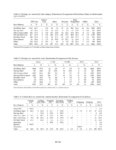
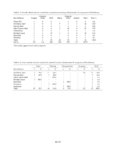
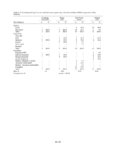
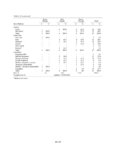
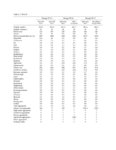
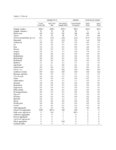
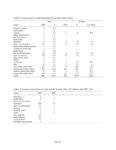
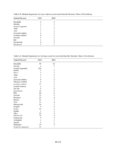
| OCR Text |
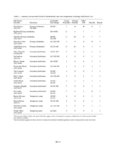
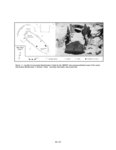
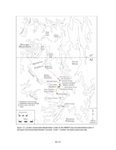
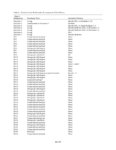
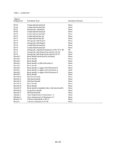
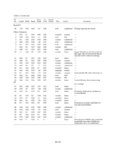
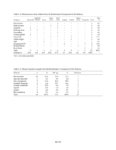
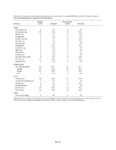
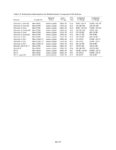
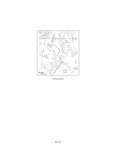
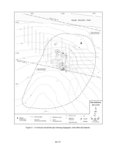
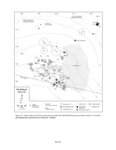
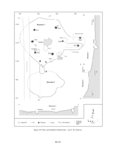
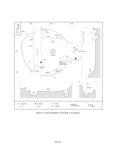
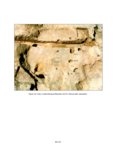
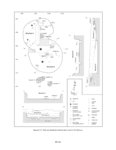
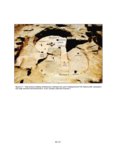
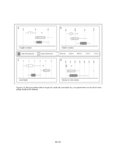
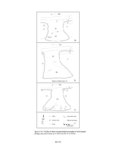
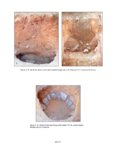
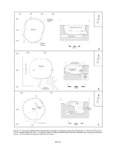
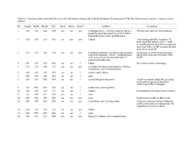
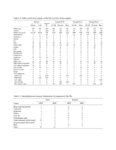
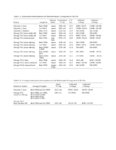
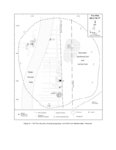
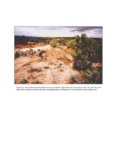
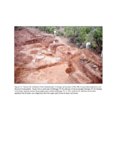
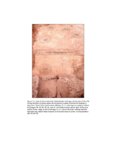
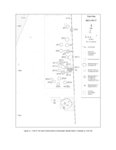
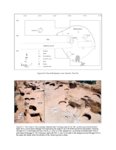
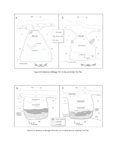
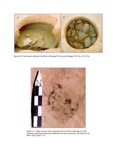
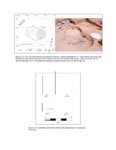
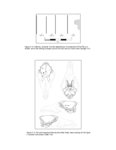
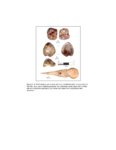
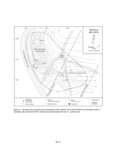
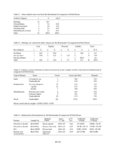
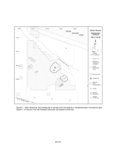
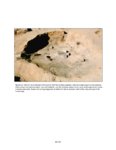
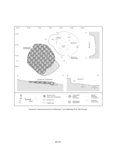
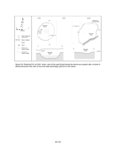
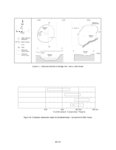
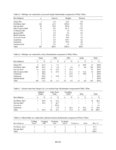
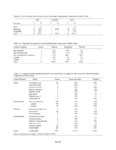
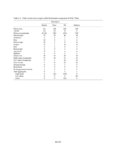
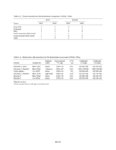
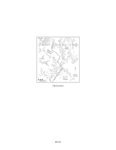
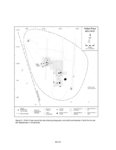
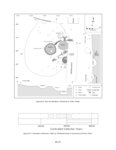
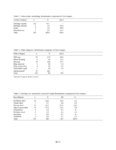
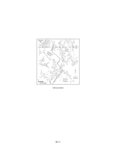
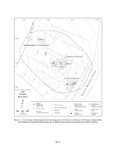
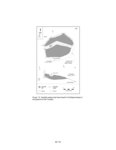
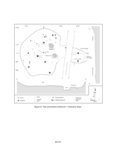
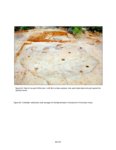
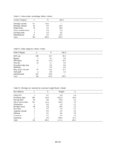
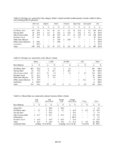
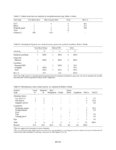
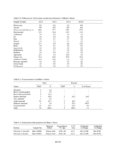
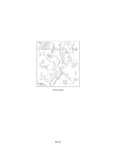
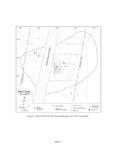
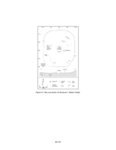
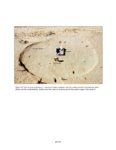
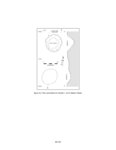
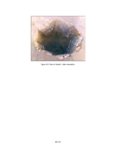
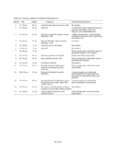
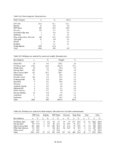
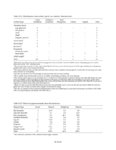
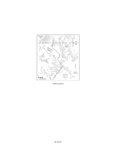
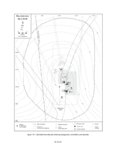
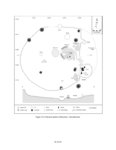
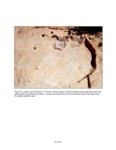
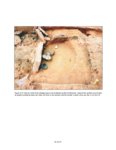
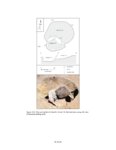
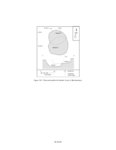
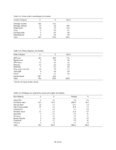
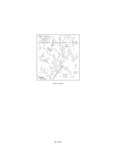
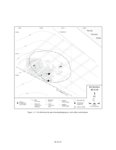
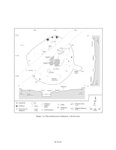
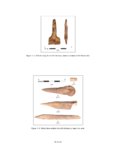
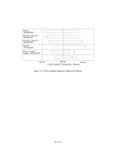
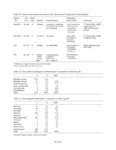
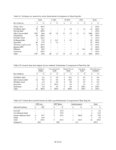
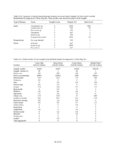
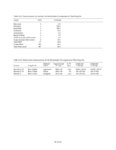
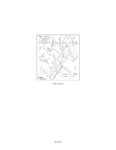
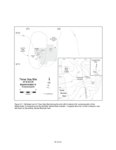
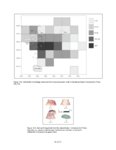
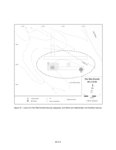
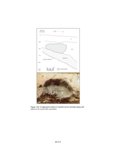
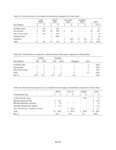
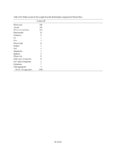
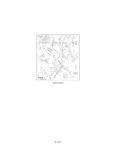
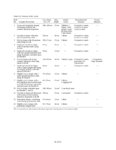
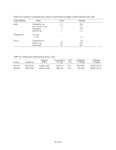
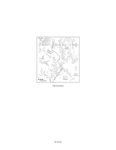
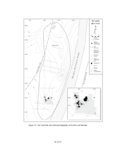
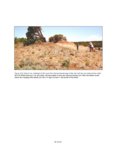
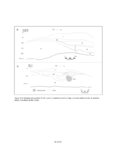
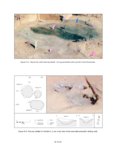
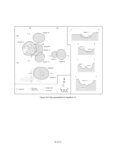
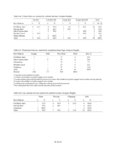
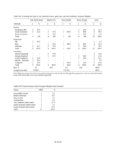
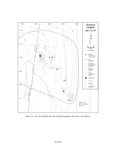
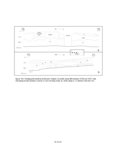
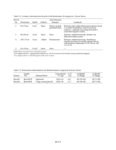
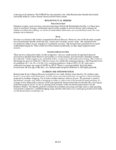
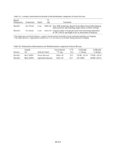
Show boundary of Stratum III, and only the fortuitous spatial separation between the activity areas from these two periods allowed for a degree of confidence in assigning extramural features and nondiagnostic artifacts to the appropriate component. After further study of the site stratigraphy, it was clear that the dark charcoal-stained cultural stratum found during extent testing at the base of Stratum IV could not be Basketmaker in age, and must be Archaic. Correct assignment of the aceramic remains in the northwestern area to the Basketmaker II period was based on radiocarbon dates, the presence of maize, and artifactual content. Most features related to the Basketmaker component were probably destroyed by the current N16 road alignment, completed in the 1970s. Based on the types of features that remained intact east of N16, the Basketmaker component was probably a small habitation, perhaps similar in scale and function to Polly's Place or Panorama House (see Chapters 6 and 8, this volume). Road construction destroyed any structures that were present, which were probably situated to the north or west of the intact extramural features and sparse trash deposits. Investigation of the Basketmaker component began with Hearths 32 and 33 (see Figure 12.1). Hand excavation expanded outward from these features to include just over 30 sq m, as well as Pits 1 and 2. The charcoal-stained cultural stratum containing lithic artifacts and faunal bone was easily traced along the upper boundary and slightly within Stratum III, and all of the Basketmaker features extended into Stratum III. In the western half of the hand-excavation area the loose eolian surface sand (Stratum I) was quite thin, so we excavated and screened it as part of the Basketmaker II cultural stratum. Occasional sherds recovered in the screens attest to a small amount of Puebloan material in this area, but the bulk of recovered artifacts from this area are clearly Basketmaker II. Stratum I thickened toward the east, and excavation along the eastern edge of the block area produced slightly more Puebloan ceramics from the upper layer. Consequently, all material from Stratum I in the eastern area was included with the Pueblo III component, whereas artifacts from Stratum III were considered Basketmaker. There may be occasional Puebloan lithic items in the Basketmaker collection recovered from hand excavations, but patterns in the technological analysis indicate that the vast majority reflect preceramic use of the site. Hand excavation ceased as we moved eastward, when the artifact density decreased and more than three contiguous units were excavated without exposing a feature. Mechanical stripping of the surrounding area produced two additional pits, but radiocarbon dating of maize from one of the pits demonstrated that these features were part of the Puebloan occupancy. FEATURE DESCRIPTIONS The four features assigned to the Basketmaker II component at Three Dog Site are two hearths and two pits (Table 12.1). It seems certain that additional contemporaneous features once existed, but were destroyed by construction of the N16 road alignment during the 1970s. The presence of small storage pits and the quantity and diversity of associated lithic artifacts suggest that at least one structure was present during the Basketmaker period. The use of wild food resources that become available at different times of the year also indicates that the site functioned as a habitation, where collected supplies were stored for future use. The lack of a defined midden, however, may be evidence that the Basketmaker occupation was seasonal or temporary in nature. Because the Basketmaker occupation surface was also the subsequent Puebloan occupation surface, intensive Puebloan activity in the area doubtless also eradicated some traces of the Basketmaker II component. Indeed, various diagnostic Basketmaker II artifacts were recovered from Puebloan features or on the occupation surface surrounding Puebloan structures, making it obvious that Basketmaker II remains had been incorporated as part of the Puebloan components. Hearths 32 and 33 were identified during testing as a single thermal feature. Full excavation proceeded under that assumption, and it was not until the feature was almost completely excavated that two basins became evident. The two hearths overlapped substantially and it was difficult to determine which was constructed first. Hearth 32 was visible at a slightly higher level in the cultural stratum, suggesting that it may have been the second hearth. The fill of the two hearths was not visibly distinct and charcoal within both features appeared quite "fresh," especially considering the shallow covering of eolian sand and the likelihood that the hearths were periodically exposed on the surface by cycles of eolian erosion and deposition. The fill within both basins consisted of dense charcoal and charcoalstained sand, and several small pieces of burned sandstone were found within the fill of Hearth 33. The two hearths together produced 13 flakes, 27 pieces of bone, and a typical Basketmaker II bone gaming piece. Two of the bones were identified-a woodrat (Neotoma sp.) femur and the palatine bone of a jackrabbit (Lepus spp.)-with the rest unidentified. All but four fragments of bone were burned, including the two identified remains, suggesting that the bones were tossed into the features during their use. Fuel used for the hearths was sagebrush as well as pinyon pine and juniper trees. A radiocarbon sample of sagebrush charcoal produced a date of 2020 ± 40 BP (Beta-135694), which is about 200 III.12.2 |