| OCR Text |
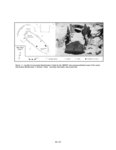
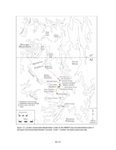
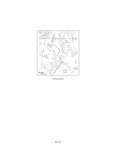
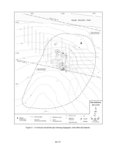
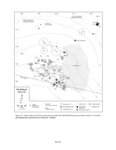
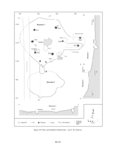
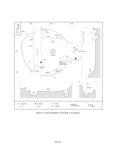
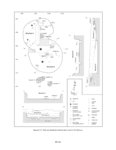
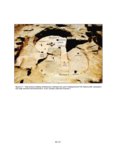
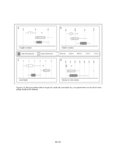
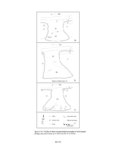
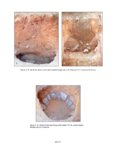
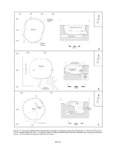
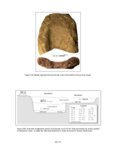
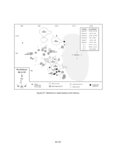
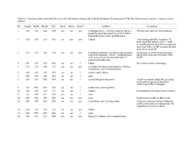
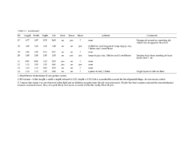
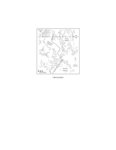
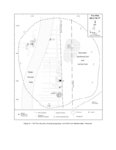
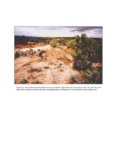
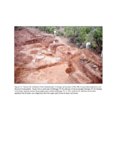
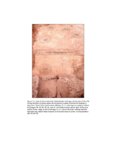
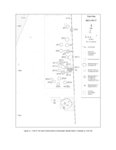
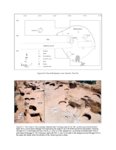
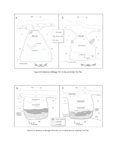
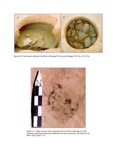
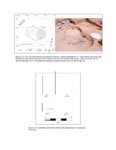
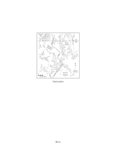
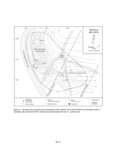
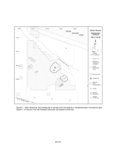
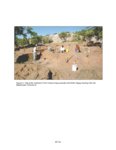
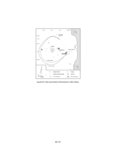
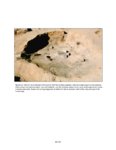
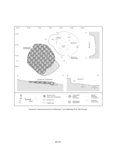
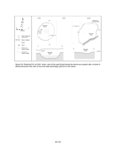
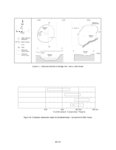
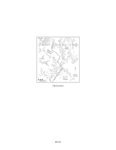
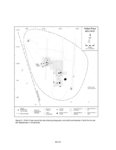
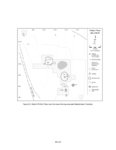
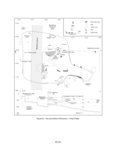
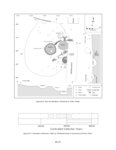
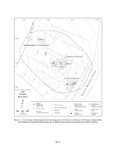
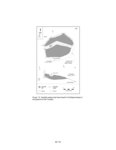
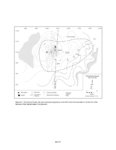
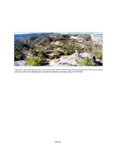
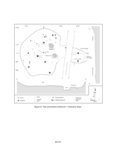
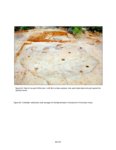
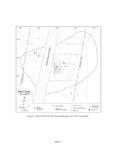
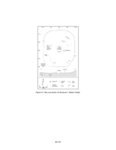
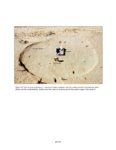
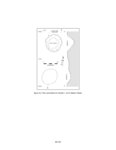
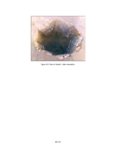
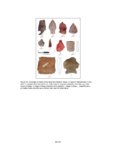
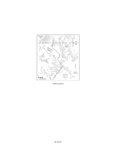
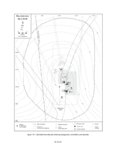
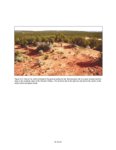
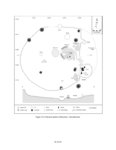
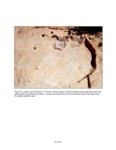
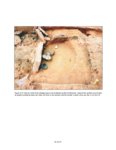
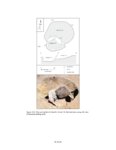
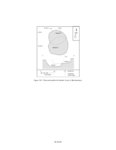
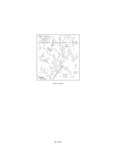
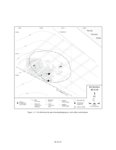
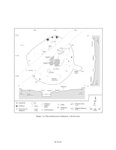
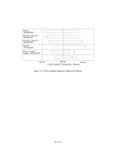
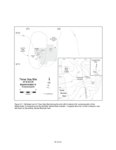
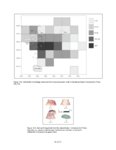
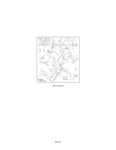
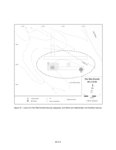
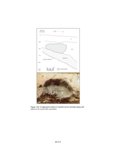
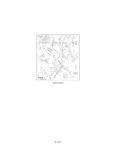
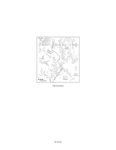
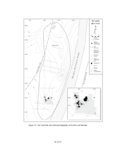
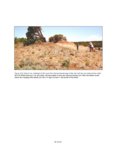
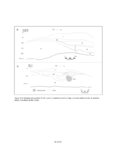
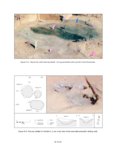
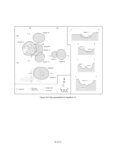
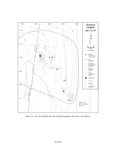
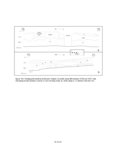
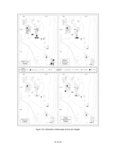
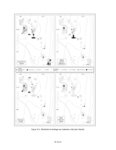
Show hand-excavation units and additional trenches confirmed that it was part of the Archaic layer (Stratum VI). Also prior to hand excavation, most of the backfill within one of the extent testing backhoe trenches was shoveled out to re-expose the strata. The deposits revealed in this trench were identical to the layers documented during significance testing, including the two buried preceramic strata (Strata IV and VI). The next task, hand excavation, was directed at recovering an assemblage of artifactual and nonartifactual remains from Stratum VI, the buried Archaic layer. Toward this goal, 35 sq m of Stratum VI was excavated by shovel and trowel and screened with 1/8" mesh (the hand-excavation area depicted in the upper left corner of Figure 3.1). With the additional 4.5 sq m of Stratum VI excavated during the testing phases, the total excavated portion of the Archaic deposit was almost 40 sq m. Given its 10 cm average thickness, the volume of cultural deposit removed and screened was about 4 cubic meters. The overburden from most of the 35 sq m was shoveled out, although in a small area where the Basketmaker II Stratum IV was evident, it too was screened. The contact between the overburden and Archaic stratum was subtle, so care was taken with overburden removal. Workers also cut a few centimeters into the underlying sterile Ck horizon (Stratum VII) to be sure that no features were present. The recovery rate from most of Stratum VI was low. During this task, five basin-shaped hearths were discovered and excavated. Three of these (Hearths 8-10) were found prior to reaching the Archaic stratum and were likely all associated with the Basketmaker II component. The other two hearths were Archaic in age (see Chapter 3 of Volume II). Following hand excavation, a backhoe excavated two perpendicular 1.2 m wide trenches adjacent to the hand-excavated areas. This provided additional stratigraphic exposures of the natural and cultural strata for geomorphic study and pollen sampling. The Archaic Stratum VI was evident in both trenches. A sample of remains (flakes and charcoal) was obtained from this layer north of the hand-excavation area by cutting a chunk of Stratum VI from the east face of the trench (N110.5 to N112.0/E101.2 to 101.5) and screening the sediment. Work on the site portion east of the Navajo Mountain road began by cleaning the backdirt from the portions of the extent testing backhoe trenches and test units where 10 features had been identified. Upon re-examining these suspected features, five were determined to be either natural root burns or naturally dark stained portions of the buried A horizon (Stratum VI) that were mistaken for hearths. Various-size areas were excavated around the five real cultural features, plus two others evident on the surface, to expose them in plan view; the features were then excavated. Two of these were found to be part of the same surface structure (Structure 1), and the other five features turned out to be hearths, one assigned to the Archaic component within Stratum VI (Hearth 3) and the others assigned to the Basketmaker II component (Hearths 4, 6, 7, and 11). Backhoe trenching commenced upon completion of hand excavation (Figure 3.3). The first trench was 90 m long and oriented north-south to crosscut all of the previous extent testing trenches. This trench was needed to clarify the nature of site stratigraphy east of the Navajo Mountain road, an issue that was unclear at the start of data recovery. The trench was excavated near the right edge of the N16 ROW so as to cross a sandy ridge that seemed the most promising area to discover additional features. By good fortune, this trench sectioned six deep pits, revealing a previously unknown aspect of the site that became the focus of the data recovery effort-a Basketmaker II storage pit complex. The trench also revealed that the strata east of the road were identical to those west of the road. This included the buried A horizon (Stratum VI) that contained Archaic artifacts, except that east of the road no artifacts were found within it, despite the presence of at least one isolated Archaic hearth (Hearth 3). Additional backhoe trenches were then excavated to fill in between the eight extent testing trenches east of the road. These additional trenches, totaling 220 linear meters, were oriented east-west and placed so that the final trench interval east of the road, except for where the pits were discovered, was between 2 and 5 m. Two additional pits and a hearth were disclosed in these trenches. Rather than trench the pit area any further, we mechanically stripped it of overburden to an average depth of about 80 cm below the present ground surface to search for additional pits or other features (Figure 3.4). A rectangular area of about 436 sq m that abutted the ROW was stripped, revealing 16 additional pits in plan view (representative profiles of pits were already provided by the trenches). This method eliminated the ground surface origin of the pits and any cultural remains that may have been scattered on the old surface around the pits, but greatly expedited their discovery and subsequent excavation. This method was unavoidable given our time and budget constraints. A cambic soil horizon (Stratum II), which had developed over and within the Basketmaker II stratum, made excavation and screening of the Basketmaker II cultural layer quite difficult, as was revealed by hand excavation of several square meters around Hearth 4. The work around this feature and Structure 1 also disclosed that few remains occurred within the Basketmaker II stratum for this portion of the site; thus, we believe that the number of artifacts |