| OCR Text |
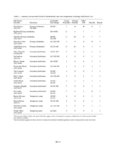
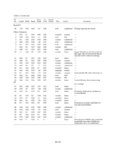
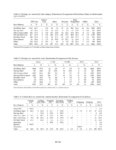
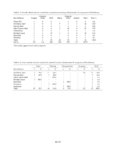
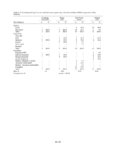
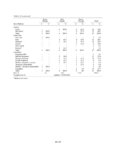
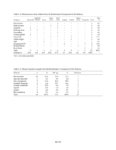
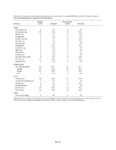
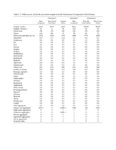
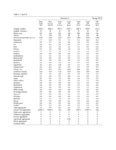
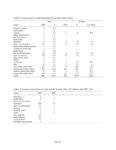
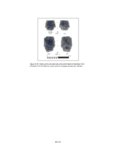
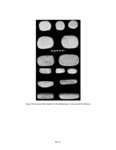
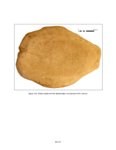
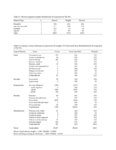
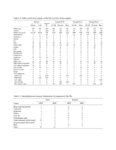
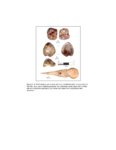
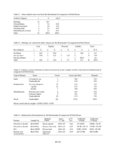
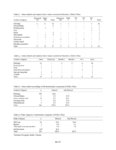
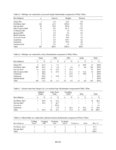
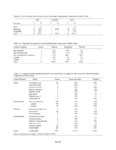
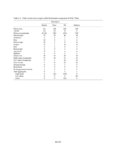
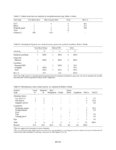
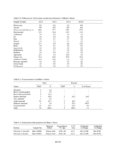
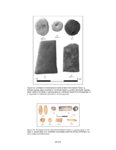
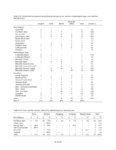
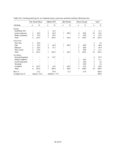
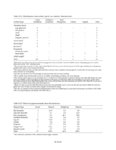
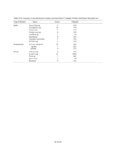
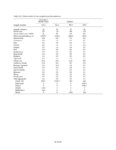
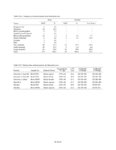
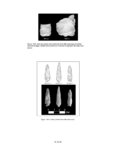
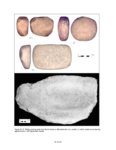
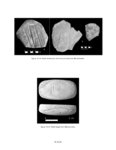
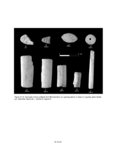
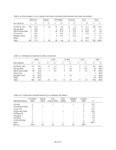
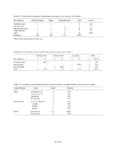
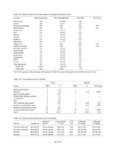
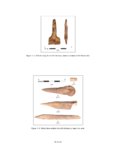
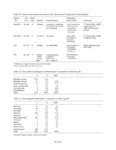
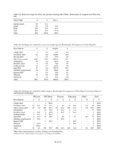
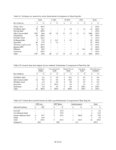
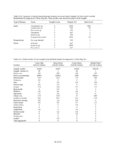
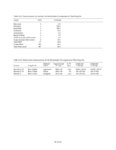
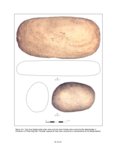
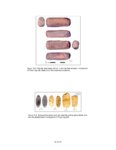
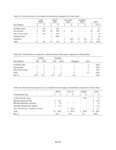
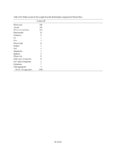
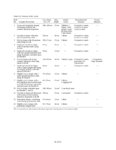
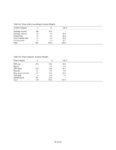
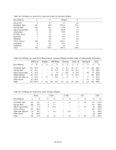
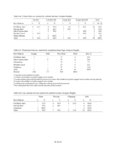
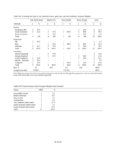
Show storage of food resources. Both goosefoot and corn are harvested in the late summer or autumn, whereas ricegrass and tansy mustard provide some of the earliest food available in the late spring and early summer. Flotation samples from hearth and pit fill contained both charred goosefoot and ricegrass seeds, demonstrating that seeds were stored for at least half a year. Maize remains recovered from the hearths may also support an interpretation of the site as a Basketmaker domicile, as this resource is ubiquitous at other habitation sites along the N16 corridor, but rare from limited activity sites. The presence of several whole and partial grinding tools demonstrated that food was prepared at the site. The two-hand mano recovered from the cache near Pit 1 was certainly a tool used to process maize; such a large mano would be unnecessary and quite ungainly for processing the small seeds of wild plants such as goosefoot or ricegrass. The presence of pigment stones demonstrates additional activities at the site unrelated to subsistence. Recovery of several bone gaming pieces lends additional support for seasonal or longer-term habitation at Three Dog Site, as these items are rarely found at Basketmaker camps. III.12.9 |