| OCR Text |
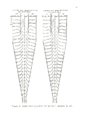
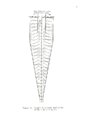
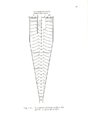
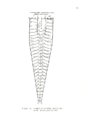
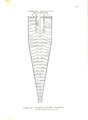
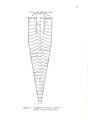
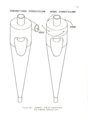
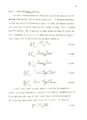
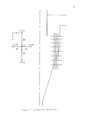
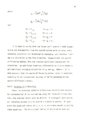
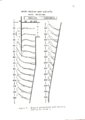
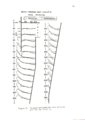
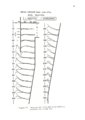
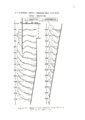
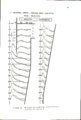
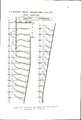
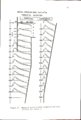
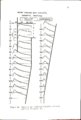
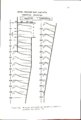
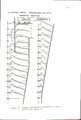
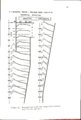
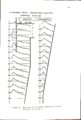
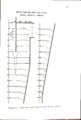
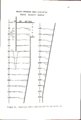
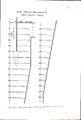
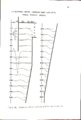
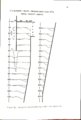
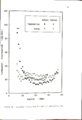
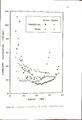
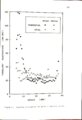
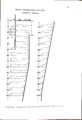
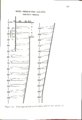
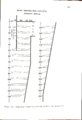
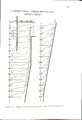
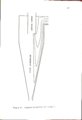
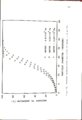
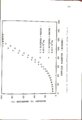
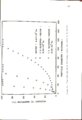
Show 77 values of the axial- and different tangential-velocity components measured at angles by LDV will be compared with the model predictions. Since there are LDV measurements no on the only the model predictions will be shown radial-velocity component, and discussed. In the mean time, the effective-viscosity profiles in the tangential direction, which the are sum of both laminar and turbulent viscosity, will also be shown. I-VI The predicted are compared in Figures 21-26 respectively. and experimental axial-velocity profiles cylindrical section, it tude of the axial flow on with the flow at exception lateral of the vortex finder is the vortex finder predicts zero axial in turn varies the of the shape velocity. at the also well predicted experiments tion of total The can be found consistant a Secondly, the model liquid/air interface, which again, which ensures predictions the accurate predic volumetric flow through the apex. experimentally measured and the velocity tangential ponding velocity computed I-VI 27-32 shown some axial-velocity profile in that region. from the are to seems part, however, In the vicinity of the apex, close agreement between model and magni short-circuiting First of all, there is boundary layer thicker The and tip, where the model In the conical have been observed. shift of locus of a that the flow reversal seen over-predict the downward flow. discrepancies In the inlet and the precisely predicted. are the outer wall be can for series in Figures served force-free vortex is fluid-dynamic equations respectively. The corres for series experimentally ob model the by equations. closely predicted |