| OCR Text |
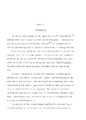
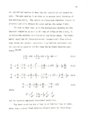
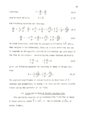
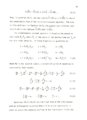
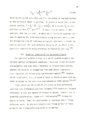
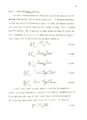
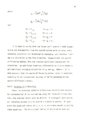
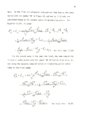
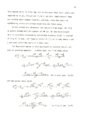
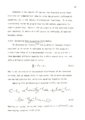
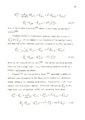
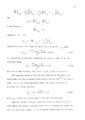
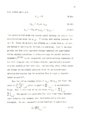
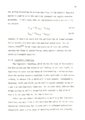
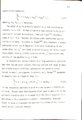
Show 53 of the hydrocylone radius as the mixing length with speaking, however, the turbulent mixing length radially inside the hydrocyclone, tion of position. e.g., the both varies the turbulence model form of the Prandtl used far from the solid mixing-length model, mixing-length concept and solved the full boundary applied was comparisons ratio 4.4) data for flow fitted with determined the were a a Clayton tions in cylindrical a respect of and velocity profiles tions for axial and was axial and Both tangential two a experimental diffuser mean (area swirling coaxial between flow tubes of and form to account for mixing-length and K-£ models were theory and experiment in obtained. tangential mixing length of the aforementioned works, the boundary. of the Navier-Stokes equa statement good agreement simple The analysis of Morsi coordinates written in turbulent-velocity components. then examined, length. general the of turbulent along the axisymmetric annulus formed between commenced from a provided realistic pre- 16.5° conical principal characteristics same was Meanwhile, Morsi tailpipe. different diameter but the near made with available through In their work, while the Van-Driest modifi Okhio et al. claimed that their simple model axial-velocity func- a Okhio, Horton Navier-Stokes equations with finite-difference method. dictions when and axially mixing length is swirling flow through wide-angle conical diffusers cation to the Strictly success. expressions Since separate were prescrip recommended for the by both mixing length directions of this modelling work are as in follows: - 1 = m z (4.20a) |