| OCR Text |
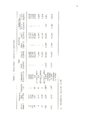
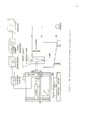
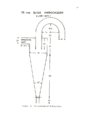
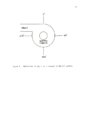
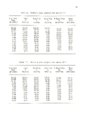
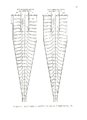
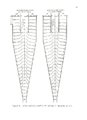
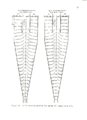
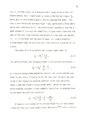
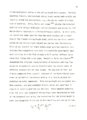
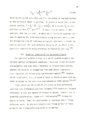
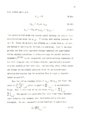
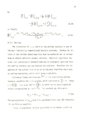
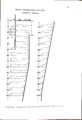
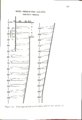
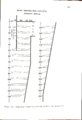
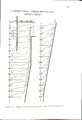
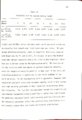
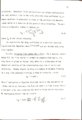
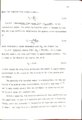
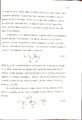
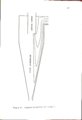
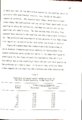
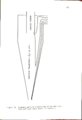
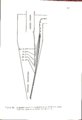
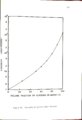
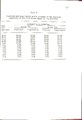
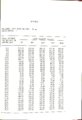
Show 18 Since the viscosity of sought. slurry system is higher than that of a glycerol-water mixtures pure water, the next three sets of experiments glycerol Newtonian fluids. and water viscosity around 1300 to 1400 cp. ity of the mixture two sets water mixture of decreases of was experiments at run a were a The viscosities of glycerol analyzed with a and of two Accordingly, obtained from these curves operating experiments are predictions conditions rig, which was consisted of eter, and rigs a a were used to 1:3 a 3 of about were was to conduct size- traverse measure system. of experiments were by weight respectively. experiments to as sets were used to validate the model. the aforementioned eight sets I. Experimental Rigs set up hydrocyclone, so regarding listed in Table 3.2 Two test Pa with experiments with the 75-mm glass hydrocyclone using compare with the model The glycerol- The last set viscosity program carried out with 4.88% and 10.47% limestone separation 4.00xl04 Pa, respec- Haake RV 12 viscometer. dilute limestone slurries. The of 10 cp. a the viscos- glycerol-water mixtures The second task of the experimental classification 4 1:1 carried out with drop of a increase of water Pa and 3.33xl0 viscosity pressure Both slurries. When mixed with water, 4 for Food-grade glycerol has glycerol-water mixture by volume, which has cp. real exponentially with the by volume that has experiments the fluid media as to simulate At pressure drops of 4.67xl0 content. tively, are used were a during this investigation. the The first velocity profiles of the liquid, pump and sump, A schematic a laser-Doppler drawing of this test velocim- rig is |