| OCR Text |
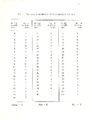
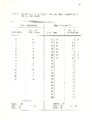
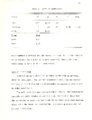
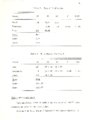
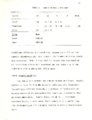
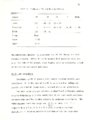
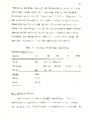
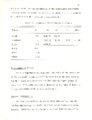
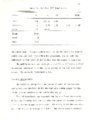
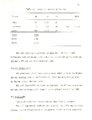
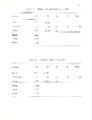
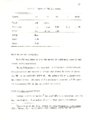
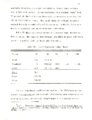
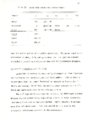
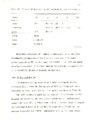
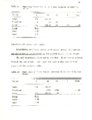
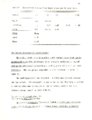
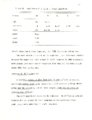
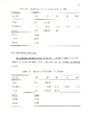
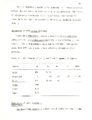
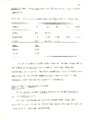
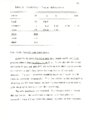
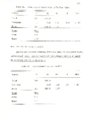
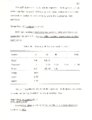
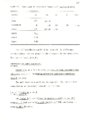
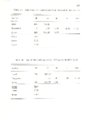
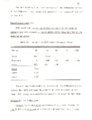
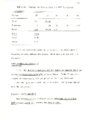
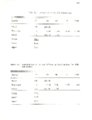
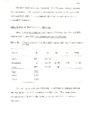
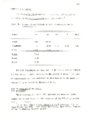
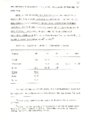
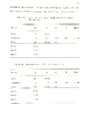
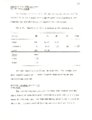
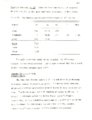
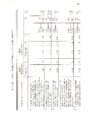
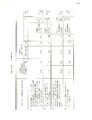
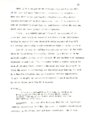
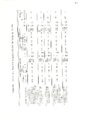
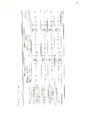
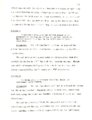
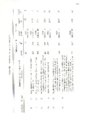
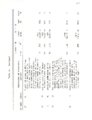
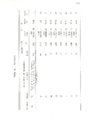
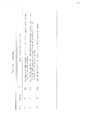
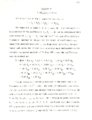
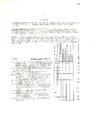
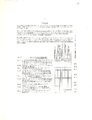
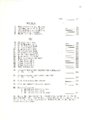
Show 72 country-wide computation for school year 1974-1975 shows ROTC detachments had MS III enrollments of less than of all 284 senior ROTC detachments. shows that elimination of be made and still ment groups to retain perform a or statistical precluded eliminating deviations. a percent high enroll The decision analysis. to eliminate the middle group and thus between the two extreme groups. 51 generally average group, could numbers in the low and adequate or An examination of distributions middle, a 17, that 145 was made the differences emphasize The skewed nature of the distribution segment of the sample in terms of standard The group selected for elimination consisted of all detachments in the sample with enrollments of > 14 left 68 detachments with MS III enrollments of 13 obviously substandard enrollments of 21 or or < or 21. This step less in the lower group and 59 detachments with MS III greater in the successful or upper group. Table 2 presents frequency distributions of the two groups used in the analysis of variance and multiple regression analysis discussed in Sections II and III of this predictive model discussed chapter and, finally, used in the in Section IV. Section II Analysis of Variance (ANOVA) This section presents the one-way two categories of detachments defined in the first group is termed substandard, MS III analysis of variance for the enrollment. It contained 67 average 8.9 cadets enrolled. previous section. the lower group, based on samples of data, and' had an or The second group was The cadet termed successful, |