| OCR Text |
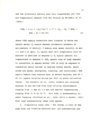
Show 1 2 • exercise comparison, in effectively dissipate this theoretical environment may microclimate and enhance both convective and thermal heat evaporative Heart loss. the rate, major is cardiovascular system, (Rubin, body temperature for every exercise. control mechanism tightly coupled 1987). the that reported (1970) hyperconvective (windy) a heart rate degree Celsius rise in and Raven stevens increases and Collision about 7 bpm temperature during core (1988) in increases to stitt, Jose, the of suggested progressive temperature-related increase in that heart this rate . begins after 50% maximal of least at minutes 10 a decrease arterial blood pressures in stroke (Rowell, stroke volume The magnitude. the decrease for the the periphery are of heart rate to in in heart rate and influenced by the need redirect to supply fluid and systemic Cardiac output increase the system and changes in in blood pressure may be cardiovascular occurs in direction and equal opposite magnitude volume 1986). remains nearly constant because the and exercise at greater than This heart rate drift capacity. concurrently with of the blood more sweat glands flow to to defend . core while temperature muscles to supply the active with oxygen and substrate. There is also a gradual increase in exertion during prolonged Klausen, continuing Knuttgen, (Hagberg, Mullin, and Peterson • • , . • oxygen (1971) & consumption Nagel, 1978). first noted this by |