| OCR Text |
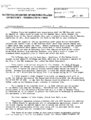
Show Form No. 1£)-300a (fiev. 10-74) UNITED STATES DEPARTMENT OE THE INTERIOR FOR NFS USE ONIY NATIONAL PARK SERVICE RECEIVED nnf ?• 2 '1976 NATIONAL REGISTER OF HISTORIC PLACES INVENTORY -- NOMINATION FORM CONTINUATION SHEET ITEM NUMBER DATE ENTE8ED 8 JUN 15 1978 PAGE Brigham Young had acquired some acquaintance with the Elk Mountain region in reports of Indian activity along the Old Spanish Trail, which crossed the Colorado River at the future mission site, and in reports from the John W. Gunnison expedition of 1853, which passed to the north of the Elk or LaSal Mountains. During the summer of 1854 an exploration party under William HuntingtoR followed the Spanish Trail to the Colorado River where they lowered wagons down a steep slope then crossed the river. Before continuing south along the Spanish Trail they abandoned their wagons and cached much of their equipment. After returning from the area of Hovenweep where they discovered many of the ancient ruins which comprise that National Monument, they left a cache of wagons and equipment which suggested plans to return and settle the area. The following April at t he Semi Annual Conference of the Mormon Church, leaders called Alfred N. Billings and forty other men to establish a mission at the foot of the Elk Mountains (now called the LaSal Mountains). There appear to be several reasons for the mission. The Book of Mormon had identified the Indians as descendants of a migration of Israelites called by God to leave Jerusalem for America several hundred years before the birth of Christ. Mormons were therefore responsible to teach the native Americans the history of their forefathers and bring them to an understanding of the true gospel. In a more pragmatic sense Brigham Young hoped the mission would work to pacify the Indians and prevent the disasterous hostilities which had characterized the Walker War of 1853. It was felt the mission could be effective in discouraging Indian raids on the fledging Mormon colonies of southern Utah. The crossing of the Colorado River at the Moab crossing was the gateway to the Mormon Zion from the Southeast. Historians have concluded that the establishment of the Elk Mountain Mission was part of a plan by Brigham Young to establish an "outer cordon" to protect the heartland of MormondoJn by controlling the approaches to the territory. The first exponent of this thesis, Andres Love Neff, wrote: "Significant expansion movements between 1851 and 1857 disclose the ambition of the Mormon Church to appropriate all the advantageous agricultural regions and key points ringing the central desert and to secure and control for the protection and accommodation of t he inner group all the strategic points along the line of advance into the Intermountain region. |