| OCR Text |
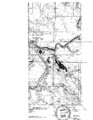
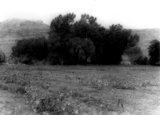
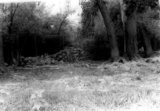
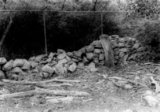
Show DESCRIPTION CONDITION CHECK ONE CHECK ONE -EXCELLENT -DETERIORATED -UNALTERED ^ORIGINAL SITE -GOOD JCRUINS JLALTERED -MOVED -FAIR _UNEXPOSED DATE -----------DESCRIBE THE PRESENT AND ORIGINAL (IF KNOWN) PHYSICAL APPEARANCE The Elk Mountain Mission Fort Site is located on the north edge of Moab approximately one mile east of the Colorado River. Since the Fort f s construction a stand of Cottonwood trees has grown up in and around the stone ruins of the Fort. The spring on which the Fort was located still flows through the area providing water for a lush pasture which borders the ruins to the west, north and east. Along the southern boundary a chain link fence has been erected which enclosed some of the cottonwood trees and an undeveloped area of willows and bushes. The site is located approximately 400 yards south of U.S. Highway 163. Along the highway a commemorative marker to the Elk Mountain Mission has been erected by the Daughters of the Utah Pioneers. The original fort was sixty-four feet square. Constructed of rock quarried in the hills about a half a mile east of the fort site. The walls were twelve feet high. Buil£ on a four-foot base, they tapered to a thickness of one and a half feet at the top. A wide gate was installed in the east wall and a narrow one in the west wall. Houses were constructed inside the fort although the exact number is not known and most were probably not completed before the fort was abandoned. A wooden corral was located in the vicinity of the fort. It was destroyed by the Indian attack on September 23rd. Part of the rock walls remain, especially along the south and north sides. Along one section of the south wall, the rocks are still piled about two and one half feet high. Three cottonwood trees have grown up inside the original fort. Some speculate that the trees mask the graves of the three missionaries killed during the encounter. The outline of the fort is still visible and the possibility for further archeological investigation is good. |