| OCR Text |
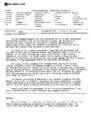
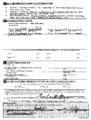
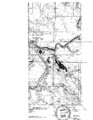
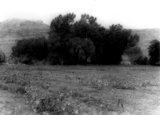
Show [1 SIGNIFICANCE PERIOD AREAS OF SIGNIFICANCE -- CHECK AND JUSTIFY BELOW -PREHISTORIC -ARCHEOLOGY-PREHISTORIC -COMMUNITY PLANNING -LANDSCAPE ARCHITECTURE -1400-1499 -ARCHEOLOGY-HISTORIC -CONSERVATION -LAW -SCIENCE -1500-1599 -JVC RI CULTURE -ECONOMICS -LITERATURE -SCULPTURE -1600-1699 -ARCHITECTURE -EDUCATION -MILITARY -SOCIAL/HUMANITARIAN -1700-1799 _ART -ENGINEERING -MUSIC -THEATER --1800-1899 -COMMERCE ^EXPLORATION/SETTLEMENT -PHILOSOPHY -TRANSPORTATION -1900- -COMMUNICATIONS -INDUSTRY -POLITICS/GOVERNMENT -OTHER (SPECIFY) X-RELIGION -INVENTION SPECIFIC DATES 1855 BUILDER/ARCHITECT Alfred N. Billings STATEMENT OF SIGNIFICANCE The Elk Mountain Mission Fort Site represents one of the most interesting and exciting episodes in the story of Mormon settlement and Mormon-*Indian relations in Utah. The mission coincided with similar endeavors on the Salmon River at Fort Limhi, four hundred miles north of Salt Lake City and at Las Vegas four hundred miles southwest of Salt Lake City. All three missions proved unsuccessful. Good will did not prevail and the Salmon Mission and Elk Mountain Mission were abandoned after attacks by the Indians. At Las Vegas the missionary work ceased because of the constant thievery of the Indians. To Church leaders who had hoped to bring the true gospel to the descendants of those who had written and compiled the Book of Mormon, the failure of these missionary efforts was especially discouraging. The outpost at the crossing of the Colorado River was one of the most isolated locations in which the Mormons attempted to settle. Located nearly two hundred miles from the villages in Sanpete Valley the Elk Mountain Missionaries faced a long and difficult journey back to the relative security of other settlements, The deep canyons of the Colorado and Green Rivers and the treacherous San Rafael Swell left the missionaries little choice but to follow the established Indian route along the Spanish Trail. The mission did succeed in exploring a large portion of present day Utah. However, the failure to establish a permanent settlement coupled with continued Indian hostilities in the other outlying areas precluded the re-entry of Mormon settlers into the Indian stronghold of Southeastern Utah until the late 1870*s. Twenty years after the abandonment of the fort by the missionaries it was able to provide shelter for both transients and permanent settlers. HISTORY: The establishment of theElk Mountain Mission in the summer of 1855 was the first attempt at permanent settlement in present day Southeastern Utah. The location was also the eastern most point of Mormon colonization to that time. |