| OCR Text |
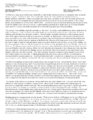
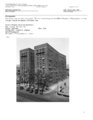
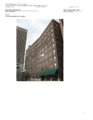
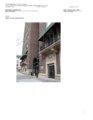
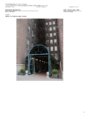
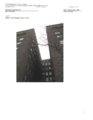
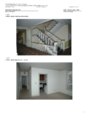
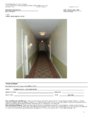
Show United States Department of the Interior National Park Service / National Register of Historic Places Registration Form NPS Form 10-900 OMB No. 1024-0018 (Expires 5/31/2012) Belvedere Apartments Salt Lake County, Utah Name of Property County and State footprint contains mechanical rooms, building support spaces and portions of the commercial spaces (now offices) that front onto Social Hall Avenue. At the entry courtyard, the ground level treatment of masonry detailing extends with terra cotta, brick masonry and tile pavers to the historic building entry, now enclosed by a c.1975 steel and glass entry vestibule for weather protection. The depth and narrowness of this courtyard and proximity of the masonry detailing and historic multi-light windows increases the historic character and experience of building entry. A steel frame, barrel vaulted canvas canopy extends from the State Street sidewalk to the building entry. While this is a newer feature, very early historic photos show two previous versions of this entry/weather protection feature; one gable-roofed and the earliest, a barrel-vaulted form that extended to the State Street curb. After passing through the historic entry, the remodeled lobby provides connection to the pair of elevators with open wrought iron stairs flanking the H-plan ‘crossbar'. These vertical circulation features continue to all upper floors and with the regular H-shaped hallway layout provide continuity throughout the building. The double-loaded corridors retain their historic character and configuration with the exception of all hallway ends, formerly terminating with exterior windows that have now been absorbed through modifications with adjacent apartments. The loss of historic termination and natural light is an impact to the corridors but remaining historic layout, historic doors, trim and other elements such as the short pass-through doors originally for setting out small dust bins from each apartment remain and the overall historic character of the original corridors is clearly evident. While apartment units at the ends of the corridors have expanded, most units retain their historic layout as well as detailing and features. Originally, on each level there were seven efficiency units, nine with a living room and either a dining or bedroom, and two units with three main rooms: living, dining and a single bedroom. (These larger units were located on the southwest corners of the front/west ‘wings' perhaps to take advantage of sunlight, views or fairly prominent locations.) In all cases, the rooms are rather small, with the average unit area of about 506 sq. ft. All units had small "buffet" kitchens and bathrooms. In-building or in-unit features and services noted in the original advertising (copy attached) such as built-in dressers were apparently intended to compensate for the compact living space. The general lack of separate, dedicated bedrooms was originally addressed through the provision of folding ‘Murphy' beds that were attached to a closet door making dining or living rooms dual purpose. (This arrangement was likely somewhat inconvenient particularly for older tenants and none of these beds remain although many ‘efficiencies' do.) Reasonably well-equipped kitchens and "tiled" bathrooms are likely nearing the end of their typical functional life span and most have been updated or modified. Built in "dressing tables, drawers and shelves" have remained in many units. Commercial spaces on the Main Level originally housed a variety of ‘support' functions for both residents of the Belvedere and local businesses. These apparently ‘fronted' onto the south Social Hall Avenue façade but likely had internal connections to the Belvedere. All original commercial spaces have been remodeled to professional offices with no original features or materials remaining visible although lay-in acoustical tile ceilings reportedly conceal some historic plaster detailing. Common spaces in the Belvedere included meeting and billiards rooms, which have also been extensively remodeled and absorbed into the professional offices and the remaining Belvedere meeting room (Main Level, center north elevation) and the building management office. Regardless of these interior changes, the overall character of the Main Level is quite compatible with the historic building. Recent exterior renovation work on the Belvedere is addressing deterioration of the steel structure supporting the west projecting balconies and terra cotta cladding. The Second Floor terra cotta support structure has been investigated and repair recommendations made including replacement in kind of unrepairable terra cotta. Ninth Floor terra cotta, heavily damaged from weathering, is being fully replaced with new steel support brackets and lightweight GFRC formed and colored to match the original terra cotta. Although not stylistically prominent, the historic Belvedere Apartments occupy an important historic location near the center of Salt Lake City and present a notable historic architectural presence, little changed from its construction. The Belvedere has strong architectural character and retains its historic integrity in addition to still functioning essentially as originally built in 1919. 5 |