| Title |
Utah Water Resources Council papers, 1980-1981 |
| Description |
From The Dorothy Harvey papers (1902-2005), a collection of materials focusing on the Central Utah Project (CUP), a water resource development program to use Utah's alloted share of the Colorado River. Includes correspondence, Harvey's writing drafts and notes for an unpublished book on the CUP, federal documents, project litigation materials, subject files, news clippings, newsletters, programs, brochures, and maps |
| Subject |
Central Utah Project; Water resources development --Environmental aspects--Utah; Water-supply--Utah--Salt Lake County; Water-power--Environmental aspects--Utah; Ute Indians--Claims; Water-supply--Utah--Salt Lake County; White River (Colo. and Utah) |
| Creator |
Harvey, Dorothy |
| Contributor |
Citizens for a Responsible Central Utah Project; Bryan, William L.; Kaeding, Beth; Osborne, Calvin; Utah Water Resources Council; Northern Rockies Action Group; Industrial Areas Foundation |
| Alternate Title |
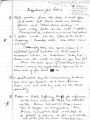
Rock Eagle Conference: Notes from the Southeastern Leadership Development Conference; Organizing for family and congregation |
| Additional Information |
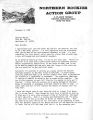
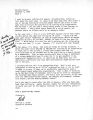
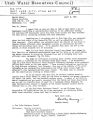
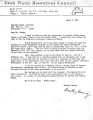
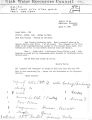
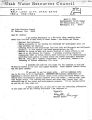
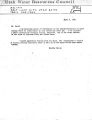
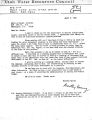
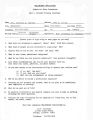
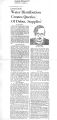
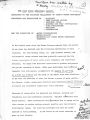
Includes: Dorothy Harvey statement for the draft EIS on Management of the Charles M. Russell National Wildlife Refuge in Montana (Nov. 14, 1980, 7 p.); Considerations for assisting Ute Indian Tribe in quantifying water for the Reservation and resolving means of allocating and storing water to and on their lands (meeting between D. Harvey and Ute Tribal Council, Jan. 22, 1981, 4 p.); Letters to D. Harvey by William L. Bryan, Executive director of the Northern Rockies Action Group, 1981 Letters by Dorothy Harvey on Utah Water Resources Council letterhead, 1981; Questions submitted by the Utah Water Resources Council Nov. 12, 1980, for the renegotiating Session between the Central Utah Water Conservancy District and the Water and Power Resources Service concerning the M&I Repayment Obligation for the Bonneville Unit of the Central Utah Project; The Rock Eagle Conference: Notes from the Southeastern Leadership Development Conference, Eatonton, Georgia, January 14-16, 1983 (28 p.); Organizing for family and congregation, by the Industrial Areas Foundation (1978, 33 p.); Utah Water Resources Council Press conference, Central Utah Project and related issues, June 29, 1981 (12 p.); Salt Lake Tribune article by Calvin Osborne, Dec. 7, 1980, "Water distribution creates queries of debts, supplies"; The utah Water Resources Council, dedicated to the balanced management of Utah's water resources... (15 p., 1981?); Other Dorothy Harvey correspondence, 1975-1983 |
| Spatial Coverage |
Colorado River Basin (Colo.-Mexico); Uinta Basin (Utah and Colo.); Uinta Mountains (Utah); Rock Creek (Duchesne County, Utah); Duchesne River (Utah); Uinta and Ouray Indian Reservation (Utah); Salt Lake County (Utah); Duchesne County (Utah); Charles M. Russell National Wildlife Refuge (Mont.) |
| Collection Number and Name |
Accn2232 bx 58 fd 10; Dorothy Harvey papers |
| Rights Management |
Digital Image Copyright 2009, University of Utah. All Rights Reserved. |
| Holding Institution |
J. Willard Marriott Library, University of Utah |
| Date |
1975; 1979; 1980; 1981; 1983 |
| Digitization Specifications |
Original scanned on Epson Expression 10000 XL and saved as 400 ppi TIFF. Display image generated in CONTENTdm. |
| Publisher |
Digitized by J. Willard Marriott Library, University of Utah |
| Type |
Text |
| ARK |
ark:/87278/s6qn65qb |
| Setname |
wwdl_neh |
| ID |
1149977 |
| Reference URL |
https://collections.lib.utah.edu/ark:/87278/s6qn65qb |
| Title |
Page 107 |
| Setname |
wwdl_neh |
| ID |
1149921 |
| OCR Text |
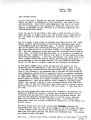
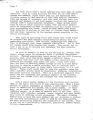
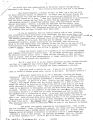
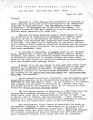
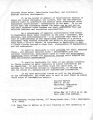
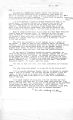
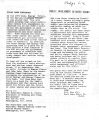
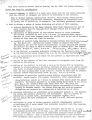
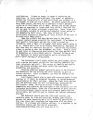
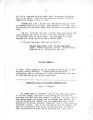
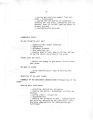
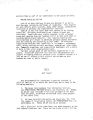
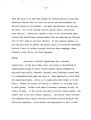
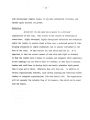
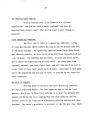
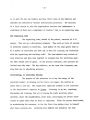
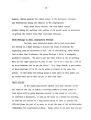
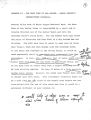
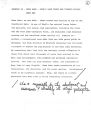
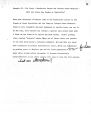
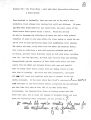
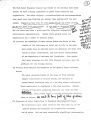
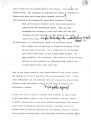
Show - 18 - meeting with the superintendent of police, who, under pressure, ordered a crackdown on narcotics traffic in that community. These are some victories, the outward signs of institutionally-based citizens' organizations, organizations which re-arrange the relationship between families and churches on the one hand, and the major money and power institutions on the other. They recognize that power tends to come in two forms: organized people and organized money. But what are the elements of such an organization, and what goes into the process of building one? Elements of an Organization of Institutions The type of citizens' organization described in this paper is rooted in institutions--in parishes, congregations, synagogues, social groups like the Lions Club or the VFW, religious orders of men and women, and perhaps a local merchants association. These organizations recognize that, in our country, one of the largest reservoirs of untapped power is the institution of the parish and congregation. Religious institutions form the center of the organization. They have the people, the values, and the money. Without church people, moderates and conservatives as well as liberals, citizens' organizations tend to be controlled by activists. Without church values, citizens' groups can get sucked into movements or relationships which can actually weaken family life or church life. And without the money, a solid dues base that builds from year to year, organizations spend most of their time raising money. The citizens' organization of this type respects and builds on the traditions and patterns of the community. It is a systematic |
| Reference URL |
https://collections.lib.utah.edu/ark:/87278/s6qn65qb/1149921 |