| Title |
Utah Water Resources Council papers, 1980-1981 |
| Description |
From The Dorothy Harvey papers (1902-2005), a collection of materials focusing on the Central Utah Project (CUP), a water resource development program to use Utah's alloted share of the Colorado River. Includes correspondence, Harvey's writing drafts and notes for an unpublished book on the CUP, federal documents, project litigation materials, subject files, news clippings, newsletters, programs, brochures, and maps |
| Subject |
Central Utah Project; Water resources development --Environmental aspects--Utah; Water-supply--Utah--Salt Lake County; Water-power--Environmental aspects--Utah; Ute Indians--Claims; Water-supply--Utah--Salt Lake County; White River (Colo. and Utah) |
| Creator |
Harvey, Dorothy |
| Contributor |
Citizens for a Responsible Central Utah Project; Bryan, William L.; Kaeding, Beth; Osborne, Calvin; Utah Water Resources Council; Northern Rockies Action Group; Industrial Areas Foundation |
| Alternate Title |
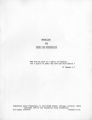
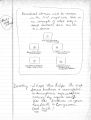
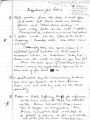
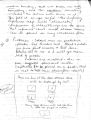
Rock Eagle Conference: Notes from the Southeastern Leadership Development Conference; Organizing for family and congregation |
| Additional Information |
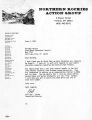
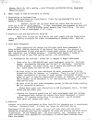
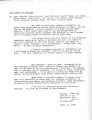
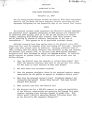
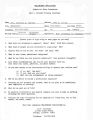
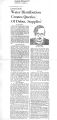
Includes: Dorothy Harvey statement for the draft EIS on Management of the Charles M. Russell National Wildlife Refuge in Montana (Nov. 14, 1980, 7 p.); Considerations for assisting Ute Indian Tribe in quantifying water for the Reservation and resolving means of allocating and storing water to and on their lands (meeting between D. Harvey and Ute Tribal Council, Jan. 22, 1981, 4 p.); Letters to D. Harvey by William L. Bryan, Executive director of the Northern Rockies Action Group, 1981 Letters by Dorothy Harvey on Utah Water Resources Council letterhead, 1981; Questions submitted by the Utah Water Resources Council Nov. 12, 1980, for the renegotiating Session between the Central Utah Water Conservancy District and the Water and Power Resources Service concerning the M&I Repayment Obligation for the Bonneville Unit of the Central Utah Project; The Rock Eagle Conference: Notes from the Southeastern Leadership Development Conference, Eatonton, Georgia, January 14-16, 1983 (28 p.); Organizing for family and congregation, by the Industrial Areas Foundation (1978, 33 p.); Utah Water Resources Council Press conference, Central Utah Project and related issues, June 29, 1981 (12 p.); Salt Lake Tribune article by Calvin Osborne, Dec. 7, 1980, "Water distribution creates queries of debts, supplies"; The utah Water Resources Council, dedicated to the balanced management of Utah's water resources... (15 p., 1981?); Other Dorothy Harvey correspondence, 1975-1983 |
| Spatial Coverage |
Colorado River Basin (Colo.-Mexico); Uinta Basin (Utah and Colo.); Uinta Mountains (Utah); Rock Creek (Duchesne County, Utah); Duchesne River (Utah); Uinta and Ouray Indian Reservation (Utah); Salt Lake County (Utah); Duchesne County (Utah); Charles M. Russell National Wildlife Refuge (Mont.) |
| Collection Number and Name |
Accn2232 bx 58 fd 10; Dorothy Harvey papers |
| Rights Management |
Digital Image Copyright 2009, University of Utah. All Rights Reserved. |
| Holding Institution |
J. Willard Marriott Library, University of Utah |
| Date |
1975; 1979; 1980; 1981; 1983 |
| Digitization Specifications |
Original scanned on Epson Expression 10000 XL and saved as 400 ppi TIFF. Display image generated in CONTENTdm. |
| Publisher |
Digitized by J. Willard Marriott Library, University of Utah |
| Type |
Text |
| ARK |
ark:/87278/s6qn65qb |
| Setname |
wwdl_neh |
| ID |
1149977 |
| Reference URL |
https://collections.lib.utah.edu/ark:/87278/s6qn65qb |
| Title |
Page 37 |
| Setname |
wwdl_neh |
| ID |
1149851 |
| OCR Text |
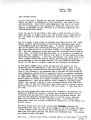
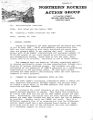
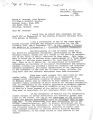
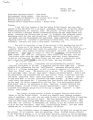
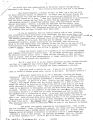
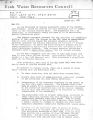
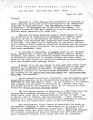
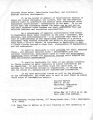
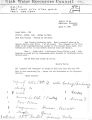
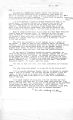
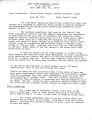
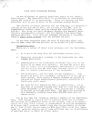
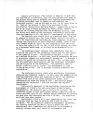
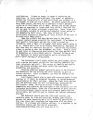
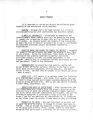
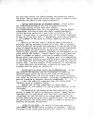
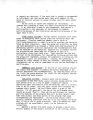
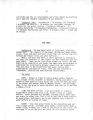
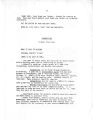
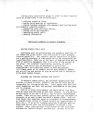
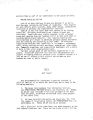
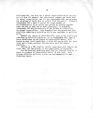
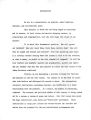
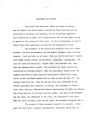
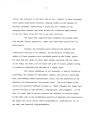
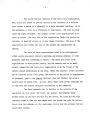
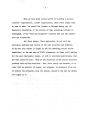
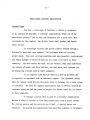
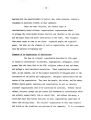
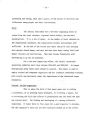
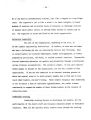
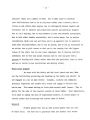
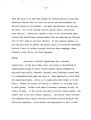
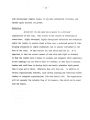
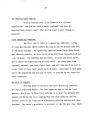
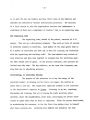
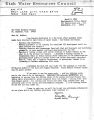
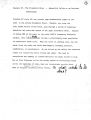
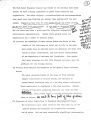
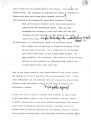
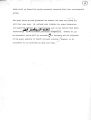
Show U T A H W A T E R R E S O U R C E S C O U N C IL P.O. Box 1713 Salt Lake C i t y . Utah 84110 April 15, 1981 Friends: Enclosed is a News Release with information on hearings on water resources policy and project development by the Senate Subcommittee on Water Resources. The Subcommittee plans a number of hearings - in Washington and in the field this summer - to provide a foundation that will enable it to write the first significant water resources bill since 1976. * With the U.S.Water Resources Council being phased out and its functions to be transferred to Department of Interior; with authority of EPA, in implementing the Clean Water Act, to be diminished; with Secretary Watt proposing more water developments in the west - you might find it beneficial to contribute information on western water resources biological functions and the recreation values which result from these. And you might suggest alternative water management ideas. At hearings in Washington to augment water in the Colorado River, Commissioner of Water and Power Resources Service, Robert Broadbent, and others, are oroposing weather modification as well as vegetation manipulation in National Forests and other public lands in the Basin States PS interim alternatives to water imnorta-tion from distant river drainage basins. A number of us who are trying to stop some pork barrel water projects in the Colorado River Basin, had opportunity at the 1981 National Dam Conference in mid-March in Washington, to explore alternative concepts for the Basin water management. These ideas are contrary to the supply-more-and-more-water and build-more-and-more dams philosophies. We are promoting municipal, industrial, and agricultural water conservation measures. We are investigating opening up State water practices to free marketing of water. We are suggesting, for example, that Arizona sell its water to California at a cheaper rate than California can build the Peripheral Canal. We are looking at water management within existing drainage basins. The free market concept is addressed in a 1980 Utah State University Water Research Laboratory study - "Feasibility Study of Establishing Water Rights Banking/Brokering Service in Utah" - Jay M. Bagley, Kirk R. Kimball, and Lee Kapaloski. I have enclosed comments in a phone conversation with Attorney Kapaloski to clarify instream flow and Indian water issues in the free market. The Environmental Policy Center is completing its study on the dramatic reduction in water demand which can be achieved from adoption of conservation measures in municipal, industrial, and agricultural water use. Write them for a copy.* Widespread adoption of available conservation measures combined with efficient State water management programs would negate the need for augmenting |
| Reference URL |
https://collections.lib.utah.edu/ark:/87278/s6qn65qb/1149851 |