| OCR Text |
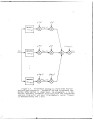
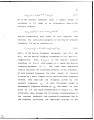
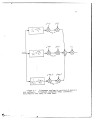
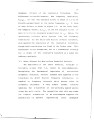
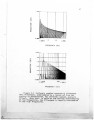
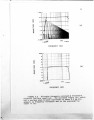
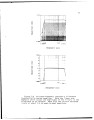
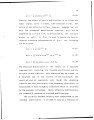
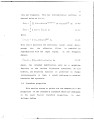
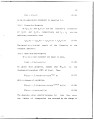
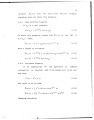
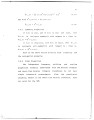
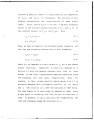
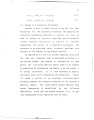
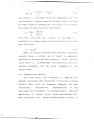
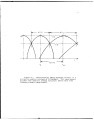
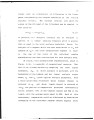
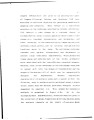
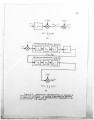
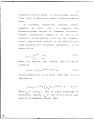
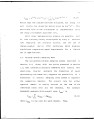
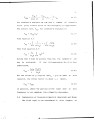
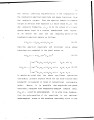
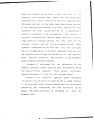
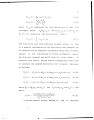
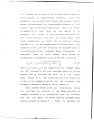
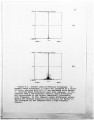
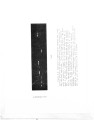
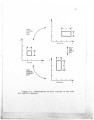
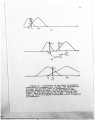
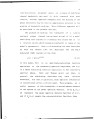
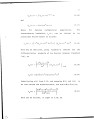
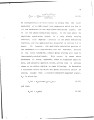
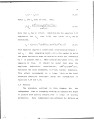
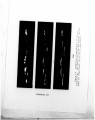
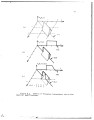
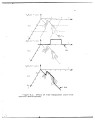
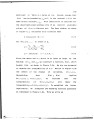
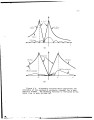
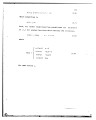
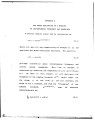
Show 100 mentioned in Table A.1 decay as 1/x. Second, assume that H(x) can be bounded by 0 2 1x+l1 in the interval (-2,0) for some finite constant, a . This restriction is realized for the above-mentioned windows only if we restrict available values of Q to a discrete set. The Hann window, as shown in Figure C.1, satisfies this criterion when f h(t)sin(t) dt = 0 (C.3) for n=2,3,4,.... In terms of Q, a . k n B . Q = = (C.4) a3 F.(wk) 453 Q = .6953114n n = 2,3,4,... (C.5) Given the above and a a which is at least as large as the maximum of a and 02' we construct a function, B(x), which bounds H(x) as shown in Figure C.2a. We are now prepared to examine the integrability of C.l. Notice in Figure C.2b the effect of the change of variables, X=(v-w)/w. Recognizing that B(x) > H(x) implies B((v-w)/w) > H((v-w)/w), we conclude that the integrability of B((v-w)/w)/IwI will imply the integrability of H((v-w)/w)/Iwi. To establish the latter implication, we integrate the bounding function piecewise as indicated in Figure C.2b. This we write as |