| OCR Text |
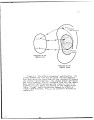
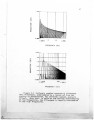
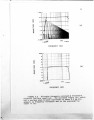
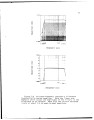
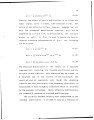
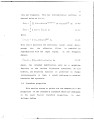
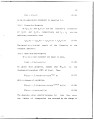
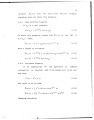
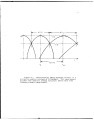
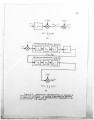
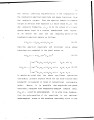
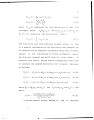
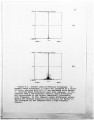
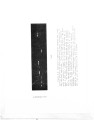
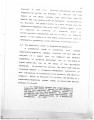
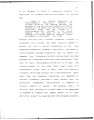
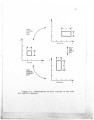
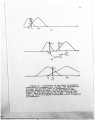
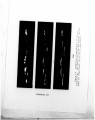
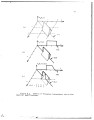
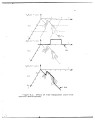
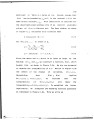
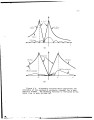
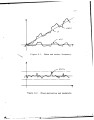
Show the FBS synthesis had been similarly truncated (Figure B. ib). The other method of synthesis, the CLA synthesis of B.3, is achieved by integrating (or projecting) F'(t,r) along the T axis. This corresponds to g(t)=l in 8.15. Note here that changes to the short-time spectrum are limited in their time resolution by the shape of the analysis window. For instance, an attempt to time-limit the spectrum as above would give the result shown in Figure B. lc. In generalized synthesis, we pick g(t) somewhere between the extremes of 6(t) and 1. The result of the convolution of B.15 then causes effective changes along the time (T) axis of the short-time spectrum to be resolution-limited by the synthesis window, g(t). Suppose now that the spectral modifications for the extreme cases above occurred, not as a function of time (along the z axis) , but in frequency (along the transformed t axis). In this case, we might expect the modified Ft(t,T) to appear as in Figure B.2a. Evaluating along the diagonal, as in FBS synthesis, the edges of our synthesized pulse cannot "ring" beyond the interval, (1/2,3/2) allowed by the analysis window (see Figure B.2b). Hence the attempted modification is time-limited to the dimension of the analysis window. However, if we evaluate by integration along T , as shown in Figure B.2c, no time-limiting occurs, and the _I - - |