| OCR Text |
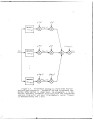
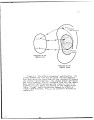
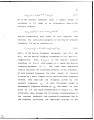
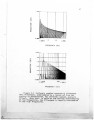
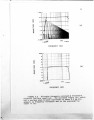
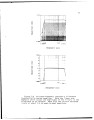
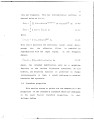
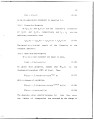
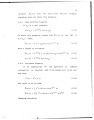
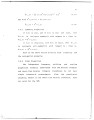
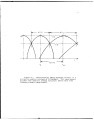
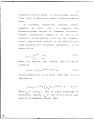
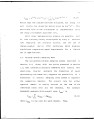
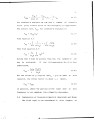
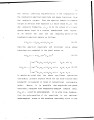
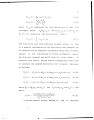
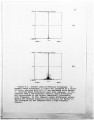
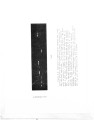
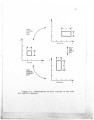
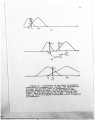
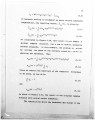
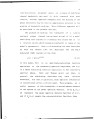
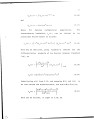
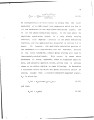
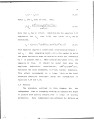
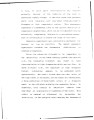
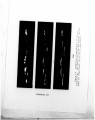
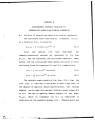
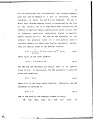
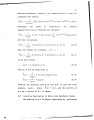
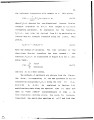
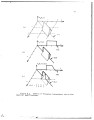
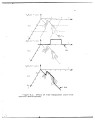
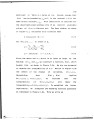
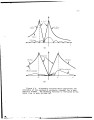
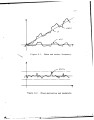
Show 94 the indicated integration with respect to w. This gives, 1 f(t) = _ f Ft(t,T)g(t-T) dT (B.15) <g,h> whereFt(t,x) denotes the one-dimensional inverse Fourier integral transform of F(w,T) with respect to its first (frequency) parameter. An expression for the function, Ft(t,T), may also be derived from B.1 by performing an inverse Fourier integral transform along the w-axis. This yields, F t(t-T) = f(t)h(t-T) (B.16) Note the change of variables. The time variable of the short-time Fourier transform has been renamed 'E The function, Ft(t,T) is illustrated in Figure B.)a for a unit pulse input, S1 l<t<2 f(t) = (B. 17) otherwise and h(t) is is a Hann window. Two methods of synthesis are obvious from the figure. The first, corresponding to the FBS synthesis of B.2 is achieved by evaluating Ft(t,T) along the line t=r (i.e. g(t)=6 (t) in B.15.) As explained in Section 2.4, modifications made along the spectral time (T) axis are seen to "take effect" instantaneously in time -- no time-resolution limiting occurs. One could, for instance, time-limit the short-time spectrum at T=/7 and find that |