| Title |
Max B. Gordon, Spanish Fork, Utah: an interview by Benjamin Bahlmann, March 15, 2002: Saving the Legacy tape nos. 508 and 509 |
| Alternative Title |
Max B. Gordon, Saving the legacy: an oral history of Utah's World War II veterans, ACCN 2070, American West Center, University of Utah |
| Creator |
Gordon, Max B., 1919-2014 |
| Contributor |
University of Utah. American West Center; Bahlmann, Benjamin J. |
| Publisher |
Digitized by J. Willard Marriott Library, University of Utah |
| Date |
2002-03-15 |
| Date Digital |
2015-12-16 |
| Access Rights |
I acknowledge and agree that all information I obtain as a result of accessing any oral history provided by the University of Utah's Marriott Library shall be used only for historical or scholarly or academic research purposes, and not for commercial purposes. I understand that any other use of the materials is not authorized by the University of Utah and may exceed the scope of permission granted to the University of Utah by the interviewer or interviewee. I may request permission for other uses, in writing to Special Collections at the Marriott Library, which the University of Utah may choose grant, in its sole discretion. I agree to defend, indemnify and hold the University of Utah and its Marriott Library harmless for and against any actions or claims that relate to my improper use of materials provided by the University of Utah. |
| Spatial Coverage |
Hawaii; Philippines; Okinawa, Japan; Korea |
| Subject |
Gordon, Max B., 1919-2014--Interviews; Veterans--Utah--Biography; World War, 1939-1945--Personal narratives, American; World War, 1939-1945--Military operations, American; World War, 1939-1945--Campaigns--Pacific Area--Personal narratives, American; World War, 1939-1945--Campaigns--Japan--Okinawa Island--Personal narratives, American |
| Keywords |
Geneva Steel |
| Description |
Transcript (68 pages) of an interview by Benjamin Bahlmann with Max B. Gordon on March 15, 2002. From tape numbers 508 and 509 in the "Saving the Legacy" Oral History Project |
| Collection Number and Name |
Accn2070, Saving the Legacy oral history project, 2001-2010 |
| Abstract |
Gordon (b. 1919) describes his life in Utah prior to being drafted in August 1944. He served on Okinawa briefly before being wounded and evacuated. Shortly after he returned to his unit the war ended. Interviewed by Benjamin Bahlmann. 68 pages. |
| Type |
Text |
| Genre |
oral histories (literary works) |
| Format |
application/pdf |
| Extent |
68 pages |
| Language |
eng |
| Rights |
 |
| Scanning Technician |
Mazi Rakhsha |
| Conversion Specifications |
Original scanned with Kirtas 2400 and saved as 400 ppi uncompressed TIFF. PDF generated by Adobe Acrobat Pro X for CONTENTdm display |
| ARK |
ark:/87278/s6x08930 |
| Topic |
Personal narratives--American; Veterans; World War (1939-1945) |
| Setname |
uum_slohp |
| ID |
1032224 |
| Reference URL |
https://collections.lib.utah.edu/ark:/87278/s6x08930 |
| Title |
Page 39 |
| Format |
application/pdf |
| Setname |
uum_slohp |
| ID |
1032193 |
| OCR Text |
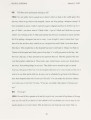
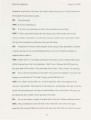
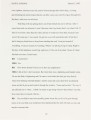
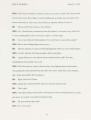
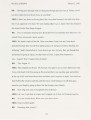
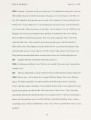
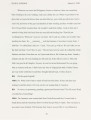
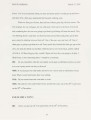
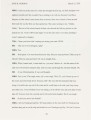
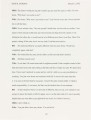
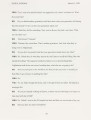
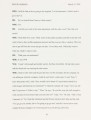
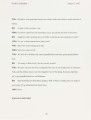
Show MAX B. GORDON March 15 2 2 BB: Going back to people you said were hungry and having the hard r kind of individuals who kind of gave something, but were also mistreating at the same time do you remember thinking anything about that? Were you surprised? MBG: I was surprised. I couldn't believe people would be that mean. But they were hardened soldiers. They'd been through it. I guess they hated people. The Filipinos to them was like the Japanese, but the Filipinos, they weren't fighting us, let's put it that way. But they were mean to them. BB: Did that concern you? MBG: It did, that people would be that way. But that's what we were trained for at Camp Hood, Texas. BB: Not going to train you to feel, hopefully. MBG: You went there to be mean. BB: Right. To dispatch the enemy. Was the environment interesting to be in the Philippines? Coming from Utah, even Texas, to suddenly more tropical-type zones? MBG: It was different. It was all different. The waste that went on there. The military wastes. You couldn't get me to go out in that ocean to swim for anything in the world because I seen stuff that was in that water. BB: Like what? MBG: Well, there was one ship that had a lot of meat spoiled, and they just dumped it overboard. It was floating in there right up on the beach. This sort of stuff, it was dirty. BB: Coming from the Depression, having to work for your family back home at the end of the Depression, and then going into that type of situation, did that upset you to see that kind of waste? 38 |
| Reference URL |
https://collections.lib.utah.edu/ark:/87278/s6x08930/1032193 |