| Title |
Max B. Gordon, Spanish Fork, Utah: an interview by Benjamin Bahlmann, March 15, 2002: Saving the Legacy tape nos. 508 and 509 |
| Alternative Title |
Max B. Gordon, Saving the legacy: an oral history of Utah's World War II veterans, ACCN 2070, American West Center, University of Utah |
| Creator |
Gordon, Max B., 1919-2014 |
| Contributor |
University of Utah. American West Center; Bahlmann, Benjamin J. |
| Publisher |
Digitized by J. Willard Marriott Library, University of Utah |
| Date |
2002-03-15 |
| Date Digital |
2015-12-16 |
| Access Rights |
I acknowledge and agree that all information I obtain as a result of accessing any oral history provided by the University of Utah's Marriott Library shall be used only for historical or scholarly or academic research purposes, and not for commercial purposes. I understand that any other use of the materials is not authorized by the University of Utah and may exceed the scope of permission granted to the University of Utah by the interviewer or interviewee. I may request permission for other uses, in writing to Special Collections at the Marriott Library, which the University of Utah may choose grant, in its sole discretion. I agree to defend, indemnify and hold the University of Utah and its Marriott Library harmless for and against any actions or claims that relate to my improper use of materials provided by the University of Utah. |
| Spatial Coverage |
Hawaii; Philippines; Okinawa, Japan; Korea |
| Subject |
Gordon, Max B., 1919-2014--Interviews; Veterans--Utah--Biography; World War, 1939-1945--Personal narratives, American; World War, 1939-1945--Military operations, American; World War, 1939-1945--Campaigns--Pacific Area--Personal narratives, American; World War, 1939-1945--Campaigns--Japan--Okinawa Island--Personal narratives, American |
| Keywords |
Geneva Steel |
| Description |
Transcript (68 pages) of an interview by Benjamin Bahlmann with Max B. Gordon on March 15, 2002. From tape numbers 508 and 509 in the "Saving the Legacy" Oral History Project |
| Collection Number and Name |
Accn2070, Saving the Legacy oral history project, 2001-2010 |
| Abstract |
Gordon (b. 1919) describes his life in Utah prior to being drafted in August 1944. He served on Okinawa briefly before being wounded and evacuated. Shortly after he returned to his unit the war ended. Interviewed by Benjamin Bahlmann. 68 pages. |
| Type |
Text |
| Genre |
oral histories (literary works) |
| Format |
application/pdf |
| Extent |
68 pages |
| Language |
eng |
| Rights |
 |
| Scanning Technician |
Mazi Rakhsha |
| Conversion Specifications |
Original scanned with Kirtas 2400 and saved as 400 ppi uncompressed TIFF. PDF generated by Adobe Acrobat Pro X for CONTENTdm display |
| ARK |
ark:/87278/s6x08930 |
| Topic |
Personal narratives--American; Veterans; World War (1939-1945) |
| Setname |
uum_slohp |
| ID |
1032224 |
| Reference URL |
https://collections.lib.utah.edu/ark:/87278/s6x08930 |
| Title |
Page 15 |
| Format |
application/pdf |
| Setname |
uum_slohp |
| ID |
1032169 |
| OCR Text |
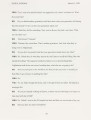
Show M B.GORDON March 15 2 02 BB: So you were working there purely out of. .. MBG: Necessity. BB: Okay. You did work with others who did like mining I assume? MBG: Oh, I'll say. BB: It's in people's blood sometimes, isn't it? MBG: I had three brothers that worked in the mines and they loved it. Then I had two brothers-in-law and that's when my sisters came and said, told her, she says, "I wouldn't let him quit." BB: They were discussing this? MBG: Yes. My sisters, they wanted me to stay. I didn't want to stay. My younger brother was working with me, working there, too, and after they said that and there was an accident and he was kind of involved in it, we just come down, got a trailer, loaded all of our stuff in it and come home. It was kind of rough for a while. BB: So Geneva started up there. MBG: Yes. It was '41. I started in, let's see, I think I went to work down in Geneva, helped them build it. BB: When they first started building it. MBG: I worked at Ironton for just a short time and got acquainted with the machines that you coke. And then I went to work out to Geneva and helped build it, dug trenches, we dug a lot of trenches with a trench digger. Then I unloaded brick. We worked around the clock most of the time, twelve, sixteen hours a day. BB: In between this, you said the war actually started. Do you remember Pearl Harbor? Do you remember that day? 14 |
| Reference URL |
https://collections.lib.utah.edu/ark:/87278/s6x08930/1032169 |